 Μake us preferred on Google
 MEPs have called for a more balanced approach to tourism across the European Union, backing a set of proposals designed to reduce pressure on overcrowded destinations and promote travel to lesser-known and emerging regions, according to a parliamentary vote on Tuesday.
The resolution, adopted with 439 votes in favor, 42 against and 129 abstentions, urges the European Commission to develop a sustainable EU tourism strategy focused on improving transport links, strengthening cultural preservation, and supporting local economic development.
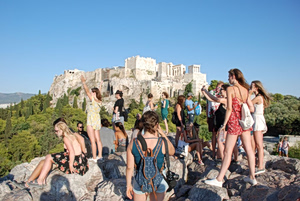
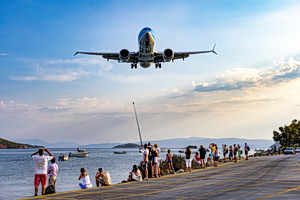
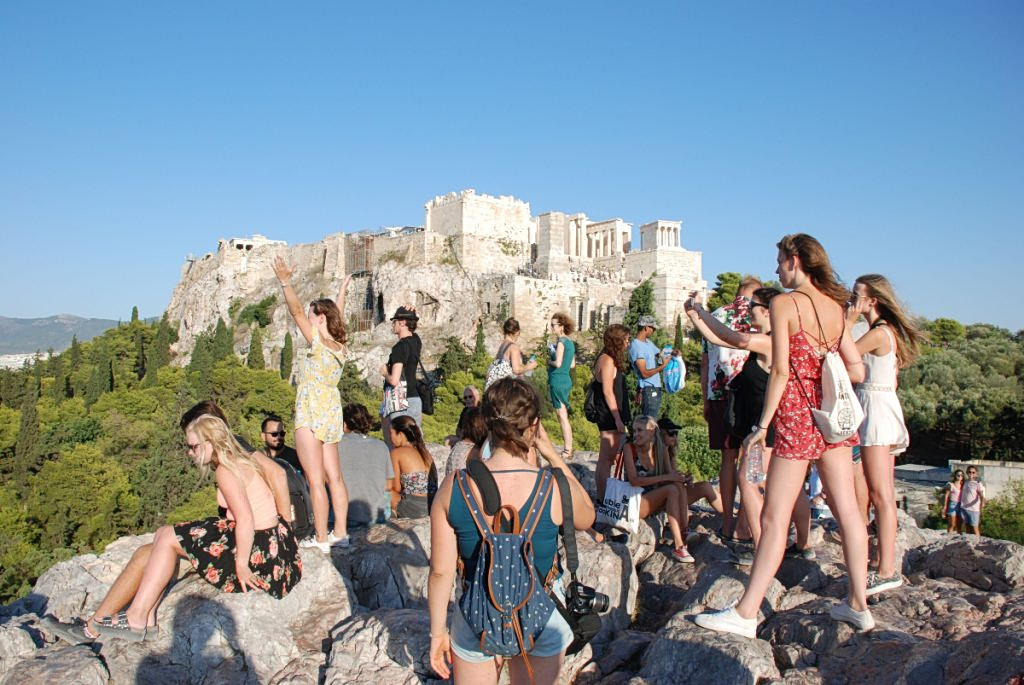
Lawmakers warned that around 80% of global travelers currently visit just 10% of destinations, contributing to over tourism in popular hotspots while leaving other regions under-visited. They suggest redirecting visitors towards rural areas, mountain regions and remote destinations, including through experiences linked to gastronomy, wine, heritage, cycling and regenerative tourism.
MEPs also called for improved transport infrastructure to support this shift, including stronger air, sea and land connections to emerging destinations. They specifically recommended targeted support for electric vehicle leasing and charging infrastructure, expansion of cross-border night trains, and the development of a seamless integrated ticketing system covering rail, air and maritime travel.
The resolution also highlights concerns over funding, noting that Europe’s long-term budget framework does not include a dedicated program or standalone budget line for tourism. Lawmakers argue that clear financial mechanisms are necessary if the EU is to maintain its position as the world’s leading tourism destination.
On short-term rentals, MEPs said recent EU rules are a step forward but warned that further action is needed to prevent unregulated growth from harming local communities. They pointed to risks including rising housing pressures, loss of local character, and displacement of residents.
They are calling for a new EU framework to set standards for short-term rental services, clarify host categories, and allow member states to limit visitor nights or introduce zoning and authorization systems where needed.
To address labor shortages in the sector, MEPs also proposed introducing a tourism skills card to record qualifications, training and experience, aiming to improve mobility and working conditions across the industry.
The resolution further highlights the role of cultural workers and volunteers in preserving Europe’s heritage, urging the Commission to develop guidelines to support and expand cultural volunteering.
European Parliament rapporteur Daniel Attard said the vote marks a step toward Europe’s first sustainable tourism strategy, adding that it aims to distribute tourism more evenly, improve connectivity, strengthen environmental protection, and ensure fair rules for short-term rentals.
The EU remains the world’s leading tourism destination, supporting around 12.3 million jobs and contributing 10.5% to the bloc’s GDP.