2026 finds the world particularly unstable and uncertain, almost undergoing a reshaping. Donald Trump’s policies shook previous geopolitical constants, called traditional relations and alliances into question, and changed global trade conditions, directly challenging the U.S.-inspired globalization of open and free markets.
The turn toward protectionism and transactional power management multiplied geopolitical and economic uncertainties, intensified tensions, and created new sources of disruption worldwide.
The War Fronts
The war zones in Ukraine and the Middle East remain active. Peace in Gaza is precarious, Iran faces social unrest and tension, Netanyahu highlights plans for potential new airstrikes if Tehran’s nuclear program is confirmed to be revived, Saudi Arabia is bombing Yemen’s military bases, and Africa sees increasing hotspots of tension and conflict.
Additionally, a new potential conflict front is emerging in the Chinese Sea following the new Japanese government’s statements on defending Taiwan’s independence—a region Beijing considers an inseparable part of its territory and promises to eventually integrate into China.
Recently, Taipei’s decision to acquire new U.S. weapons worth $11 billion prompted Chinese naval blockade exercises with live fire near Taiwan. Chinese officials continue to call on Tokyo to renounce its militaristic plans and accept the One-China principle.
Meanwhile, the United States threatens Venezuela’s Maduro regime over control of the country’s energy resources and also renews claims regarding Greenland and Arctic shipping routes.
The U.S. aggressive policy does not leave authoritarian revisionist leaders around the world indifferent, particularly Recep Tayyip Erdogan, who repeatedly brings imperial ambitions for the broader Southeast Mediterranean, including the Aegean, into focus.
Threats to Europe
At the same time, Europe—shaped by the Ukrainian experience and under the historical sensitivity of nations previously under Soviet control—is emphasizing the Russian threat. Combined with the U.S. retreat from postwar Atlantic commitments, Europe is rearming aggressively to counter Vladimir Putin’s perceived expansionist plans.
Meanwhile, the once-prosperous Old Continent faces a prolonged energy crisis, stagnating growth, loss of competitive advantage, technological pressure from the U.S. and China, an aging population, and political crises, alongside challenges to traditional powers from emerging nationalist and anti-system populist movements.
In France, Marine Le Pen openly seeks power. In the U.K., Brexit advocate and Trump ally Nigel Farage competes for influence. In Germany, the postwar political order faces challenges from Alice Elisabeth Weidel of the nationalist AfD, with six federal state elections scheduled in 2026. In two former East German states, Weidel’s party polls above 40%, directly challenging the traditional dominance of the Christian Democrats.
Government Moves
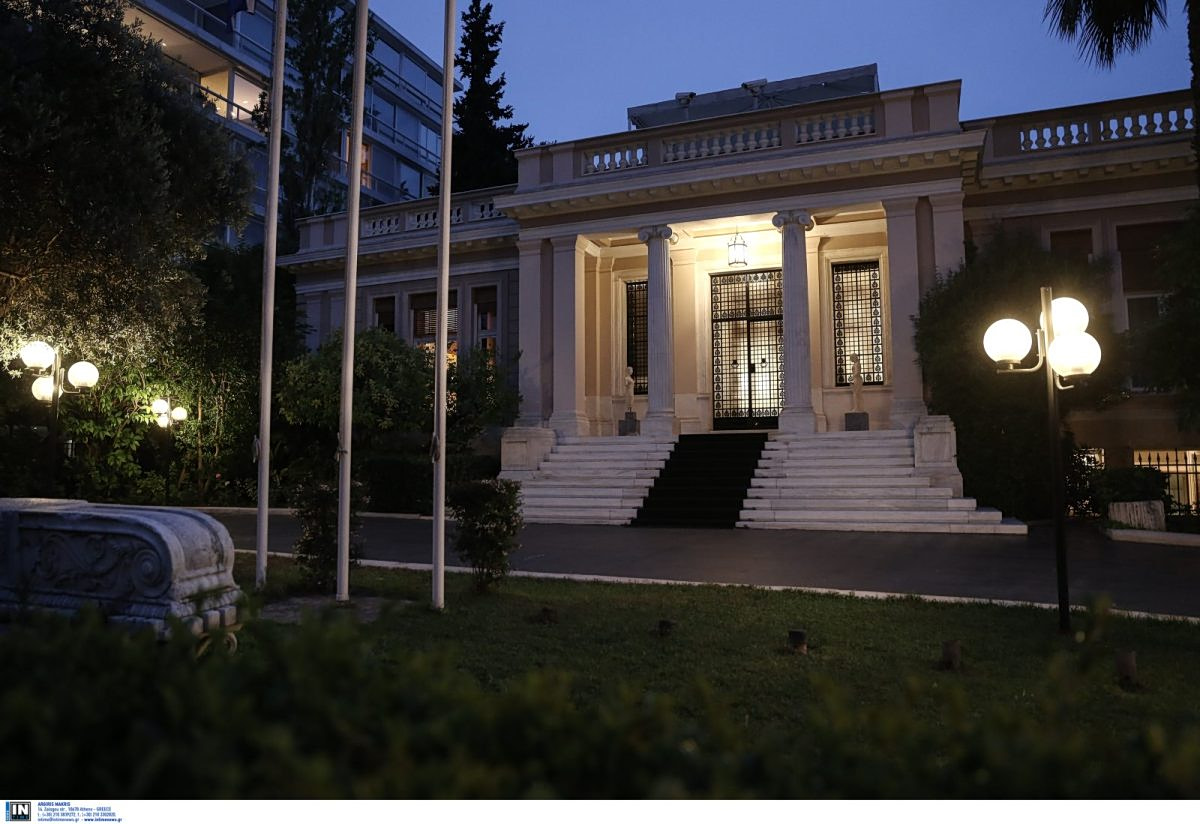
In this particularly unstable international geopolitical, economic, and political environment, the struggling Greek political system will be tested. Already facing waves of skepticism and trust deficits, 2026 is described by the government as a fully pre-election year, with many outcomes expected to be shaped by international instability and surrounding risks.
The Mitsotakis government, worn down by time and questioned for one-sidedness and underperformance in economic policy, is currently sustained by the fragmented opposition and its inability to present a credible alternative. However, it faces waves of post-political movements emerging in the Greek political landscape. Figures and forces are preparing to claim central roles in the opposition and challenge Mitsotakis’ remaining polling lead.
Government circles acknowledge wear and assess the opposition’s multiple forces. They believe the right-wing populist opposition penetrates the New Democracy voter base but lacks the credibility and prestige to seriously damage it.
They also consider that center-left PASOK lacks the strength to make a breakthrough and that existing leftist formations cannot persuade broad social segments. They are concerned about Alexis Tsipras’ initiative to create a new movement, but based on polling data, they assess it cannot pose a real threat at this stage. Tsipras’ effort, according to their estimates, falters—it does not generate significant momentum nor attract influential figures. Similarly, they doubt a potential move by Antonis Samaras would succeed.
Conversely, they believe that a potential new party by Maria Karystianou could perform better than the previous two initiatives. Yet even in this case, they maintain it would not create conditions to overturn existing political balances.
Even opposition forces within New Democracy assess that the party, despite current wear, remains strong and is expected to achieve around 30% in the first election.
It hopes that in a second election, arguing stability, it could secure a result sufficient to provide, with support from smaller right-wing groups, a third government term.
Stability as the Core Argument
Therefore, Mitsotakis will insist on the stability line, highlighting the risks of coinciding international and domestic instability. In this context, at the end of March, he is expected to announce Giannis Stournaras’ continuation as Governor of the Bank of Greece for a third six-year term.
This move is symbolic, precisely serving the argument of stability. In any case, the government will play the stability card in 2026, calculating and estimating that the majority of citizens are not willing to risk—or worse, lose again—the few gains they have achieved through so much effort and sacrifice. The only remaining question is whether waves of wear and skepticism will avoid taking catastrophic proportions.