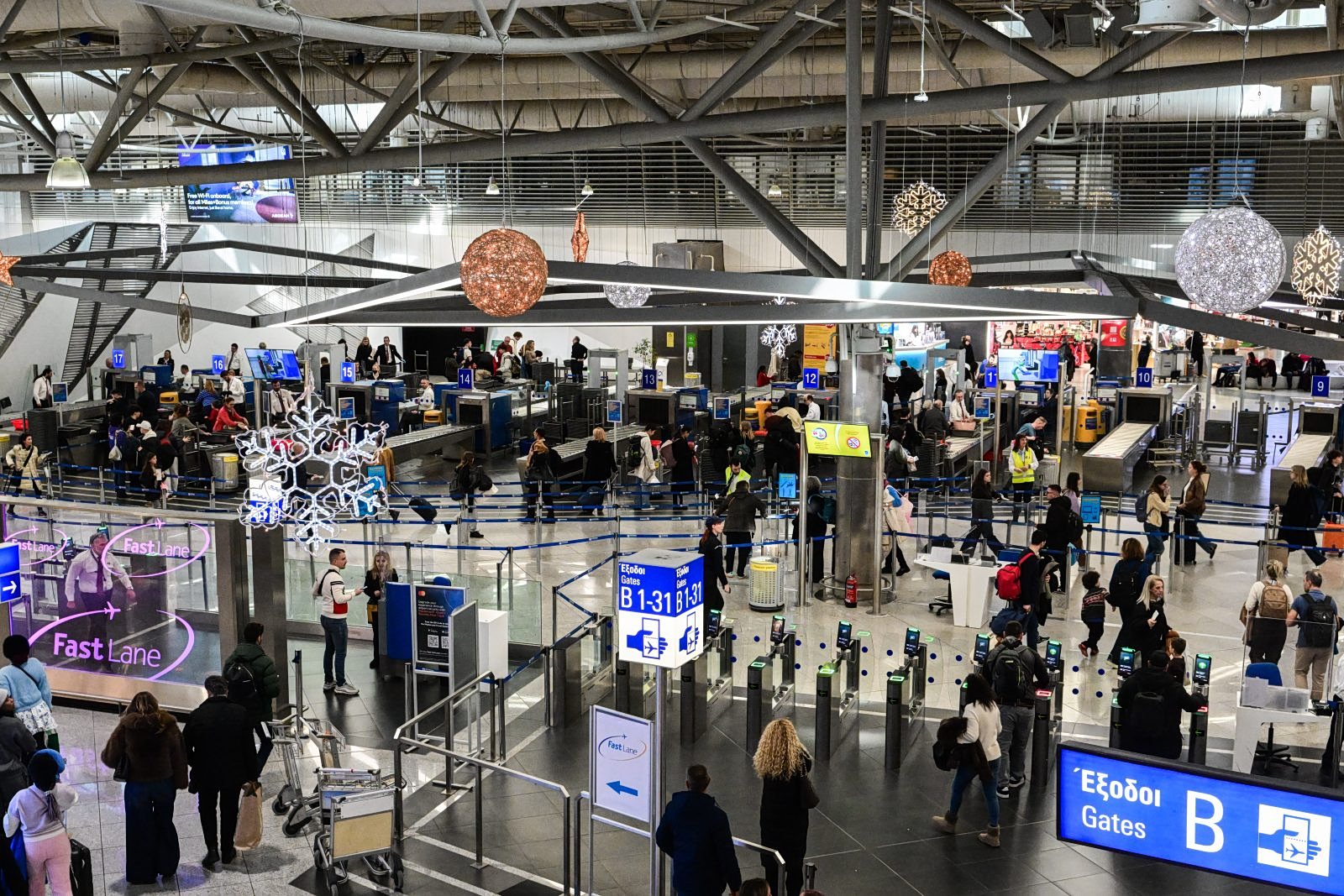
A major disruption to air traffic across Greece has raised serious questions about aviation safety and the reliability of telecommunications infrastructure, after a prolonged blackout affected the Athens Flight Information Region (FIR), causing widespread delays and disruption at airports nationwide.
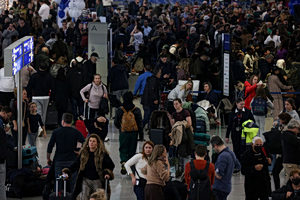
Shortly after 9:00 a.m., communication between air traffic controllers and pilots via radio frequencies was lost, forcing authorities to impose a “zero rate” on flights for safety reasons. This measure, which drastically limits air traffic, remained in place for more than five hours—an unprecedented duration by Greek standards, according to aviation experts. Thousands of passengers were affected as flights were delayed or cancelled.
Retired Air Force Lieutenant General Konstantinos Iatridis described the incident as a phenomenon that covered the entire FIR for an extended period. Speaking on Greek television, he said that early assessments pointed to possible external interference, noting that a strong “buzzing” sound was recorded across frequencies rather than simple static. The intensity of the disturbance led to the deployment of a special aircraft tasked with identifying the source of the interference.
The official explanation later shifted, with authorities attributing the disruption to technical malfunctions in national telecommunications infrastructure. This raised further concerns about whether adequate backup systems were available and why they were not activated sooner. According to Iatridis, a failure of both primary and reserve systems would indicate deeper issues, including outdated equipment and insufficient modernization.
During the initial phase, intelligence and cybersecurity authorities were also alerted, as the possibility of deliberate external interference was seriously examined. The question of how an entire FIR could be effectively “blinded” remains unresolved.
Meanwhile, Konstantinos Kanderakis, head of the Air Traffic Safety Electronics Engineers’ association, ruled out a fault in a single antenna. He argued that the problem stemmed from an overloaded electromagnetic environment, with excessive noise caused by multiple transmitters and frequencies operating simultaneously. While acknowledging that the systems in use are old, he maintained that they withstood the strain and that the cause was external rather than a direct equipment failure.