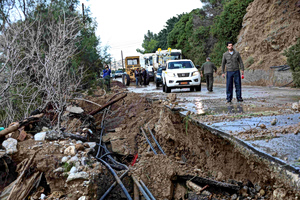
Water scarcity is hitting yet another Greek island. This time it’s the “green butterfly of the Aegean”, Astypalaia, which was officially declared a water emergency zone on Monday by the Ministry of Environment and Energy.
The decision was made with the agreement of RAAEY (the Regulatory Authority for Energy, Waste and Water) and the General Secretariat for the Aegean and Island Policy, and will remain in effect for three months in order to address the island’s immediate water supply needs.
But what does declaring a water emergency actually mean in practice, especially at the very start of the tourist season? First and foremost, it means that authorities formally acknowledge a serious and immediate risk to water sufficiency and the area’s day-to-day functioning. That said, it does not mean “the water has run out”, rather, that reserves or infrastructure have reached a critical point and urgent measures are needed to prevent outages or serious consequences. Emergencies of this kind typically allow for immediate interventions without the usual time-consuming bureaucratic procedures.
In a statement issued by the local municipal authority, residents were reassured that current water reserves are sufficient to cover the needs of both permanent residents and visitors. “There is no cause for concern. Water supply is continuing normally and is being constantly monitored by the relevant services.” The announcement also urged residents to make “prudent use of water, so that we can ensure smooth daily life and the sustainability of our resources.”
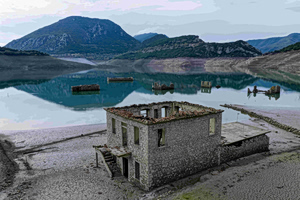
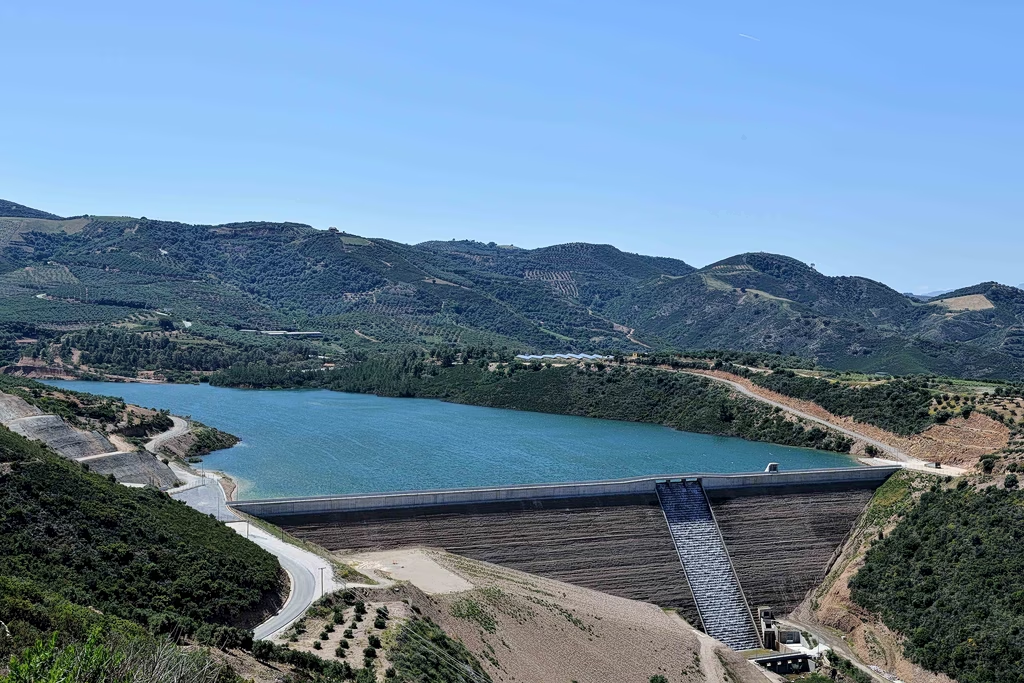
As Mayor Nikos Komineas told Ta Nea, he had already requested that Astypalaia be included in the emergency framework back in early February, when other areas were also placed under such status. “The reservoir level has been steadily dropping. What we requested then, and can now actually implement, is an immediate acceleration of the procedures for installing a desalination unit, which will substantially and long-term boost our island’s water supply — especially ahead of the summer season. Let’s not forget that the island’s population multiplies in the summer months: from 1,400 permanent residents, we reach up to 8,000,” Mayor Komineas stressed.
Patmos and Leros Also on the List
Astypalaia’s water is not the only one that has entered this emergency category. Last November, the Ministry officially declared Patmos and Leros water-shortage emergency zones, activating a special framework for immediate interventions. In the case of Patmos, the special status was subsequently extended by an additional three months.
Three months ago, the emergency declaration process for Symi was also completed, with the signing of the relevant ministerial order by Environment and Energy Minister Stavros Papastaurou.
As Symi’s mayor, Lefteris Papakalodukas, had explained, despite this past winter’s rainfall the island has no reservoir to retain the water. “Instead, we have desalination plants. We take seawater and turn it into drinking water. Whether it rains or not, we’ll get our water from the sea. The cost is enormous, but it’s also a matter of keeping the machinery running — the wear and tear is massive. We’ve had three desalination units since 2009. Symi receives 831,000 visitors a year. Those three machines produce 2,500 cubic meters per day.”
He also explained the specific reason why the island was placed under an emergency declaration: “Last year we replaced one unit, but this year we need to replace the other two as well. That is mainly why we entered a state of emergency. We need new machines with fewer problems, greater safety for the staff working at the desalination plants, and the capacity to supply enough water to host visitors — as well as to ensure that those of us who live here have access to drinking water.”