
 Μake us preferred on Google
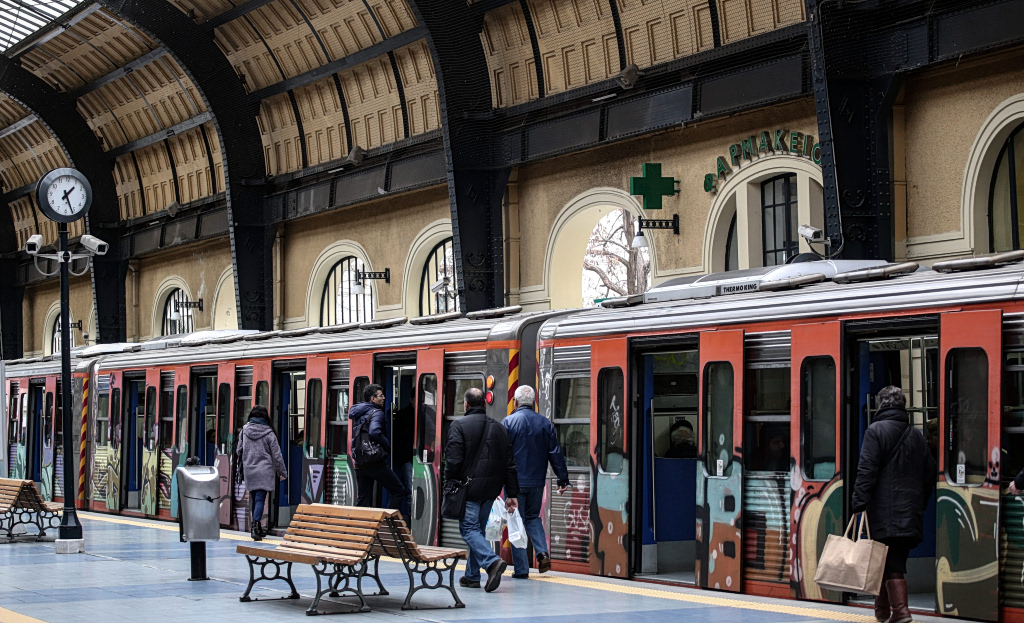
 Athens’ metro network is set for a significant modernization project worth €149.5 million, focusing on upgrading trains serving lines 2 and 3 with new air conditioning systems and improved energy efficiency features.
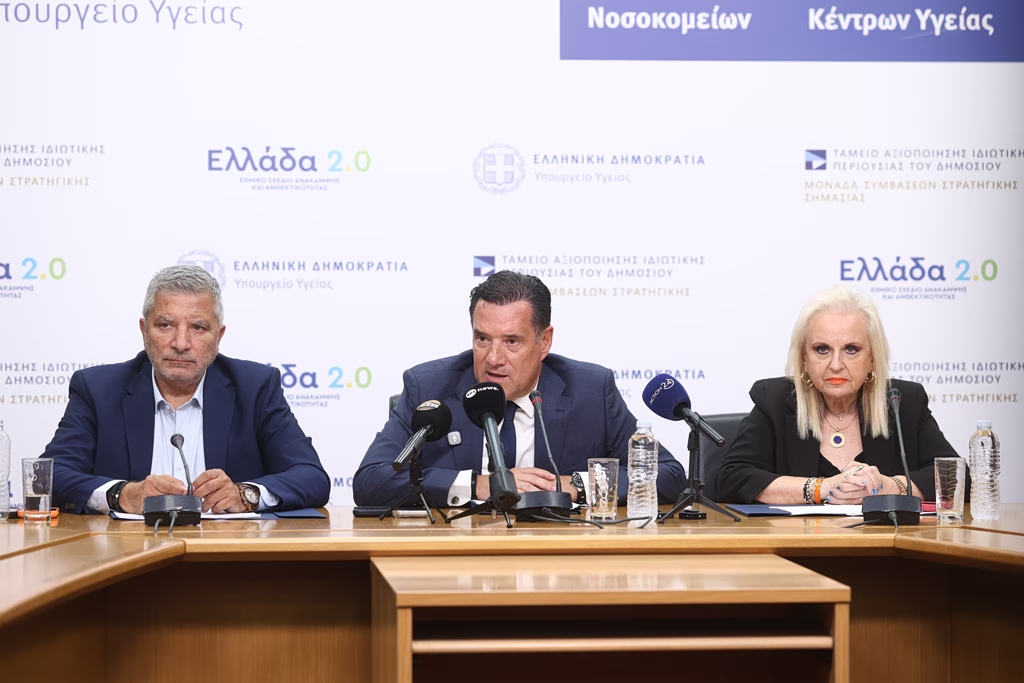
The investment, announced by Greece’s Ministry of National Economy and Finance and the Ministry of Infrastructure and Transport, is part of the EU-funded 2021–2027 Transport Program. The initiative aims to enhance urban mobility while reducing the environmental footprint of public transport in the Greek capital.
According to the official decision, the project has been included in the national operational program for transport infrastructure, with funding support from the EU Cohesion Fund.
What the Athens Metro upgrade includes
The project will be implemented by STASY S.A., the company responsible for Athens’ fixed-track transport network. The total public budget amounts to €149,515,883.55, with more than €120 million co-financed by the EU Cohesion Fund.
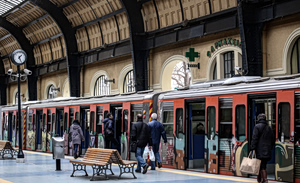
The plan includes the refurbishment of 12 first-generation train sets, which entered service in 2000 and currently operate on lines 2 and 3 of the Athens Metro system. A key component of the upgrade is the installation of modern air conditioning units across these trains.
In addition, the project involves the renovation of four traction substations on line 2 and the installation of energy recovery systems designed to improve overall efficiency.
Improving comfort and sustainability
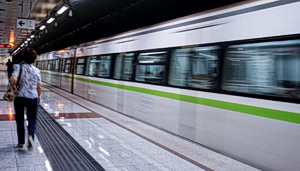
The modernization effort aims to significantly upgrade the passenger experience on one of Athens’ busiest transport networks. By introducing air-conditioned trains and improving energy systems, authorities expect to make metro travel more comfortable, especially during the city’s hot summer months.
Officials also say the investment will encourage more residents to use public transport instead of private vehicles, contributing to reduced traffic congestion and lower emissions.