 Μake us preferred on Google
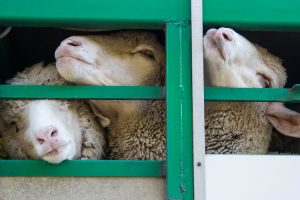
 Authorities in northwestern Greece have confirmed a case of bluetongue virus (BTV) in a sheep and goat farm in the Ioannina region, prompting veterinary officials to issue a public health alert for livestock owners in the area.
The outbreak was confirmed through laboratory testing and announced by the Veterinary Department of the Epirus Region.
What Is Bluetongue Disease?
Bluetongue is a viral disease that primarily affects ruminants, such as sheep and cattle. It is transmitted by biting midges of the Culicoides species. While not transmissible to humans, it poses a significant threat to livestock due to high mortality rates, reproductive issues, and a substantial drop in productivity.
Recognizing the Symptoms
In sheep, symptoms may include:
- Fever
- Mouth and nasal ulcers
- Lameness
- Breeding complications
- In severe cases, death
In cattle, signs of infection may include:
- Fever
- Excessive salivation
- Oral ulcers
- Lameness
- Reduced milk production in some cases
Guidance for Livestock Owners
In light of the confirmed case, veterinary services stress the importance of prevention and early detection to curb the spread of the disease. Farmers are strongly encouraged to take the following actions:
- Immediate Reporting: Inform local veterinary authorities of any suspected cases showing symptoms such as fever, drooling, facial swelling, breathing difficulties, or lameness.
- Limit Animal Movement: Restrict the transportation of animals to and from affected farms to avoid further spread.
- Insect Control Measures: Implement strict biosecurity and insect-repellent protocols, including:
- Regular cleaning of stables
- Use of approved insecticides and repellents
- Installation of protective screens
- Proper disinfection practices
- Adherence to official guidelines for treatment and waiting periods
- Veterinary Clearance for Trade or Movement: Farmers must contact veterinary services before any sale or transfer of animals.
Authorities emphasize that the detection of the disease in a herd does not require mass culling. However, timely and transparent reporting is essential for epidemiological tracking and ensuring public animal health.
The veterinary department continues to monitor the situation closely and urges all livestock farmers in the region to remain vigilant.