 Μake us preferred on Google
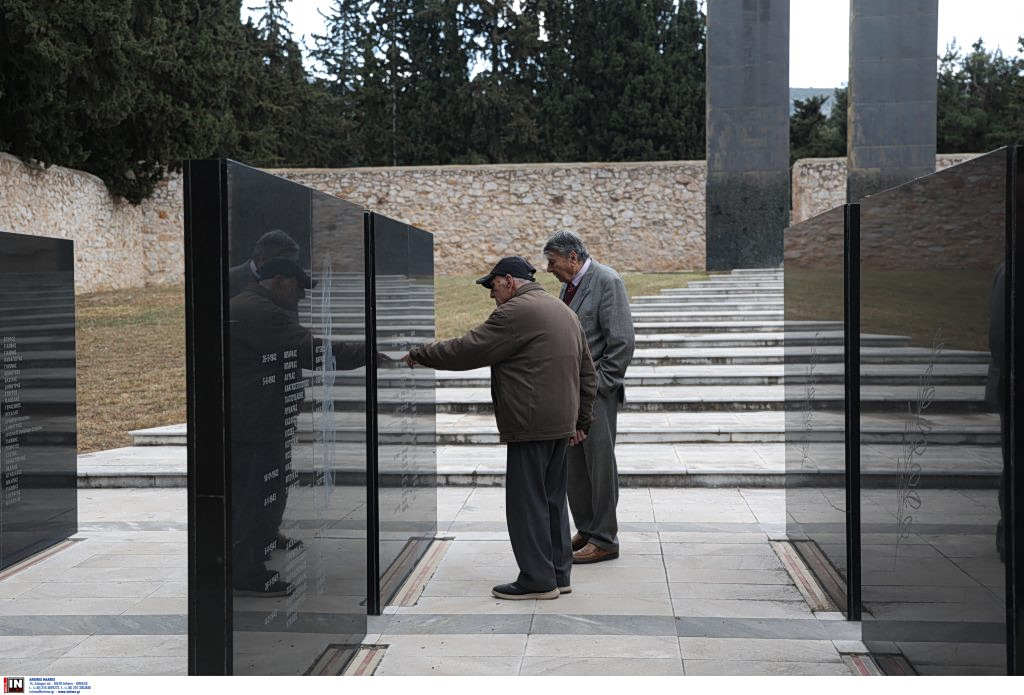
 A relative of one of the 200 men executed during by the occupying Germans on May 1, 1944, at the Kaisariani shooting range in east Athens, this week said he recognized his grandfather in the haunting photographs posted in an online auction.
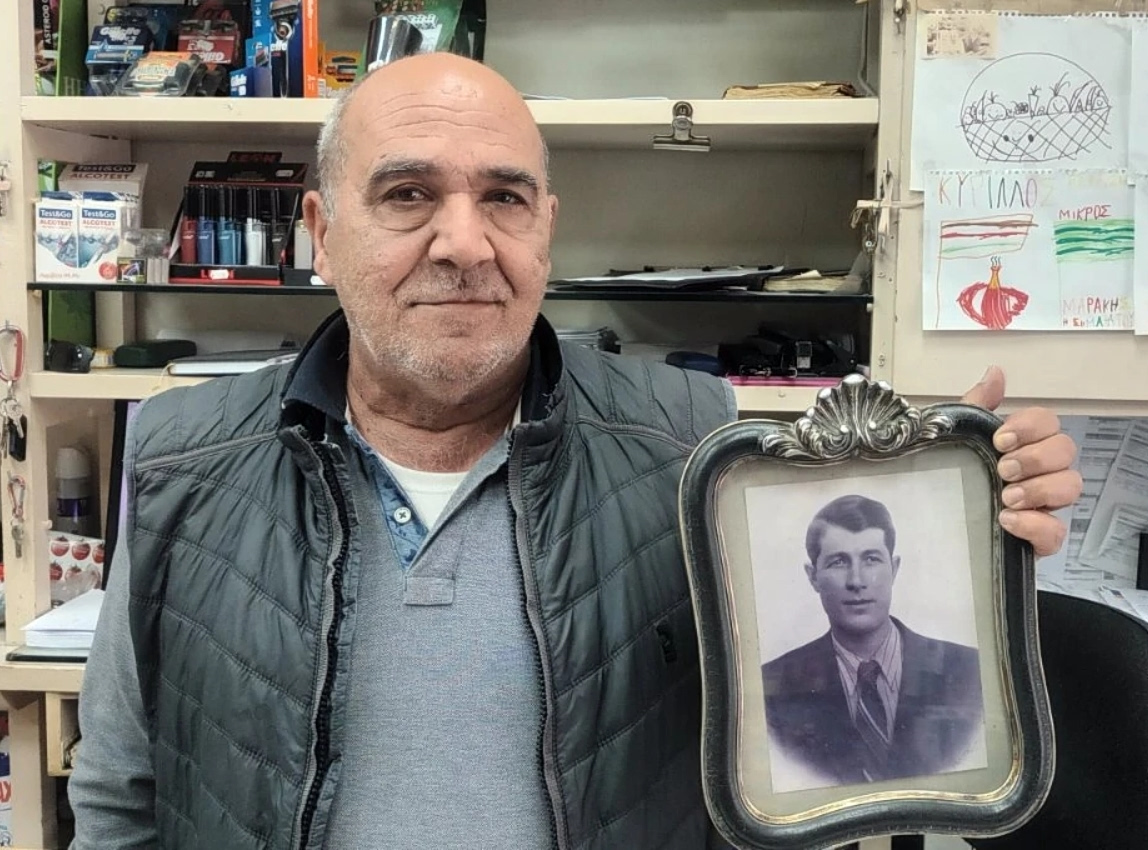
Thrasyvoulos Marakis from Platanias, Crete, the grandson of Thrasyvoulos Kalafatakis, said his grandfather is shown in some of the recently published photographs.
The pictures first appeared up for auction on the eBay platform by a Belgian collector.
What followed what an avalanche of media and social media attention in Greece and consternation over the fact that the up-until-then unknown images of a notorious wartime crime in Greece were on sale.
Reactions followed by the country’s political leadership, with the culture ministry saying it was dispatching experts to Belgium to verify the authenticity of the photographs and how they came into the possession of the Belgian military collector.
eBay quickly pulled the listing from its platform.
“It’s very emotional. I knew he had been executed, but I didn’t know about the photograph — I had no archive. I have nothing, and now I’ll wait for them to send it to me,” Marakis told the local website neakriti.gr.
Asked specifically about his grandfather, he said: “From what I know from my mother, he was tall, strongly built and unafraid. Nothing could stop him. He refused to sign a declaration renouncing the communist party, and that’s why they took him to the prisons in Athens.”
Referring to how the family learned of the execution, he noted: “My mother didn’t know. Three days passed after the execution before they found out. They didn’t learn immediately, given the means of communication at the time… We went once or twice to the Kaisariani shooting range to visit, we left our flowers and left.”
Born in 1914 in Platanias, near the port city of Chania into a well-off family, Thrasyvoulos Kalafatakis raised crops and was a dairy farmer. He was arrested in 1939 for his political activity, sentenced to five years in prison and in 1943 was transferred to Haidari lockup in western Athens during the wartime occupation.