Greece’s annual commemoration of its 1940 resistance to Italy has evolved through political conflict, competing historical narratives and changing ideas of national identity. Historians Harris Athanasiades and Polymeris Voglis explain how the anniversary took shape—and which parts of the past were left out.
Greece’s economy was devastated during the 1941–1944 occupation, as soaring prices, a collapsing currency and the seizure of national resources left households struggling to survive. Gold sovereigns became a store of value, while an enforced loan to Germany and Italy added to the country’s financial burden
“We cannot change history, but we must examine it as objectively as possible,” said Katja Sporn, the DAI’s director in Athens
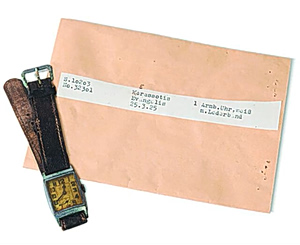
After 81 years, personal items taken from Greek prisoners in Nazi camps are being returned to their families, restoring memory and closing old wounds.
More than eight decades after the Distomo massacre, survivors’ families continue their fight for justice as Germany maintains that reparations claims are settled.
Archaeologists working on the ‘Greek Desk’ uncovered Nazi secrets, sabotaged enemy infrastructure and helped prepare for D-Day.
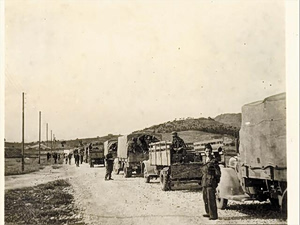
After the Kaisariani execution photos, more photographic evidence of WWII-era shooting on Crete, after May 1941 invasion
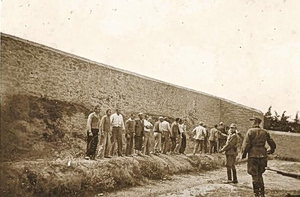
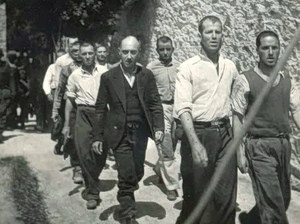
Belgian collector and dealer Tim De Craene issues statement after Greek state acquired 262 historic photographs showing scenes from the May 1, 1944, execution of 200 Greek prisoners by Nazi occupation forces in Greece
Greece's culture ministry announced the formal possession of 262 photographs, 16 documents and four occupation-era banknotes previously put on auction by a Belgian collector
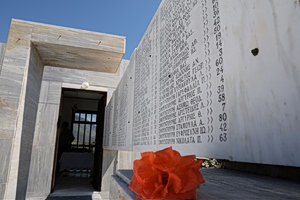
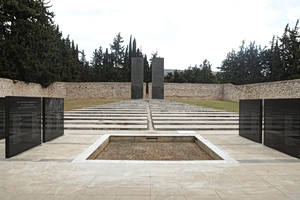
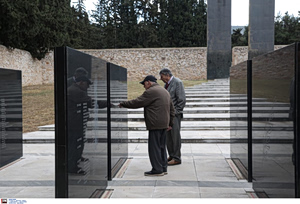
12 photographs showing scenes from the mass execution of 200 Greek men by Nazi occupying forces at Kaisariani shooting range in Athens on May 1, 1944, were declared a protected national monument; Athens seeks their possession
Belgian collector in possession of the photographs has reportedly sold more than 47,000 Nazi-era Items
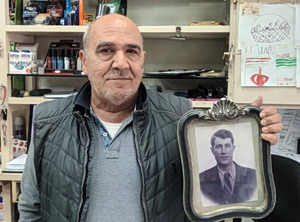
'I knew he had been executed, but I didn’t know about the photograph,' said Thrasyvoulos Marakis from Platanias, Crete, about his grandfather, Thrasyvoulos Kalafatakis, who was among the 200 men executed in WWII by Nazi forces on May 1, 1944
Athens aims to establish whether the photographs are real and how they came into the possession of the Ghent collection before commencing procedures to acquire them
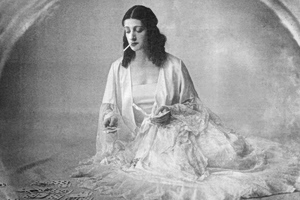
One of Greece’s greatest 20th century actresses fell victim to the spitefulness of her own colleagues and the untrammeled political passions of the latter part of the resistance against the Nazis and the nascent Civil War
This past hangs like a shadow over German-Greek relations and still surfaces whenever Germans and Greeks sit down together to discuss their relations
The Ministry of Culture officially designated Karya’s railway station in Fthiotida, Central Greece, a historic site, preserving the memory of one of the Holocaust’s lesser-known chapters in the country
In a war filled with unspeakable horror, Lela Karagianni’s story is one of undying light. She turned her family into a fortress of resistance, her home into a battlefield, and her life into a weapon against fascism
The total conclusion of the Second World War, however, would come a few months later, following the atomic bombings of Hiroshima and Nagasaki by the United States.
Fresh look at archives unearthed Nazi-linked accounts discovered by bank in 1990s but never disclosed to investigators
The heinous crime committed by Nazi troops in Kalavryta and surrounding areas in December 1943