 Μake us preferred on Google
 Heavy rain is only part of what turns a storm into a disaster. A flood’s toll also depends on where and how communities have built, the state of their infrastructure, how prepared the authorities are and whether warnings reach people in time, according to a major study of recent flood disasters in Europe by 19 scientists from 14 countries. Greece is one of the countries it examines.
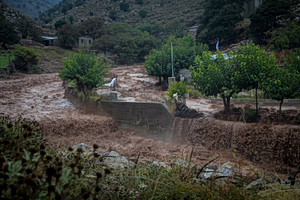
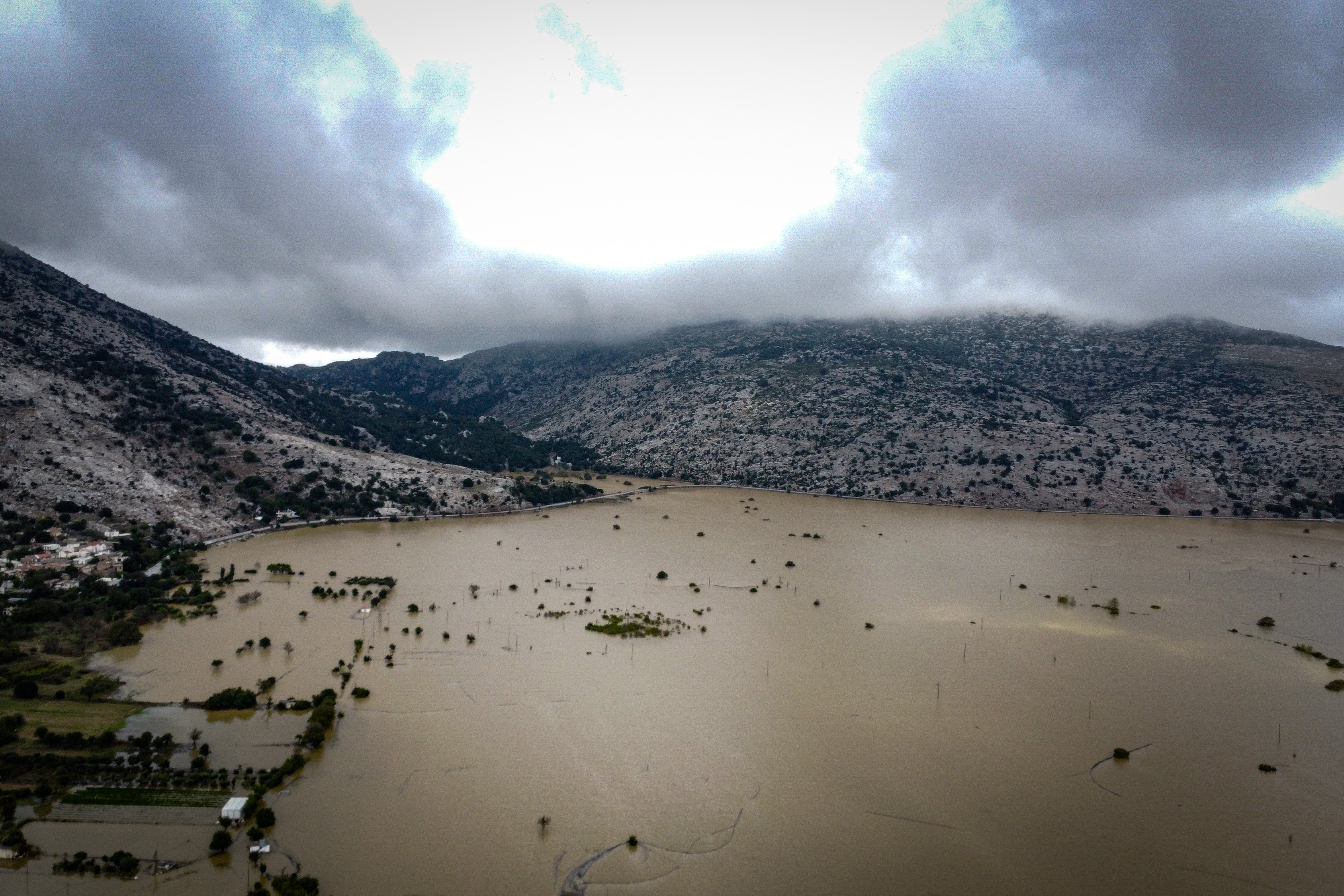
In Greece, the floods of past winters, the recent ordeal of Thessaly’s farming communities, last week’s flooding in Crete and the hard questions left behind by earlier disasters have revived a familiar anxiety. Is the country any better protected this year? And what happens after Crete? The question is no longer simply when the next extreme storm will strike, but whether Greece will be ready for it, wherever it hits. Over the past 25 years, major floods have been recorded repeatedly in Attica, Thessaloniki, Epirus, Thessaly, the western Peloponnese, Evia, Crete, the eastern Aegean islands and the Dodecanese, according to Kostas Lagouvardos, research director at the National Observatory of Athens. “These are areas with a historically higher level of risk. And now the country is once again entering the season when heavy rain can cause serious problems,” he said.
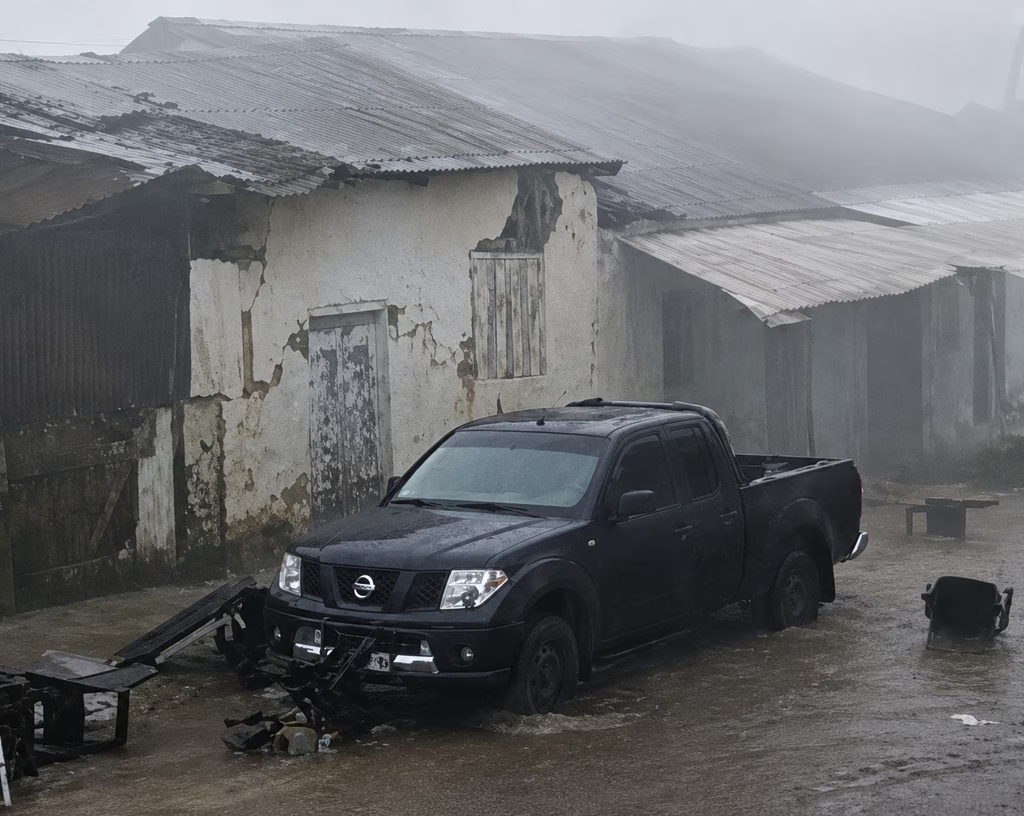
Concern is greatest in areas that have not yet recovered, such as Crete. “Because infrastructure on the island, such as bridges and rural roads, was destroyed in the recent floods, these areas are more vulnerable. Even moderate rainfall could cause further problems,” Lagouvardos warned.
The comparative study of major European floods from 2007 to 2025, published in the International Journal of River Basin Management by the British academic publisher Taylor & Francis, cites Greece in two cases. The first is the strain urban development placed on Mandra, where a flash flood in 2017 killed 25 people after roughly 300 millimeters of rain fell in 13 hours. The second is Thessaly, a farming region in central Greece where Storm Daniel flooded about 8,500 square kilometers of farmland in 2023. The researchers point to the region’s vulnerability because of its dependence on agriculture, limited insurance coverage and damage to critical infrastructure. The Greek co-authors are Michalis Diakakis, an Assistant Professor of Extreme Events and Natural Hazards at the National and Kapodistrian University of Athens, and Anastasios I. Stamou, professor of computational methods in environmental fluid mechanics at the National Technical University of Athens.
Five conclusions
The scientists reached five conclusions.
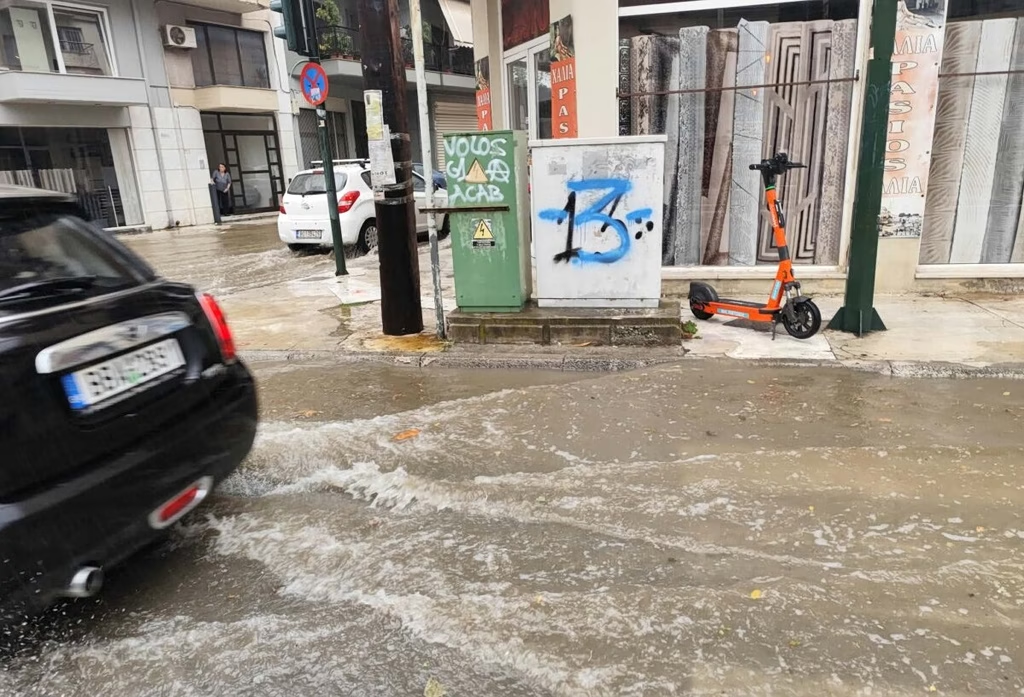
- Urbanization makes flooding itself worse. Covering the ground with impermeable surfaces, building in floodplains and relying on inadequate drainage networks all cause water to gather faster.
- Forecasts are not enough unless they lead to timely action. What matters is how warnings are delivered: they must reach people, be easy to understand and explain what to do.
- Engineering works need maintenance and supporting measures. Levees, bridges and reservoirs must be combined with appropriate land use, adequate drainage, wetland restoration and more room for rivers.
- Threats of roughly the same intensity can have very different consequences. Institutional readiness, financial resources, insurance and social protection all affect losses and how long recovery takes. Poorer regions more often face a drawn-out recovery and depend on outside help.
- Flood protection must be planned for entire river basins. That requires shared data, cooperation between municipalities and between countries, clearly defined responsibilities and plans to keep roads, hospitals, power and telecommunications running.
“Our cities are built for the climate of the past, not for the one we see coming,” Diakakis told TO BHMA. “And it is very difficult, technically and financially, to build flood defenses that eliminate the risk entirely.”
Climate change means extreme weather is expected to strike more often, he explained. “But when we look at how our towns are built, at the ways people have altered the landscape, at the state of our streams and at what we have learned from the disasters of recent decades, our conclusion is that existing conditions cannot cope once the weather turns extreme,” he said. “In fact, we are seeing problems appear even with moderate to heavy rainfall.”
Diakakis also stressed the need for immediate action so the country is better prepared and does not face similar situations again. “We need to adopt both short-term and long-term measures,” he said.
A ban on building in risk zones
Over the long term, the top priority is to move settlements and infrastructure out of zones at high risk of flooding. It is a difficult process, but Diakakis believes it is essential to protect the space that streams need and to prevent further construction in areas threatened by floods. “Because relocating existing settlements and infrastructure is extremely difficult, what we propose is to integrate flood risk meaningfully into land use planning. Where official maps show a flood risk, new construction should be banned or restricted,” he said.
According to Diakakis, in the short term, there are interventions that can be applied depending on the characteristics of each area. These include building small retention dams on higher ground to slow floodwater before it reaches the plains. The assistant professor places particular emphasis on nature-based solutions, which can be effective and cheaper. He also considers better public education crucial. A related study found room for improvement both in how people understand early warning messages and in how they perceive and manage flood risk, an issue he said concerns Europe as a whole.
Lagouvardos sees it the same way. Storms of this intensity are already hitting more often as climate change accelerates, he said, and their frequency will unfortunately keep rising in the decades ahead. He wants public works redesigned for the new climate reality emerging in the Mediterranean, noting that the measurements and data needed to do so already exist.
He also called for investment in Greece’s monitoring networks, so that data keeps flowing throughout a storm and civil protection teams can be sent where they are needed. Local early warning systems, he added, are essential.