 Μake us preferred on Google
 Greek and European authorities are investigating a suspected €500 million scandal involving the procurement of smart water meters and remote monitoring systems for municipalities across Greece, following findings of possible collusion, excessive pricing and failures in financial oversight.
The investigation covers projects in at least 55 municipalities, including cities and towns in the Peloponnese, Western Greece, Epirus, Central and Western Macedonia, Thrace, Evia, Central Greece and the Cyclades. Four additional municipalities in the wider Athens region are also under scrutiny.
The European Public Prosecutor’s Office is examining the case following a months-long investigation by Greece’s National Transparency Authority, the Financial Audit Committee and other oversight bodies.
According to To BHMA, disciplinary proceedings have been initiated against at least five or six public officials, while dozens of local government representatives are expected to be investigated for possible involvement.
The latest revelations also raise questions about the handling of the case within the public administration. Officials under investigation for suspected involvement in the scandal have reportedly recently taken up new management positions in other oversight services. Meanwhile, an agency under scrutiny by the European Public Prosecutor’s Office for inadequate inspections was recently given an award by the Finance Ministry for achieving its targets.
How the €500 million projects began
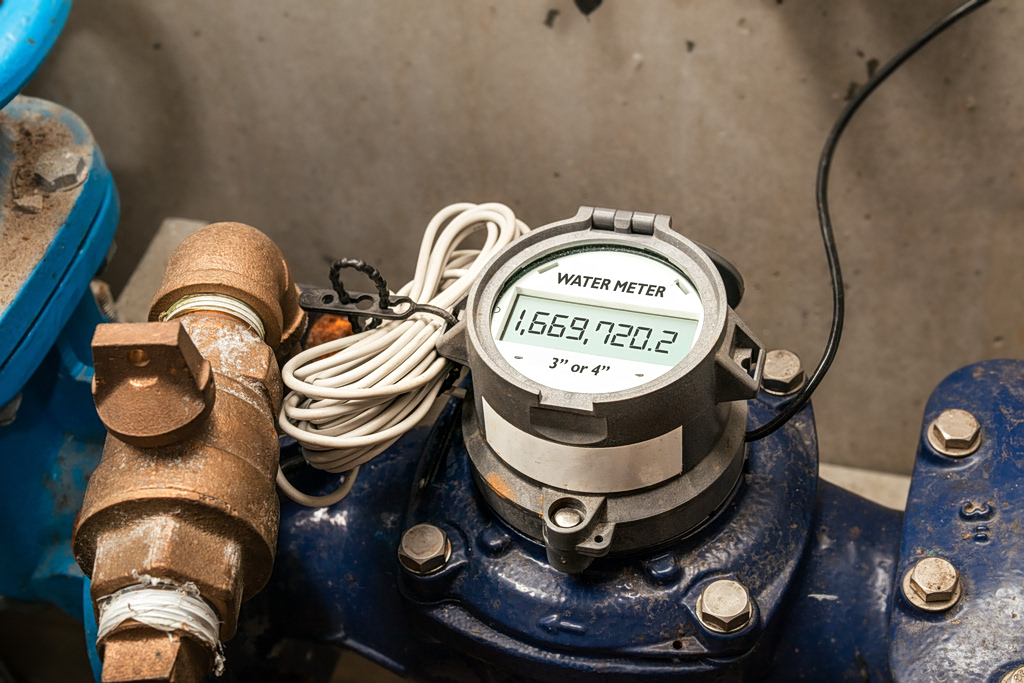
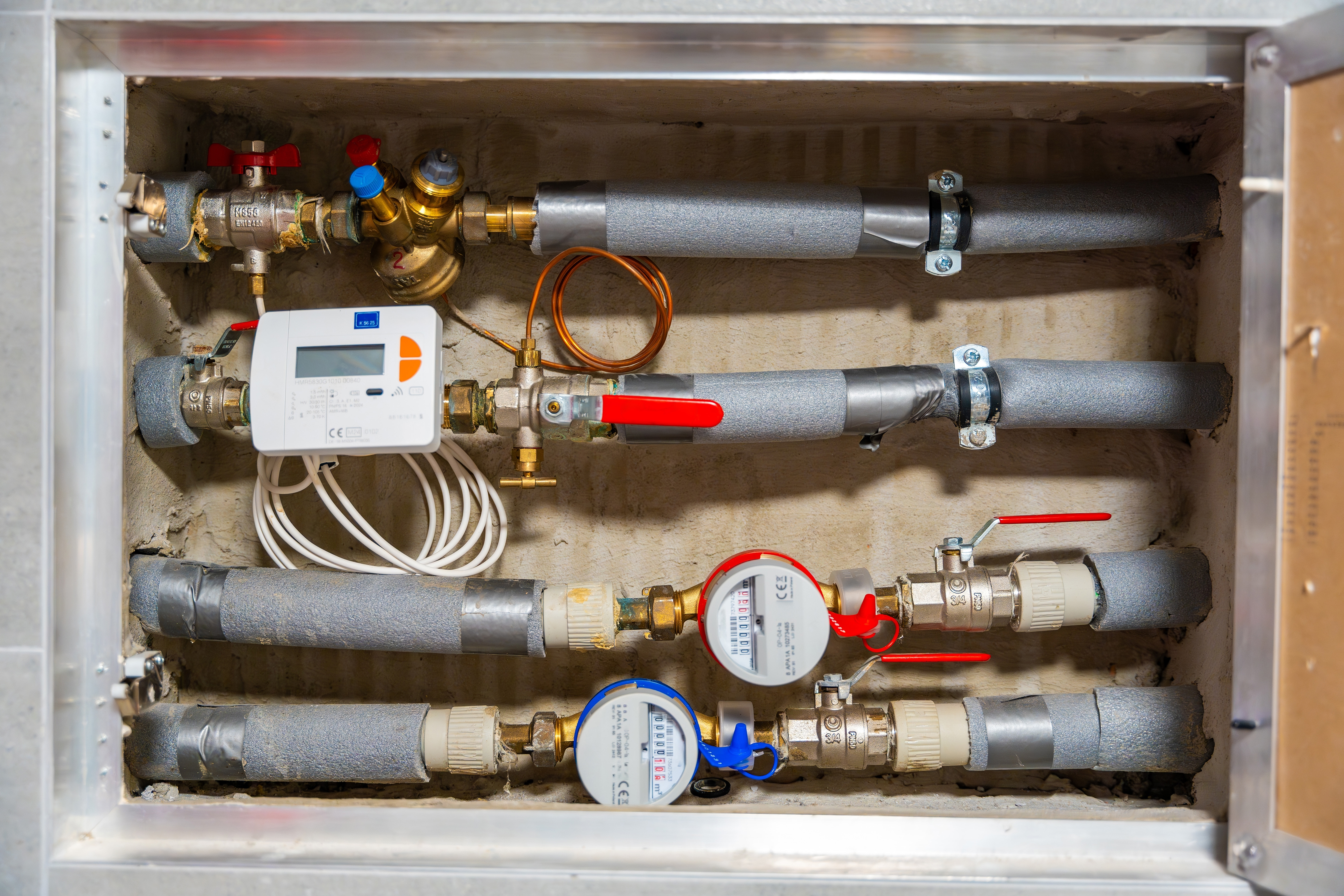
Smart water meters are digital devices designed to replace conventional water meters. Connected to remote monitoring systems, they allow municipal water and sewerage companies and other local technical services to collect readings remotely, identify unusual consumption that may indicate leaks, and better monitor water losses across distribution networks.
In December 2023, Greece’s managing authority for the European Union-funded Environment and Climate Change and Civil Protection programs issued a call for projects to install the equipment.
A total of 55 projects were eventually approved, with a combined budget of approximately €500 million, or around €9 million per project. Many are financed through European Union funding under Greece’s National Strategic Reference Framework, known as the NSRF.
However, the procurement process is now being examined over allegations that the contracts involved inflated budgets, unnecessary equipment and possible coordination between suppliers and municipal officials.
Collusion and inflated prices
Investigators have examined suspected behind-the-scenes arrangements between five or six water-meter suppliers and municipal officials, as well as emails exchanged between private companies and public servants.
The allegations include overlapping project scopes, prices inflated by more than 200% to 300%, excessive quantities in orders and technical specifications that may have restricted competition.
A central role in bringing the case to light was played by a 28-page report written by a public-sector auditor who examined the water-meter procurements.
The auditor alleged that municipal services and certain commercial suppliers had prepared budgets using substantially inflated prices, excessive quantities of equipment — some of it unnecessary — and overlapping project scopes.
These practices, the report argued, created unjustified profits and corresponding losses to public finances that could exceed €200 million, according to estimates.
The auditor also state that senior officials had attempted to prevent the suspected practices from being exposed, including through intimidation of the relevant oversight mechanisms or their employees.
Companies submitted bids within hours
A report by Greece’s National Transparency Authority identified what it described as a particularly significant indication of possible coordination between municipalities and specific water-meter suppliers: companies submitted bids just hours after the relevant invitations were published.
The authority found that suppliers responded immediately in every case, sometimes on the same day the invitation was sent.
In one case involving a municipal water and sewerage company in a city in Western Greece, the submitted bids were even assigned consecutive incoming-protocol numbers on the same date.
The authority said the scale and complexity of the projects, together with the range of equipment and services requested, should have required a reasonable delay of at least several days. Suppliers would ordinarily need time to study the project, gather pricing information and estimate both costs and implementation schedules.
The unusually rapid responses raised questions about whether some suppliers had been prepared in advance.
23 project approvals issued without prior authorization
The transparency authority also identified irregularities in the approval process for some projects.
According to its findings, 23 funding approval decisions were issued without the corresponding approval from the competent body of the beneficiary municipality or organization for reducing the project budget and amending the tender documents, including the technical description and estimated budget.
The authority concluded that the required approvals appeared to have been granted retrospectively.
It noted that subsequently requiring a budget reduction, as indicated in a message cited in the report, violated the principle of transparency.
Possible double funding was not fully checked
Another concern was the failure to establish whether the projects were distinct from other publicly funded initiatives — in other words, whether the same equipment or work might have received funding more than once.
The authority found that checks for duplicate funding had been limited to proposals submitted or approved under two programs running during the same period: the Recovery and Resilience Facility and Greece’s “Antonis Tritsis” local government funding program.
The inspection team was not given evidence showing that the checks had been extended to water-meter and remote-control or telemetry equipment that had already been purchased or was being installed under other funding sources.
Those sources could include regional operational programs, the Interior Ministry’s “Filodimos” program, or municipalities’ own funds.
As a result, the authority’s findings indicate that the possibility of duplicate financing was not comprehensively examined across all relevant funding channels.
Investigations continue
The case has prompted scrutiny of both the procurement procedures and the public officials responsible for overseeing them.
The European Public Prosecutor’s Office is reviewing the file, while Greek authorities continue to examine the findings of the National Transparency Authority.
The investigation could also expand to dozens of municipal representatives as authorities seek to establish whether the suspected practices involved coordination between suppliers and local government officials, and whether public funds were improperly spent.