
 Μake us preferred on Google
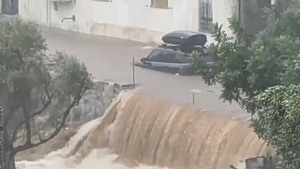
 Greece has launched preparations for the 2026-27 winter season with the General Secretariat for Civil Protection issuing urgent instructions to regional and municipal authorities to strengthen preparedness against potential flooding.
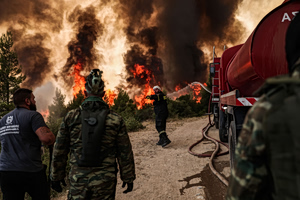
The measures focus particularly on areas at high risk of flooding and drainage basins where natural vegetation has been destroyed by wildfires, increasing the potential for flooding and landslides.
Regional authorities have been instructed to immediately inspect and, where necessary, clear stream beds. They must also maintain flood-control infrastructure and stormwater drainage networks under their responsibility and accelerate projects already underway.
Municipalities are similarly required to inspect and maintain their stormwater networks and flood defenses and plan new interventions where necessary.
Particular emphasis has been placed on cleaning and maintaining storm drains, grates and pipelines, especially in urban areas. These works should be repeated after significant rainfall events.
Evacuation plans to be updated
Municipalities and regions have been instructed to prepare or update their Special Organized Preventive Civilian Evacuation Plans for flooding incidents.
Authorities must also update contact information for agencies involved in emergency response, contractor registries and lists of available heavy machinery and their operators.
The plans will also include records of temporary shelter locations. In areas at high risk of flooding, authorities are expected to identify suitable buildings where residents can seek safe shelter.
Mapping high-risk locations
The technical services of regional and municipal authorities must, within the first 15 days of September, compile lists of locations considered particularly vulnerable and map them.
Particular attention will be paid to locations where roads cross streams, as well as interchanges and crossings.
The information will be shared with the Hellenic Police, allowing it to be incorporated into traffic management measures during severe weather events.
Warning over flooded crossings
The instructions specifically address so-called “Irish crossings,” low-water road crossings that can become submerged during heavy rain.
Authorities are required to record these crossings and ensure they have appropriate warning signs. Residents are urged not to attempt to cross them when they are covered by water because of the immediate risk of people and vehicles being swept away.
Special focus on wildfire-hit areas
Areas affected by forest fires have been given high priority because the loss of natural vegetation can significantly increase the risk of flooding and landslides.
For these areas, authorities are instructed to thoroughly inspect and maintain existing flood-control infrastructure, clear streams, plan flood-prevention and erosion-control measures, and accelerate the completion of necessary projects.
Preparedness meetings and exercises in September
Regional and local Civil Protection Operational Coordination Bodies must schedule meetings by the first 10 days of September.
The meetings will focus on prevention, operational readiness, coordination among the agencies involved and the response to potential flooding during the winter season.
Regional and municipal authorities must also organize a Civil Protection exercise during September to prepare for flooding. The exercise will include a scenario involving the organized preventive evacuation of residents.
112 emergency alerts
If the intensity and development of a local weather event could pose a threat to human life or property, authorities are required to immediately notify the National Coordination Center for Operations and Crisis Management.
If deemed necessary, an emergency warning will then be sent through 112, Greece’s emergency alert system.
The General Secretariat for Civil Protection stressed that all prescribed measures must begin immediately and without delay, emphasizing that early preparation and prevention can be crucial in protecting residents from flooding.