 Μake us preferred on Google
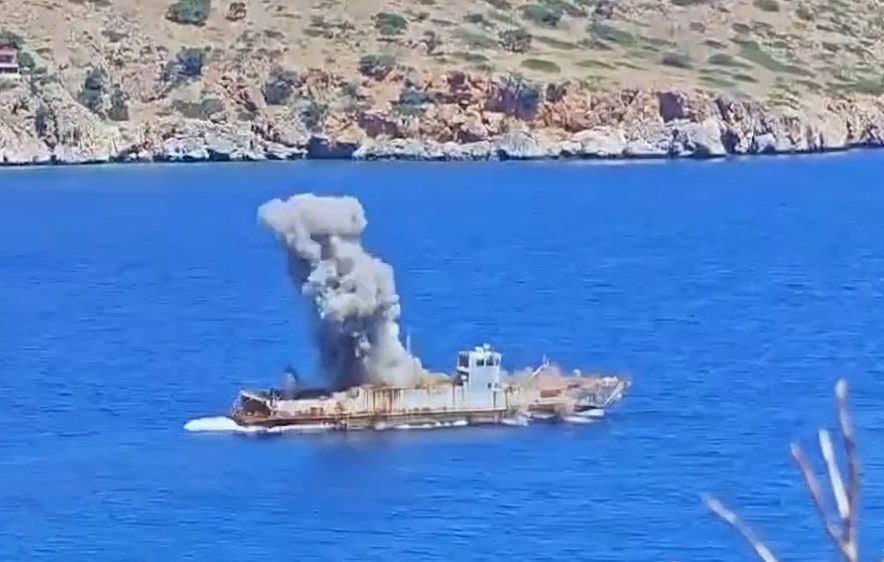
 Greece’s first organized shipwreck dive park moved closer to completion on Wednesday as military personnel prepared to sink the decommissioned landing vessel Folegandros off Crete’s northwestern coast, creating a new artificial reef and underwater attraction aimed at expanding the large island’s diving tourism sector.
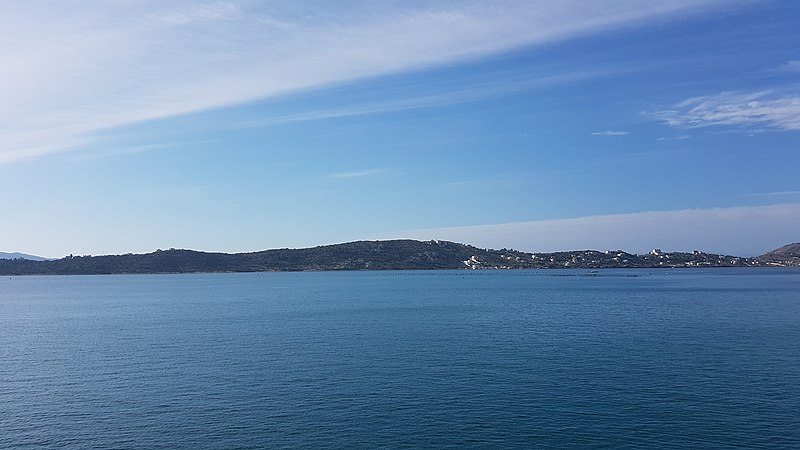
The operation is taking place in Ombros Gialos Bay in the municipality of Apokoronas, east of Chania (Hania), where 44 artificial reefs and the retired Hellenic Navy tugboat Nestor have already been placed on the seabed as part of a long-running project to establish a dedicated underwater recreation park. The Folegandros is expected to settle at a depth of about 25 meters following a controlled sinking overseen by the coast guard and a Hellenic Navy underwater demolition unit.
Authorities imposed strict safety measures in the wider maritime area, banning all marine traffic, anchoring and transit within a one-kilometer radius of the site until the operation is completed.
The sinking of the Folegandros is regarded as a key milestone in the completion of the Apokoronas Diving Park, which local authorities hope will begin operating before the end of the current tourist season. The park will feature three separate diving routes: a shallow artificial reef zone at depths of approximately 9-10 meters, the Nestor wreck site, and the deeper Folegandros wreck.
The project forms part of broader efforts to diversify Crete’s tourism offering beyond traditional summer travel and attract recreational divers from Greece and abroad.
The creation of artificial reefs through the controlled sinking of decommissioned vessels has become an increasingly common tool for marine tourism and habitat enhancement worldwide. Similar projects in the United States, Australia and several Mediterranean destinations have sought to create new underwater ecosystems while generating economic activity through diving tourism. Marine scientists note that, when vessels are thoroughly cleaned of fuels, oils and other contaminants before sinking, they can provide hard surfaces that are rapidly colonized by algae, sponges, corals and fish, creating new habitats and helping concentrate marine life.
The Apokoronas project has been under development for more than a decade and is intended to combine recreational diving with marine conservation objectives. In addition to the two shipwrecks, the site includes dozens of artificial reef structures designed to encourage biodiversity and establish a protected underwater environment for divers of varying experience levels.