 Μake us preferred on Google
 The first case of West Nile virus infection in Greece this year has been confirmed, with health authorities urging the public to take precautions against mosquito bites during the period when the virus circulates.
The National Public Health Organization of Greece (EODY) confirmed on Thursday that the case involved meningoencephalitis, a serious inflammation affecting the brain and its surrounding tissues, in a person aged over 60.
The patient developed symptoms in late June, while experts consider the most likely area of exposure to be the Northern Sector of Athens regional unit, specifically the municipality of Agia Paraskevi.
Health specialists expect cases to increase during the summer and autumn, as happens each year during the main transmission period.
Annual presence of West Nile virus in Greece
West Nile virus infections are reported every year in many countries around the world, including several European nations, mainly during the warmer months.
In Greece, cases have been recorded annually since 2010, making the seasonal reappearance of the virus an expected occurrence.
In May 2026, EODY informed healthcare professionals across the country about the need for increased vigilance and issued public guidance on measures to prevent mosquito bites.
How West Nile virus spreads
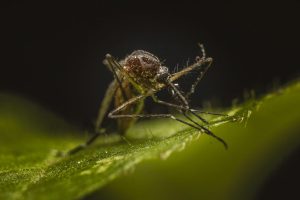
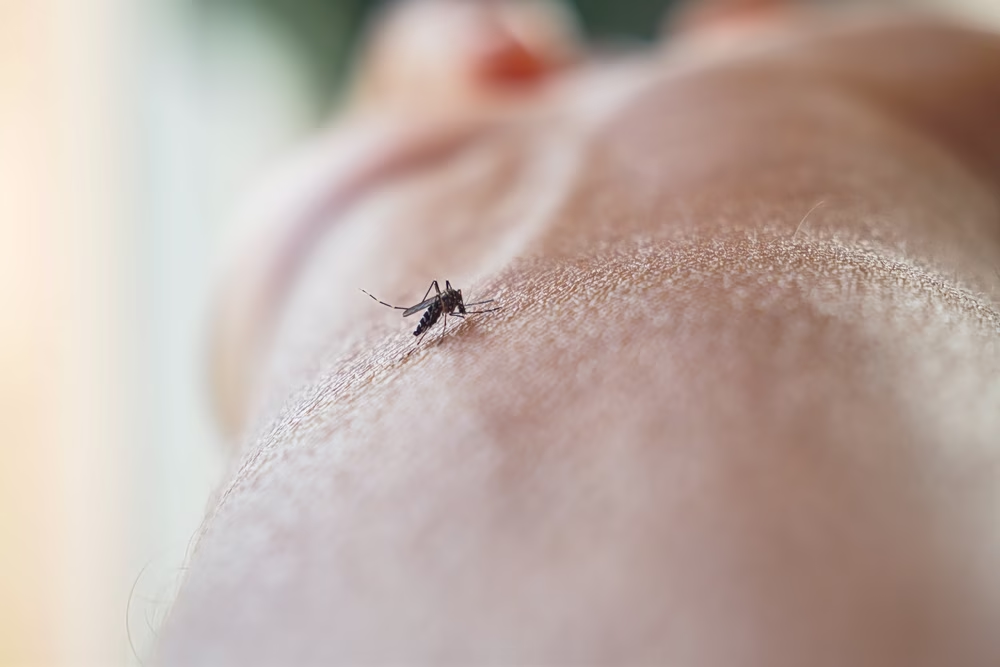
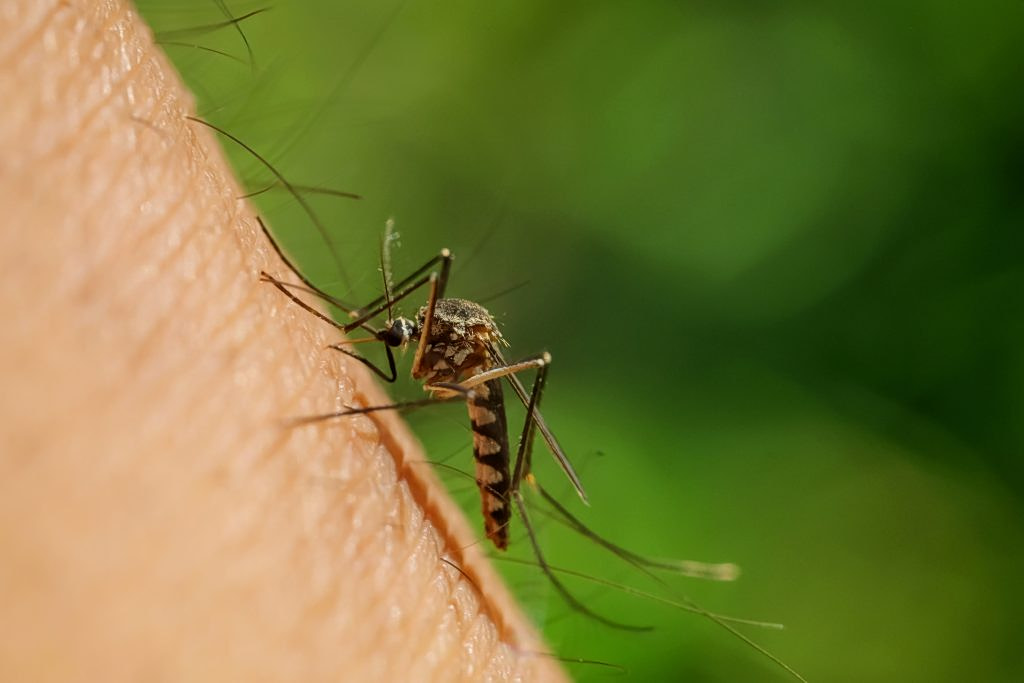
According to EODY, West Nile virus is mainly transmitted through the bite of infected common mosquitoes. These mosquitoes become infected after feeding on infected birds, mainly wild birds.
Humans who contract the virus do not transmit it further to other mosquitoes or to other people through direct contact.
Most infected people either develop no symptoms or experience only mild illness. However, in a small percentage of cases — fewer than 1% — the infection can become severe and affect the nervous system, causing conditions such as encephalitis or meningitis.
Older adults, people with weakened immune systems and those with chronic underlying health conditions face a higher risk of serious illness and potentially life-threatening complications.
Authorities note that the spread of the virus depends on multiple factors, meaning it is not possible to accurately predict which areas will experience cases.
How to protect against mosquito bites
EODY recommends personal protection measures throughout Greece during the entire mosquito season.
Recommended precautions include:
- Using approved insect repellents for the body and surrounding areas according to instructions.
- Installing window screens and using mosquito nets where possible.
- Using air conditioning or fans.
- Wearing suitable long clothing, especially during periods of increased mosquito activity.
- Avoiding the accumulation of standing water, where mosquitoes lay their eggs.
Residents are also advised to regularly check outdoor areas such as gardens, balconies, rooftops, yards and plots of land for places where water can collect.
Objects that collect water should be emptied, turned upside down, covered or have their water replaced at least once a week. Gutters, drains and channels should also be cleaned regularly, while ventilation openings of septic tanks should be covered with screens.
EODY particularly advises older people, individuals with weakened immune systems and those with chronic health conditions to follow mosquito protection measures consistently, as they are more likely to develop serious illness if infected.