
 Μake us preferred on Google
 Greece’s Supreme Administrative Court has issued a landmark ruling ordering the country’s national intelligence service to surrender surveillance records on an investigative journalist who was placed under state wiretapping and targeted by the Predator spyware; a case that has cast a long shadow over the Greek government and drawn international attention.
The full bench of the Council of State ruled on March 2, 2026, ordering the Greek National Intelligence Service, known by its Greek acronym EYP, to transmit to the court the official surveillance file on journalist Thanasis Koukakis, along with any other relevant material.
What the Court Decided
Koukakis, an investigative journalist, had filed a legal challenge after being informed that his request for information about why his communications had been monitored could not be satisfied — because the EYP had refused to submit the relevant file to Greece’s independent Authority for Communication Security and Privacy, the body that oversees the lawfulness of surveillance activity.
The case was initially heard by the Council of State’s full bench in November 2025, but the court was unable to reach a final ruling because the EYP had not provided the surveillance file. Following deliberations on March 2, 2026, the court took the significant step of directly ordering the intelligence service to comply.
The ruling goes further than a simple disclosure order: the court stipulated that if the EYP claims the file has been destroyed, it must inform the court under what legal provision the destruction occurred — and must then reconstruct the file and transmit it. The National Intelligence Service has three months from the official notification of the decision to do so.
Why It Matters
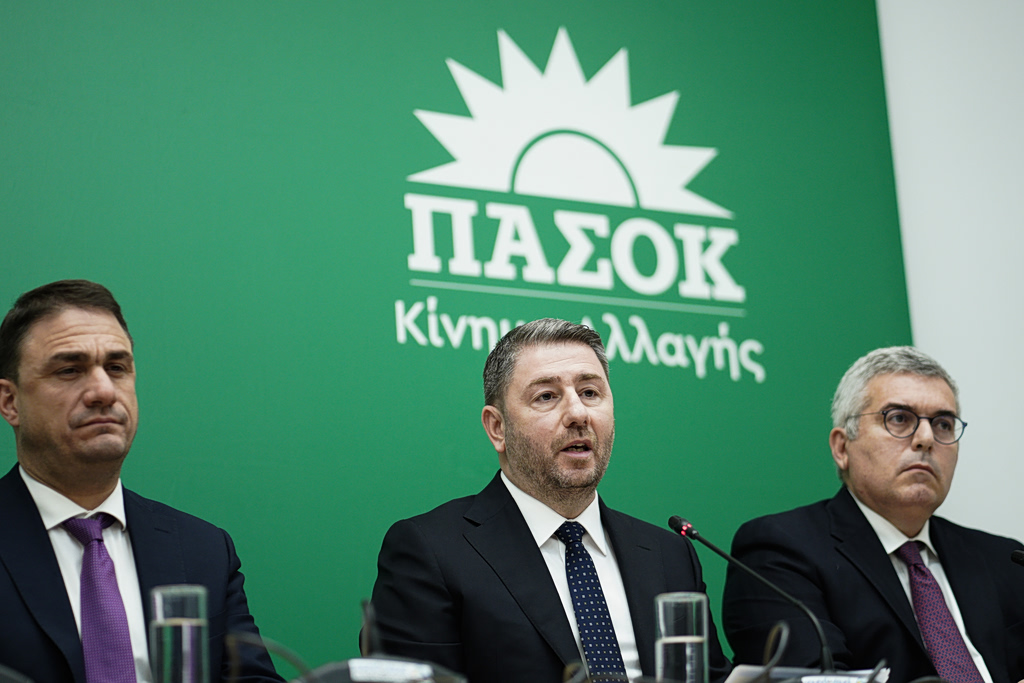
Legal experts are describing the decision as highly significant. It is only the second such ruling by the Council of State in connection with the wiretapping scandal. The first concerned Nikos Androulakis, the leader of PASOK — Greece’s historic center-left party and current main opposition — who had separately sought to learn why he had been placed under surveillance. The court ruled in his favor, but according to Androulakis, that earlier ruling has still not been implemented.
The ruling comes alongside another recent legal development in the broader scandal: a first-instance criminal court in Athens found four private businessmen guilty in connection with the Predator case, while also ordering a new round of investigations into additional individuals not previously tried.