 Μake us preferred on Google
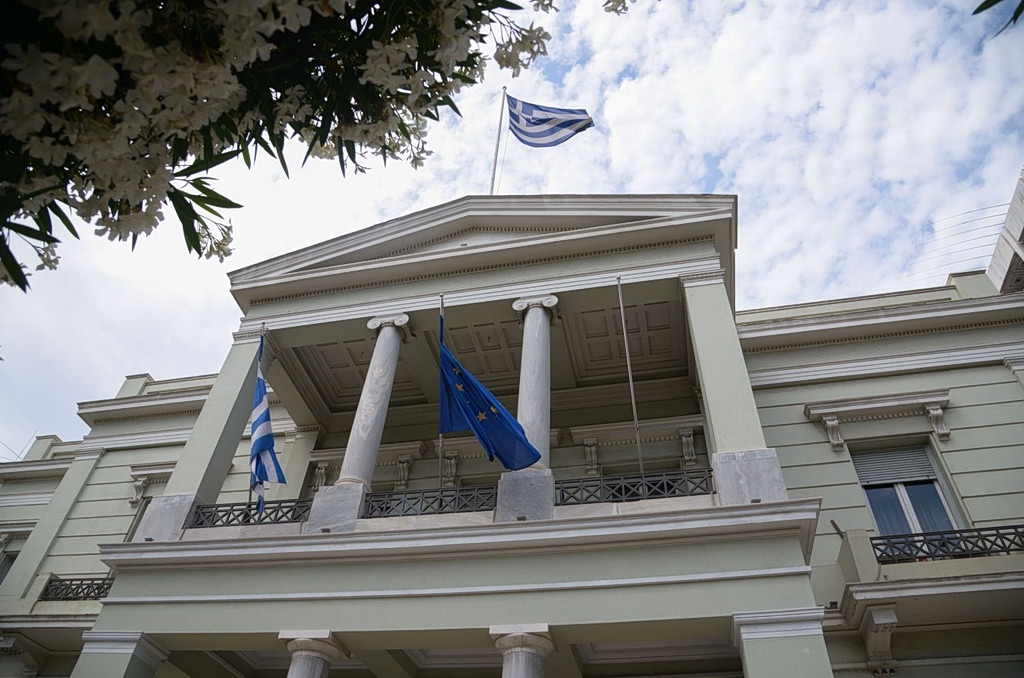
 Greece and France have signed nine agreements aimed at expanding their strategic partnership across a wide range of sectors, including defense, energy, technology, education and research.
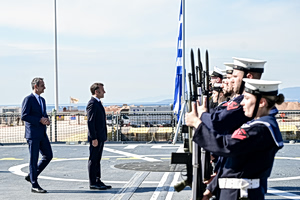
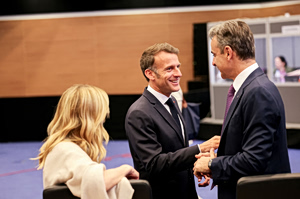
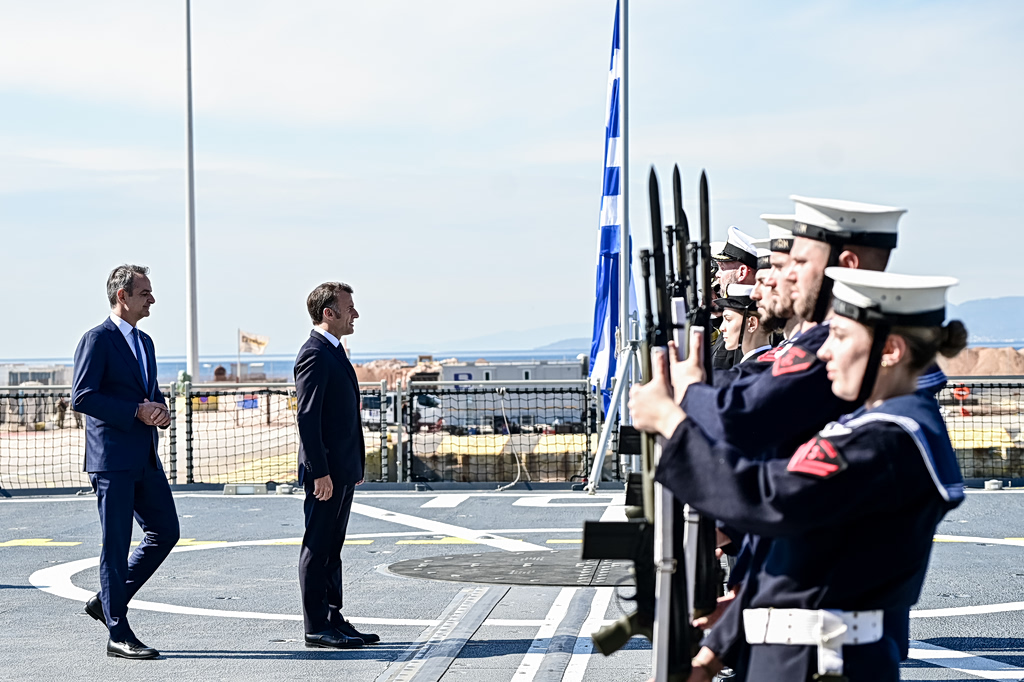
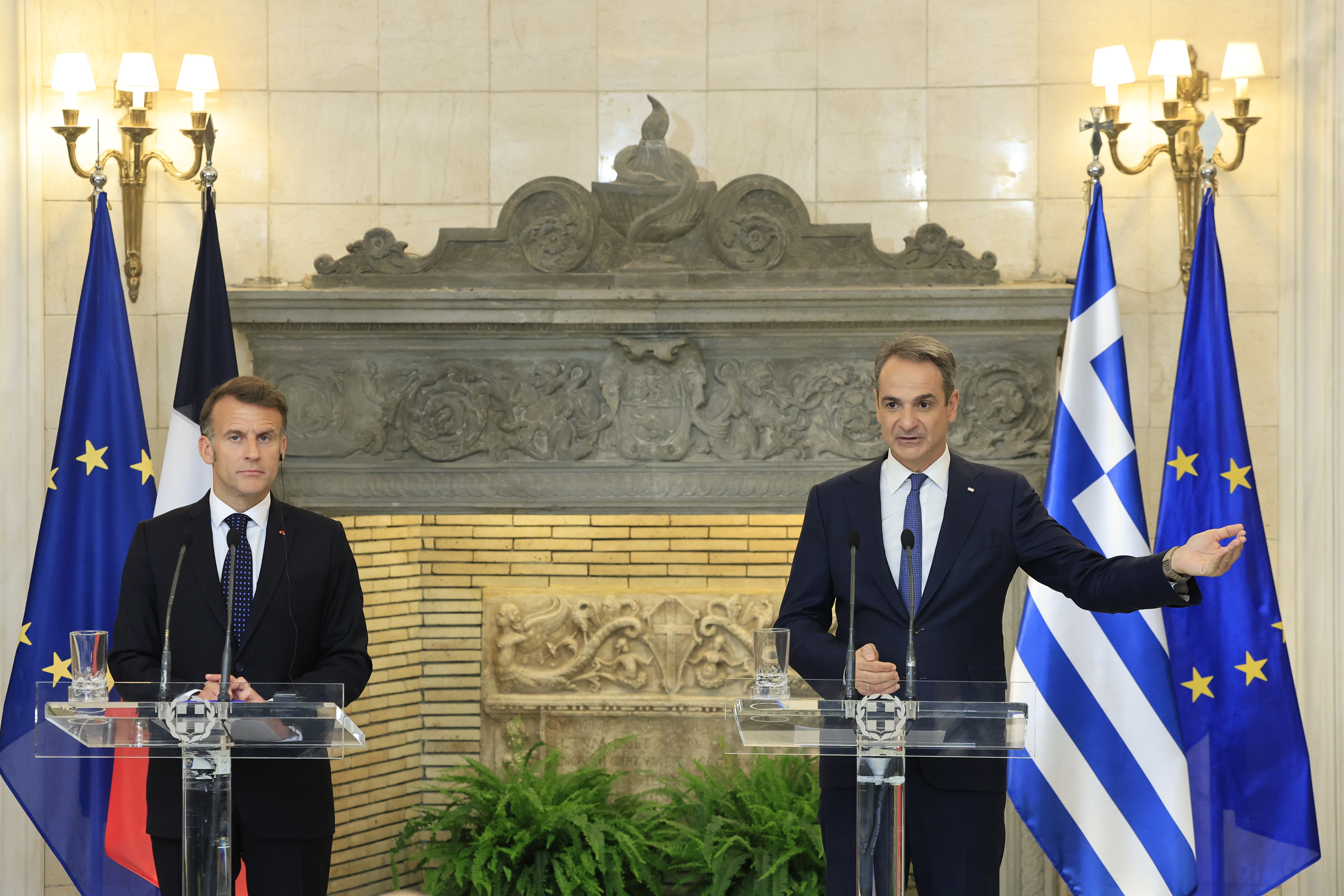
The deals were formalized during a high-level meeting between Greek Prime Minister Kyriakos Mitsotakis and French President Emmanuel Macron, marking a significant step in strengthening bilateral cooperation.
Broadening a multi-level partnership
At the core of the agreements is an enhanced comprehensive strategic partnership framework, designed to deepen collaboration not only in security and defense but also in economic policy, innovation, migration management, environmental issues and culture.
Government sources described the new framework as a major upgrade of existing ties, positioning the two countries as key partners in the Mediterranean and reinforcing their shared commitment to international law and multilateral cooperation.
The agreements also aim to improve coordination within the European Union and other international organizations, while strengthening joint efforts on border protection and tackling migration challenges.
Defense and security at the forefront
A central element of the package is the renewal of the bilateral defense and security agreement first signed in 2021. The updated deal will remain in force for five years and will be automatically renewed unless terminated by either side.
The agreement includes a mutual assistance clause in the event of an attack, underlining the depth of strategic alignment between the two countries.
Greek officials emphasized that the strengthened defense cooperation enhances national security and contributes to broader European stability. The agreement is also expected to be complemented by further defense procurement and technical cooperation in the future.
The nine agreements in detail
The agreements signed between Greece and France include:
- An enhanced comprehensive strategic partnership framework
- Renewal of the bilateral agreement on defense and security cooperation
- A roadmap for closer cooperation between the two countries’ foreign ministries
- A joint declaration on strengthening cooperation in vocational education, training and lifelong learning
- A 2026–2030 action plan for cooperation in higher education and scientific research
- A declaration of intent for cooperation in nuclear technology
- An agreement to establish an intergovernmental organization for digital ocean systems and IT services
- A declaration of cooperation in defense research, innovation and military technologies
- A framework agreement for the continued support and upgrade of missile systems
These initiatives are expected to open new opportunities in fields such as artificial intelligence, cybersecurity and digital infrastructure.
Strategic significance
Officials highlighted that the agreements elevate Greece’s geopolitical position while creating new economic prospects and synergies across multiple sectors.
The partnership also reflects a broader European trend toward greater strategic autonomy in defense and security, with both countries advocating closer cooperation within the EU.
Describing the relationship as “multi-dimensional and deeply rooted,” Mitsotakis pointed to shared values, long-standing ties and common interests as the foundation of the strengthened alliance.
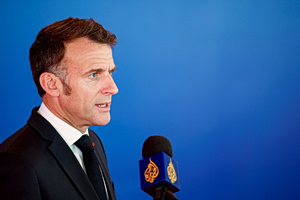
Macron, for his part, underscored the importance of European solidarity and cooperation, particularly in the face of evolving geopolitical challenges.