
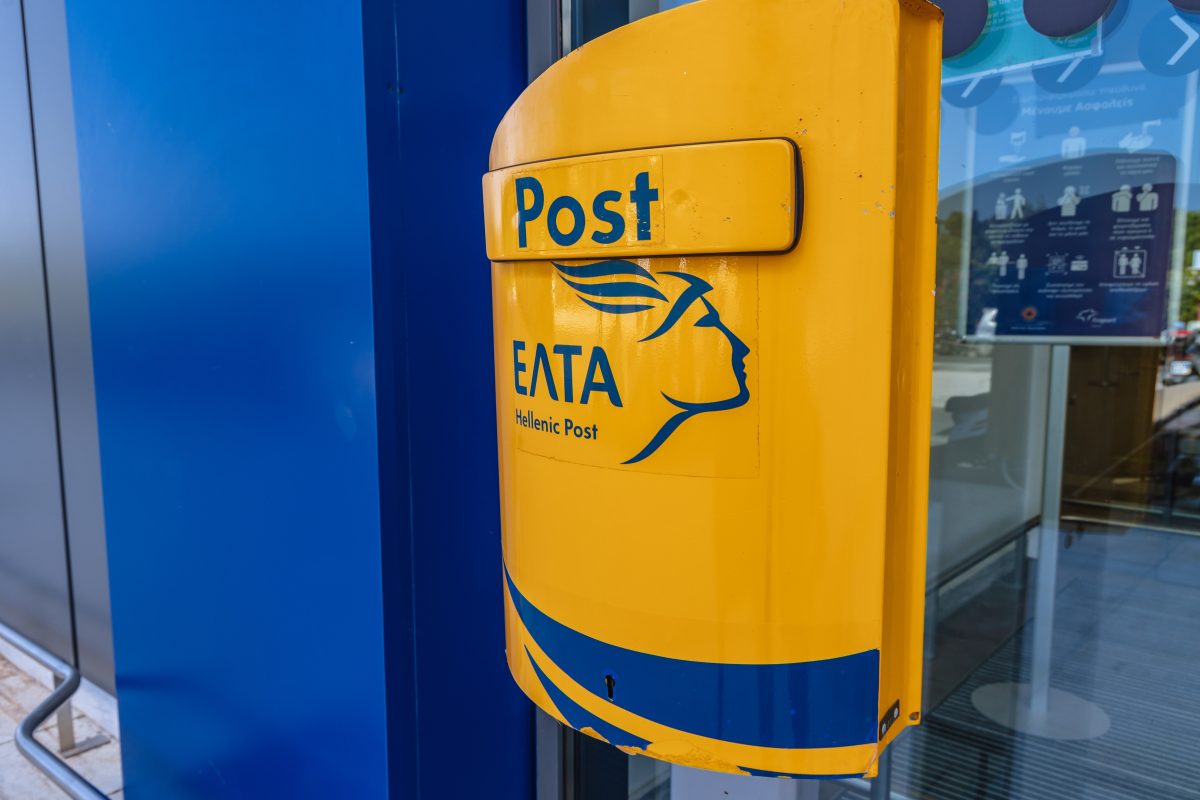
The Hellenic Post (ELTA) has officially launched its long-planned restructuring, with the first 11 branches set to close on February 20 as part of a pilot program. The initiative, approved by the Ministry of Finance, aims to modernize services while maintaining nationwide postal accessibility.
Under the plan, 150 self-operated branches will gradually transition to private partners, including new or existing shop-in-shop locations in nearby areas. Despite the changes, the total number of service points will remain at 985 nationwide, ensuring no gaps in coverage.
The restructuring follows the controversial closure of 46 branches last autumn, which sparked public outcry due to a lack of prior consultation. Unlike the previous abrupt measures, the current plan is based on detailed mapping of ELTA’s network, analysis of social needs, distances, transaction volumes, and local infrastructure, including the availability of banks or ATMs.
A five-day transitional period will accompany each branch transfer, with ELTA staff providing on-site training and support to private partners to ensure continuity and quality of service. Additionally, shop-in-shop models, already operational at over 500 urban, semi-urban, and remote locations, will expand further, offering postal and financial services within supermarkets, bookstores, press agencies, and local service shops.
Authorities stress that the ELTA signage will remain visible nationwide, and home delivery services by postal workers continue unchanged. Importantly, no permanent ELTA staff positions will be lost under the restructuring.
The pilot phase in February will focus on 11 branches in the regions, followed by a larger rollout in March. Applications from potential private partners are being assessed for their infrastructure, service capacity, and readiness to meet ELTA’s operational standards.
Officials emphasize that the reform is socially sensitive, with 17 branches, including locations in Epidaurus, Mycenae, and Mount Athos, exempted to preserve access to essential financial and postal services in areas lacking alternative banking facilities.