 Μake us preferred on Google
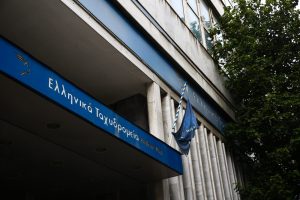
 With the Hellenic Post (ELTA) deep in turmoil, the Greek government and its national investment fund (known as the Growthfund, or “Ypertameio” in Greek) are racing to draw up a new recovery plan. The move follows the anticipated resignation of CEO Gregory Sklikas, who was sacrificed, as some say, like a modern-day Iphigenia, to quell the public outrage sparked by plans to shut down 204 post offices across the country.
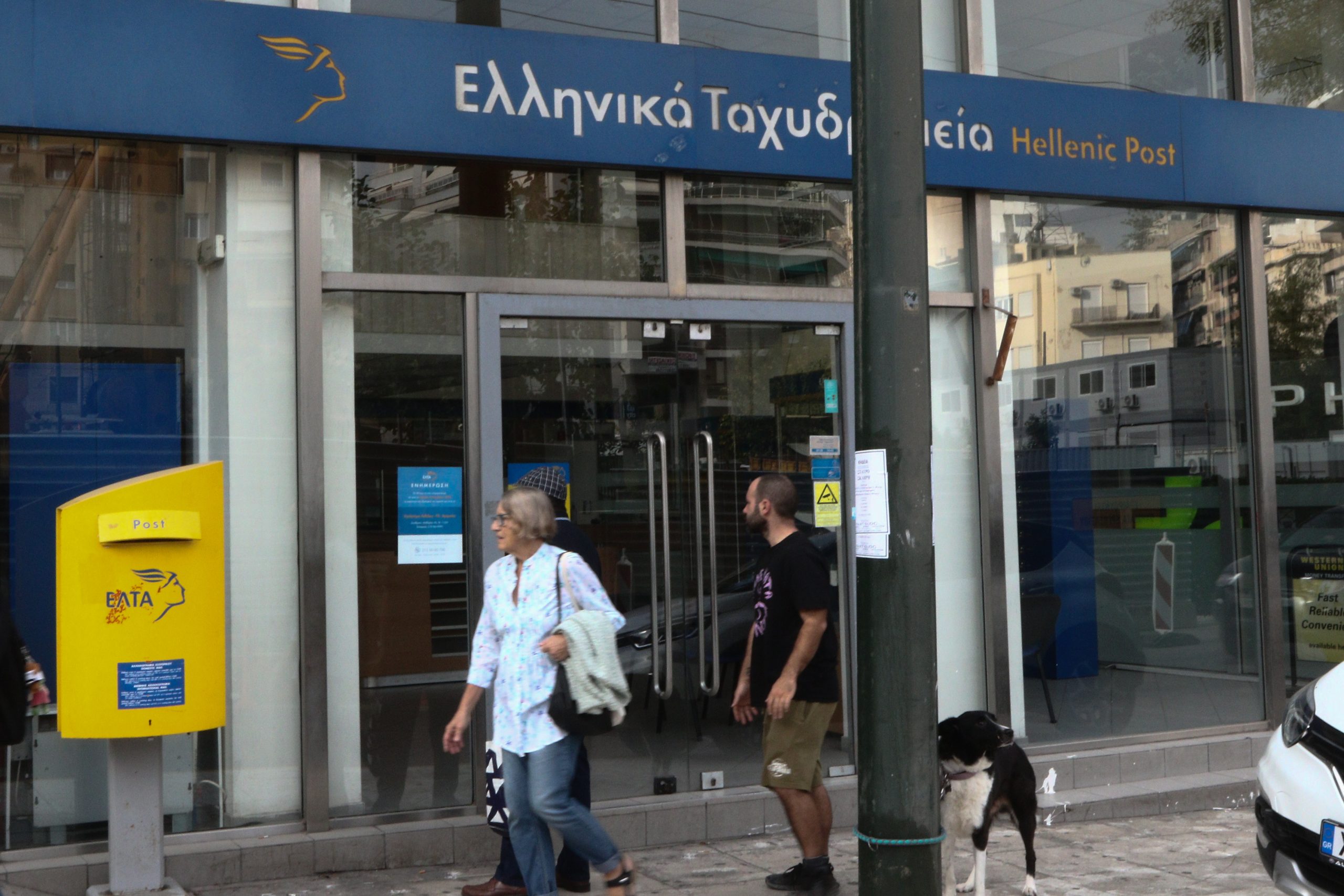
Yesterday, the Growthfund appointed Marios Tempos, a veteran in corporate transformation and until recently ELTA’s deputy CEO, as interim chief executive. His immediate challenge: to craft a new vision for the future. ELTA has already closed 46 branches in Athens, Thessaloniki, Patras, Ioannina, Rhodes, Chania, and Ierapetra, with another 158 expected to follow in the next three months.
A Company in the Red
Industry insiders warn that the new management’s plan “shouldn’t focus only on why another 158 offices must close, but on what’s truly next for a business that’s deep in the red.” In theory, the new leadership should present a credible plan to confront the existential crisis and chronic sustainability problems plaguing the Hellenic Post. The government itself concedes that ELTA’s viability is at stake: “Within months, the company may struggle to pay its employees,” officials admit.
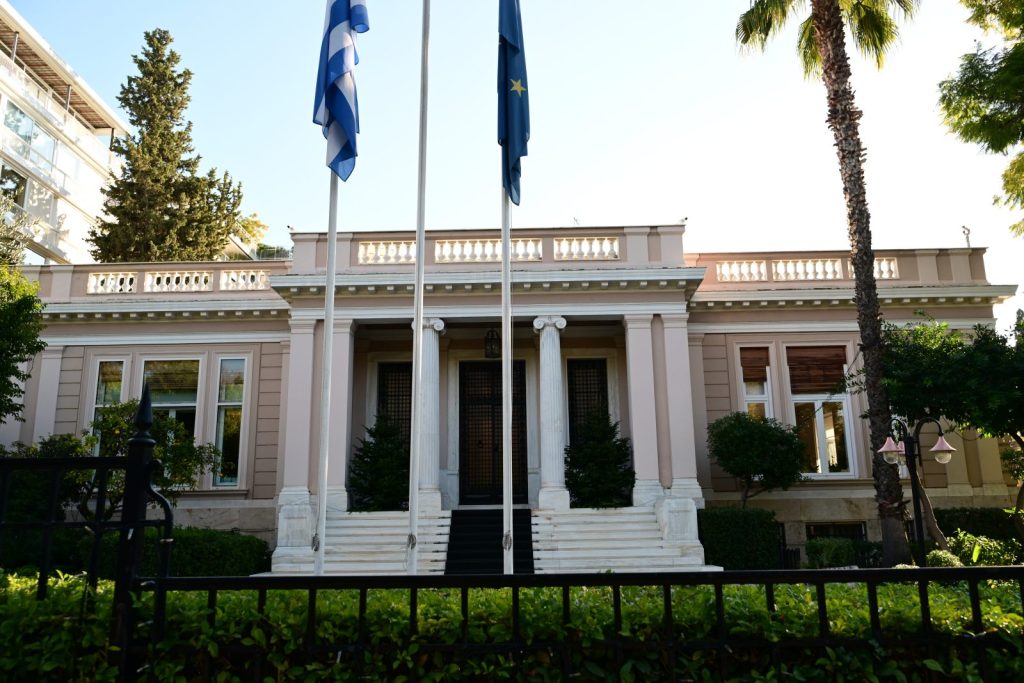
Government Vice President, Kostis Hatzidakis has been blunt: “The state cannot keep funding Hellenic Post. It operates in a free market, belongs to the Growthfund, and competitors have already filed complaints to the European Union.”
Still, until this week, Hellenic Post’s leadership seemed oddly unconcerned. Despite mounting losses, the organization recently moved into new offices with a staggering €180,000 (!) monthly rent. Meanwhile, in just six months, CEO Sklikas’s salary reportedly jumped from €7,374 to over €10,000 a month. All this as the Hellenic Post’s branch network has shrunk 58% since 2023, despite receiving more than €250 million in state aid.
Preparing for Privatization?
Sources close to the matter told Ta Nea newspaper that the controversial “sudden death” plan for 204 branches, which was framed as part of a restructuring effort to cut operating costs, also “bore all the hallmarks of prepping the company for a private investor.”
“When the closures include distribution centers, which are the very core of any postal business, we’re not talking about streamlining,” one industry insider said. “We’re talking about blind cuts that amount to corporate self-sabotage.”
They added that parcel delivery, now the most profitable segment of the postal industry, “was being effectively handed over to competitors” under the former management’s plan.
According to the same sources, during a recent high-level meeting chaired by Hatzidakis with relevant ministers, the Hellenic Post managment, and the Growthfund, a milder version of the closure plan had initially been presented, with a limited amount of closures. But subsequent revisions, as shown in internal email correspondence, expanded the list of planned closures to 204.
Postal executives explain that “the detailed mapping of the 204 Hellenic Post branches slated for closure would have effectively paved the way for a shareholding partnership between the Hellenic Post and a private courier provider. Together, the two companies would command a new, balanced — even ideal — branch network.”
In that scenario, they add, a major foreign player could then step in to acquire the newly unified postal entity, entering a “clean market” without having to bear any of the social or political fallout from shutting down the so-called “redundant” branches.
Five Questions for the Future
- If the 204 closures go ahead, what happens to the recent partnership between Hellenic Post and Alpha Bank for joint financial products and services?
- With a drastically reduced network, can Hellenic Post still claim annual compensation for providing Greece’s Universal Postal Service?
- If Hellenic Post’s goal is growth, why shutter key distribution hubs when parcel delivery is the most lucrative part of the business?
- What became of the €250 million Hellenic Post received after 2023 as compensation for pandemic-era Universal Service obligations and capital increases?
- How can cutting costs, without improving service speed or quality, help restore Hellenic Post’s image and prevent further customer losses?
Spain’s Example
In sharp contrast, Spain last summer approved a rescue package for its state postal service, Correos.
The government extended Correos’ Universal Postal Service license through 2030, without closing a single local branch. Instead, it reorganized mail and parcel sorting by creating four to five large logistics hubs to replace the previous 36, boosting efficiency.
The Spanish state now covers €250 million annually for universal service costs, plus another €150 million for “services of general economic interest,” such as providing basic banking in rural areas.
Correos has also launched a voluntary redundancy program and a new parcel network called Punto Correos to modernize its operations.