 Μake us preferred on Google
 Despite efforts by producers and vendors to keep fresh food affordable, consumers are buying less and limiting purchases to essentials as rising living costs continue to strain household finances.
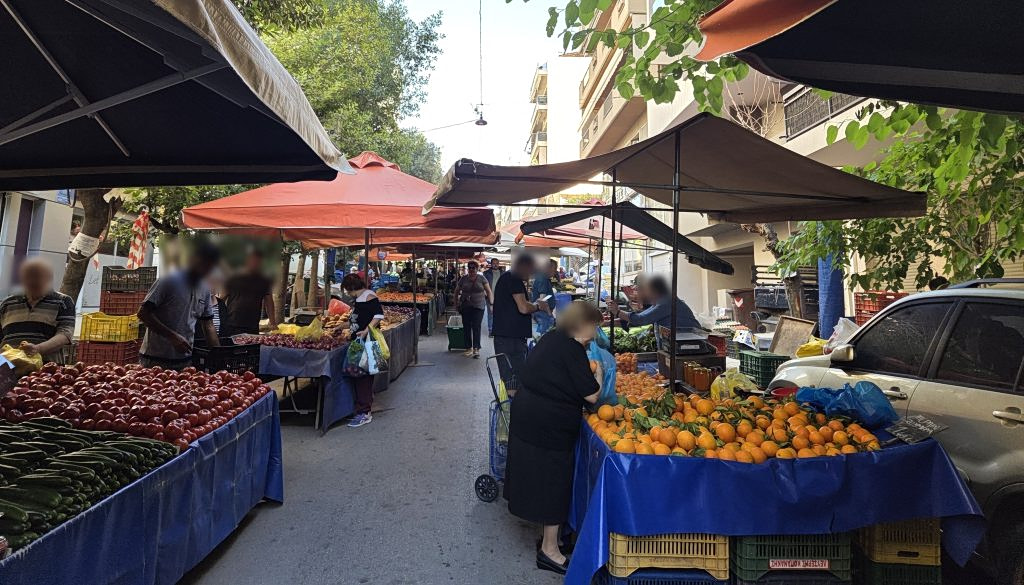
Traditional open-air markets in Greece, long regarded as one of the most affordable places to buy fresh produce, are facing weaker consumer demand despite relatively low prices. Vendors say shoppers are increasingly cautious with their spending, particularly in the second half of the month when household budgets become tighter.
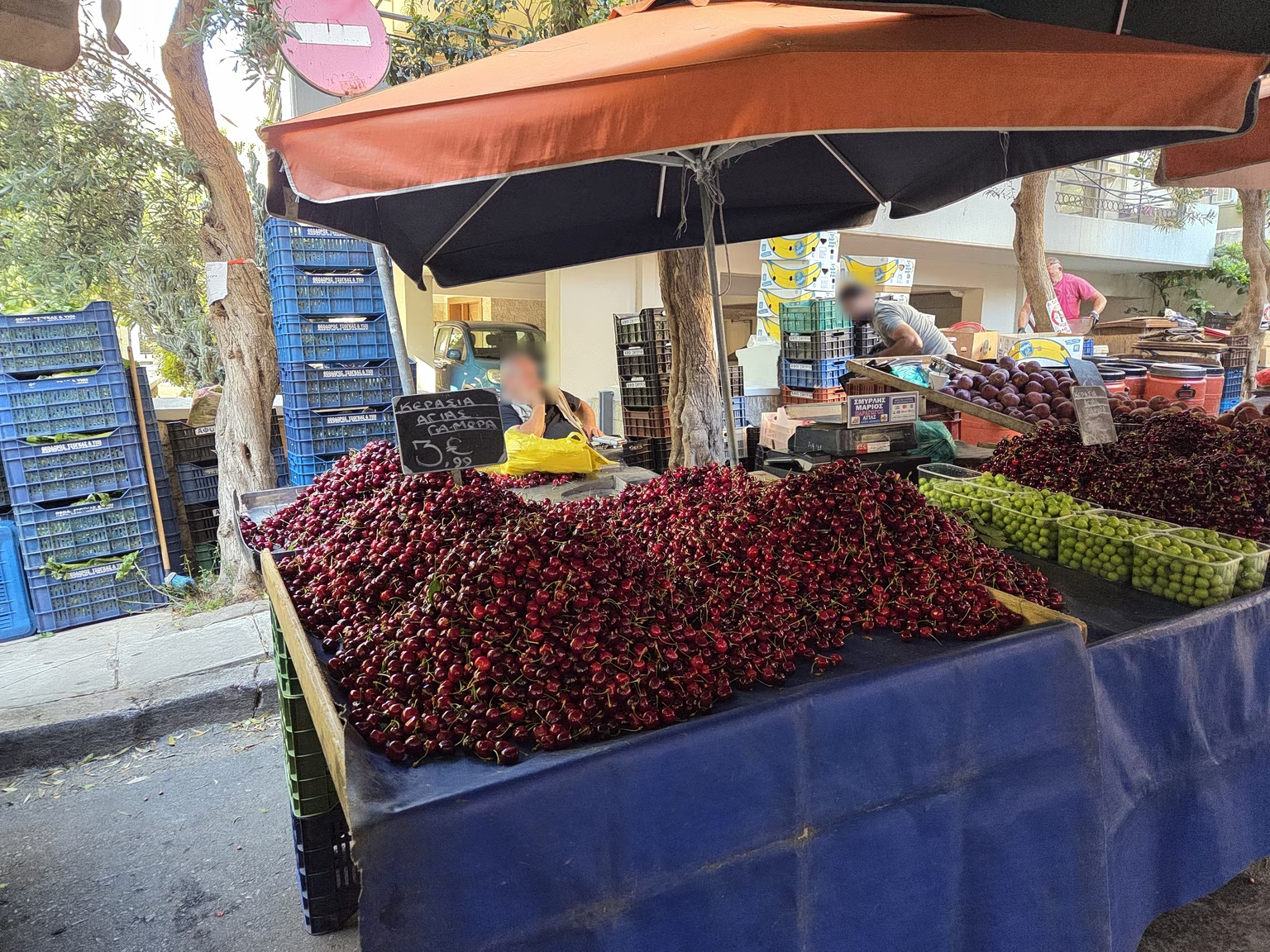
Both consumers and sellers report that economic pressures are changing shopping habits, with many households purchasing smaller quantities and focusing only on essential items.
Affordable Prices, Lower Demand
Market vendors say seasonal produce prices have fallen thanks to increased supply, helping keep many products affordable. Fresh cherries, strawberries, peaches, tomatoes, peppers and other fruits and vegetables are currently being sold at competitive prices.
However, lower prices have not translated into stronger sales.
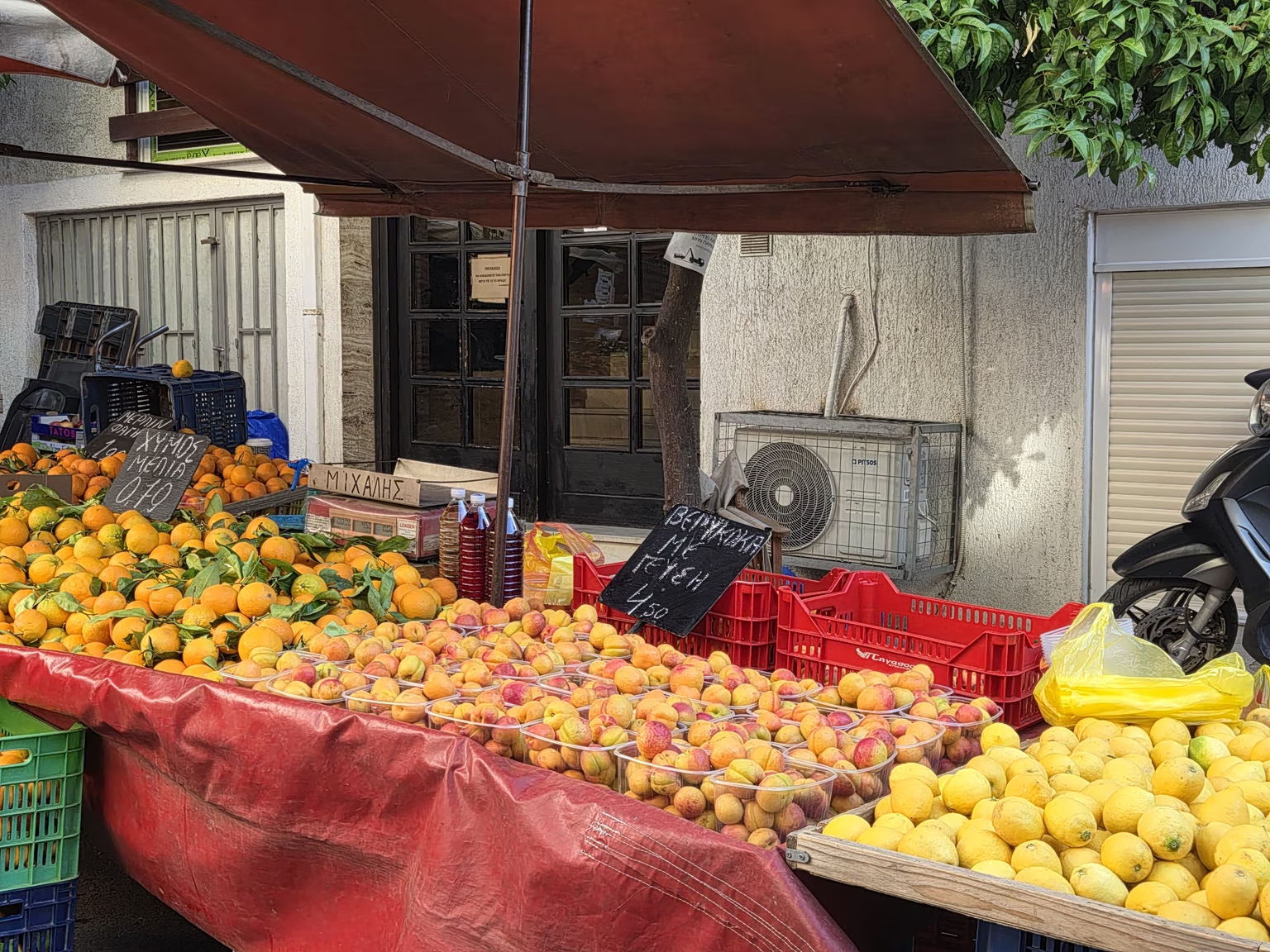
Many shoppers, particularly pensioners and lower-income households, say that even affordable food has become difficult to buy as overall living expenses continue to rise.
Consumers interviewed at a local market said they are satisfied with product quality and pricing but are increasingly forced to shop with strict limits. Several noted that while food prices may be stable, their incomes have not kept pace with the broader cost of living.
Vendors Feel the Pressure Too
Sellers say they are deliberately keeping margins low in an effort to support customers and maintain sales.
According to vendors, many families now shop once a week, while people living alone often buy only enough produce for a day or two. Some sellers admitted that certain products are sold with little or no profit because maintaining customer access to fresh food has become a priority.
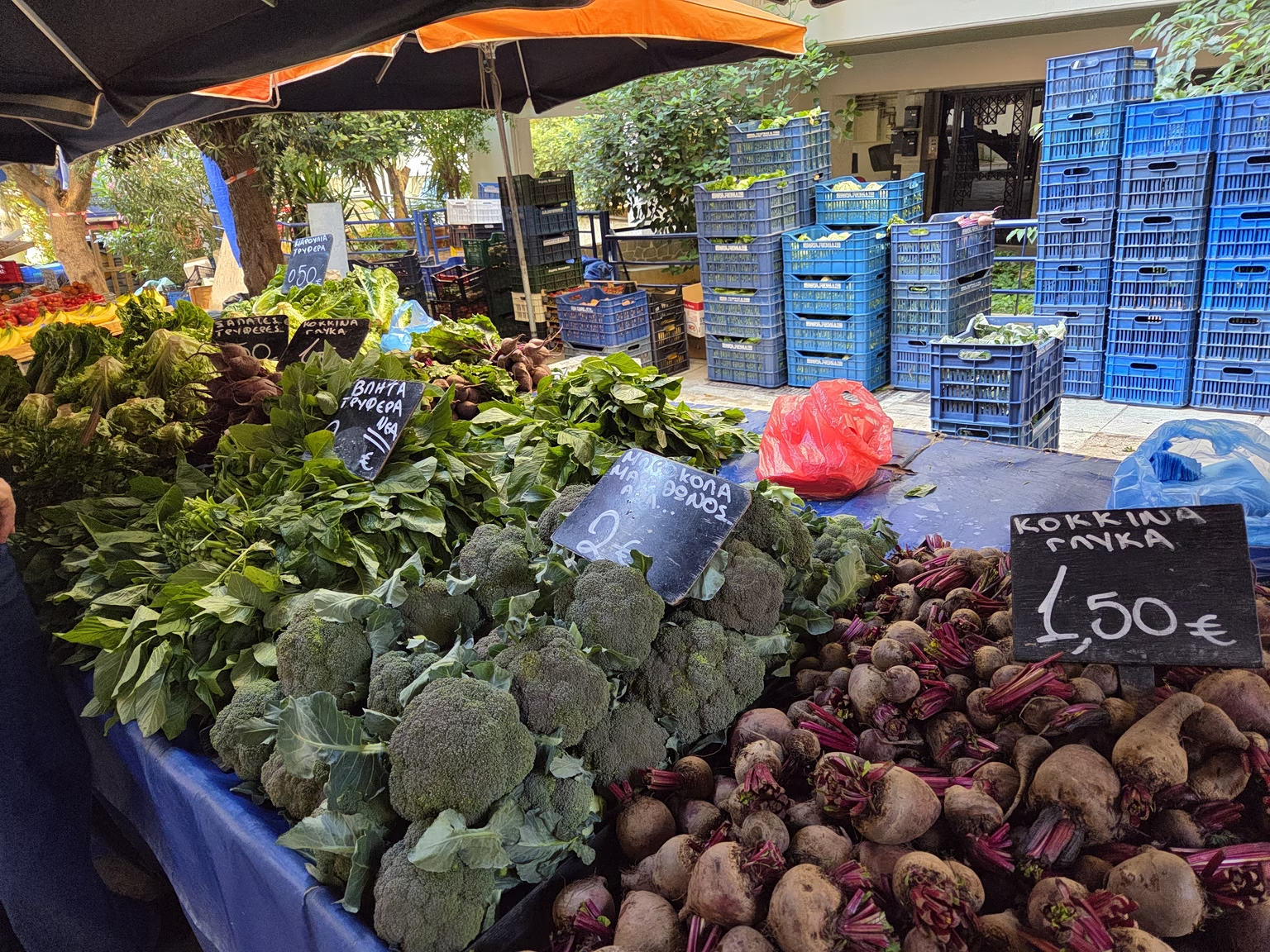
Market representatives described open-air markets as a refuge for consumers seeking lower prices compared with other retail options. They also highlighted strong competition between vendors as a factor helping to keep prices down.
Seasonal Produce Helps Reduce Costs
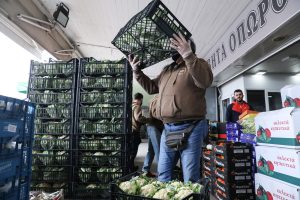
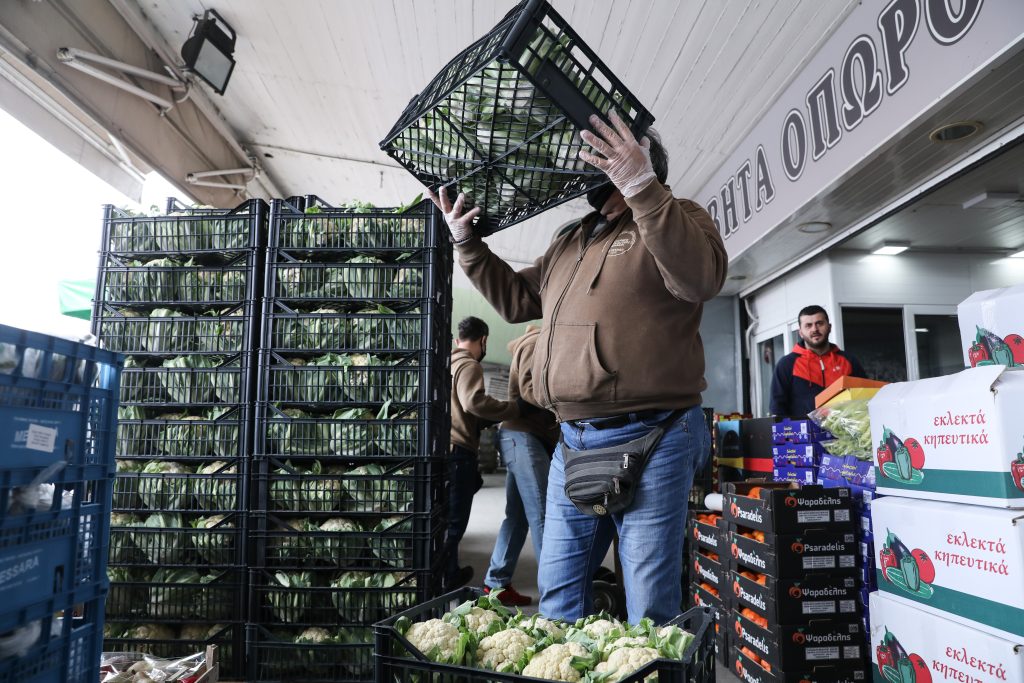
Industry representatives said prices for many seasonal fruits and vegetables are lower than they were a year ago. Products such as eggplants, peppers, zucchini, cabbage, cauliflower, cherries, watermelons and cucumbers are currently available at relatively modest prices.
They expect some prices to fall further as additional seasonal production reaches the market.
At the same time, vendors stressed that affordability remains tied to consumers’ purchasing power. Sales are generally stronger immediately after pensions and salaries are paid, before weakening as the month progresses.
Concerns Over Farming Costs
While food prices have eased in some categories, market representatives warned that producers continue to face rising costs for fuel, fertilizers and other agricultural inputs.
They argued that support for the agricultural sector is essential to maintain production levels and prevent future supply shortages. According to vendors, fewer producers are planting crops because of increasing operating expenses, raising concerns about the long-term sustainability of food production.