
 Μake us preferred on Google
 The United States and Saudi Arabia launched joint strikes on Iran-backed groups in Iraq on Wednesday, saying the targeted sites were linked to drone attacks on Saudi oil facilities, in a move that threatens to further escalate the conflict involving Iran.
The strikes came as diplomatic efforts to ease tensions over the Strait of Hormuz faltered, with Iran rejecting a proposal from Oman for joint regional management of the strategic waterway. At the same time, a U.S.-Saudi consortium announced progress on a $5 billion refinery project designed to strengthen Gulf energy infrastructure outside the strait.
US and Saudi Arabia Target Iran-Backed Groups
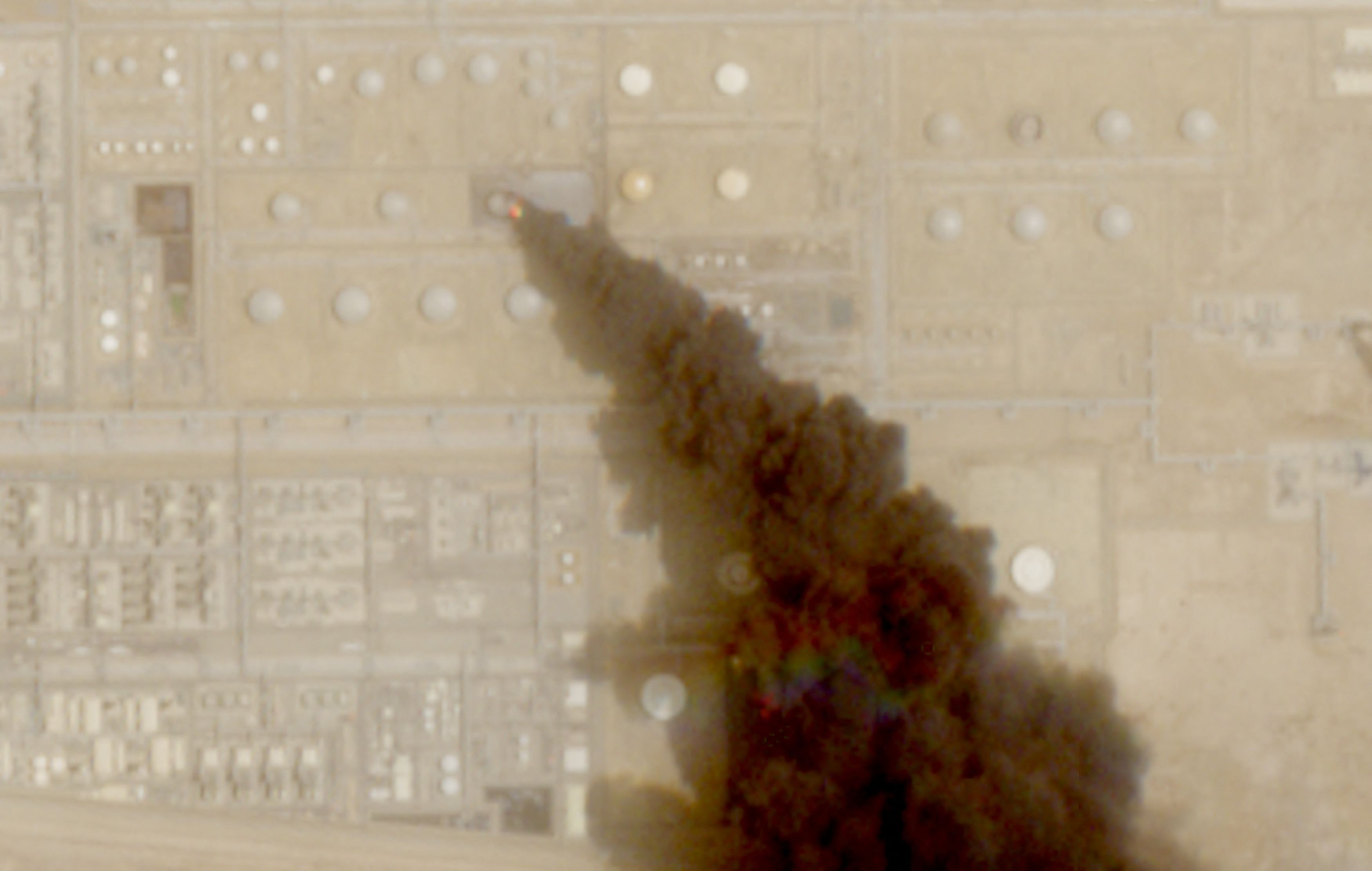
The joint military action followed drone attacks on Saudi oil facilities in the kingdom’s Eastern Province.
Saudi Arabia said its air defenses intercepted and destroyed several drones launched from Iraqi territory by Iran-backed militias. Saudi Defense Ministry spokesperson Turki al-Maliki attributed the attacks to Iran-backed groups operating in Iraq.
Later, U.S. Central Command and Saudi Arabia’s Defense Ministry said they struck multiple sites in eastern Iraq that they said had been used by Iran to direct the drone attacks.
Saudi Arabia said it was not seeking escalation but would respond to any “aggression.”
Iraq’s Popular Mobilization Forces (PMF) said several of its official headquarters in different parts of Iraq were hit by what it described as U.S. and Saudi forces. The PMF said preliminary reports indicated several people had been killed, others wounded, and multiple buildings and facilities damaged.
Iran Rejects Responsibility
Iran strongly denied any involvement in attacks on Saudi Arabia and warned against holding it responsible.
An unnamed Iranian defense official, quoted by state broadcaster IRIB, said blaming Iran for projectiles launched from other countries toward Saudi targets was a “major miscalculation.”
The Islamic Revolutionary Guard Corps (IRGC) said “the resistance will also continue” as long as threats against Iran and what it called illegal U.S. actions persist.
Earlier Wednesday, the U.S. military said its air defenses had intercepted an attempted surprise Iranian ballistic missile attack targeting American forces in the region.
The IRGC separately said it had fired several ballistic missiles at U.S. military installations in Jordan, while Jordan’s military said its air defenses intercepted and destroyed five Iranian missiles targeting the country.
The latest exchanges ended a brief lull in hostilities after President Donald Trump had abruptly halted a planned two-week U.S. bombing campaign and Iran appeared to pause its attacks.
Strait of Hormuz Dispute Deepens
Efforts to ease tensions over the Strait of Hormuz also stalled.
According to information given to Reuters from a senior Iranian official, Tehran rejected an Omani proposal backed by Gulf states for joint management of the strategic shipping lane, saying the plan had no chance of success.
The official accused the United States and Saudi Arabia of pressuring Oman to advance “unrealistic plans” for the waterway.
Under the proposal, Iran would share management of the strait with Oman, while ships would make voluntary financial contributions similar to arrangements used in the Strait of Malacca. A U.S. official said the proposed agreement would not include tolls or mandatory fees and reiterated that the Strait of Hormuz is an international waterway that should remain free of Iranian control or restrictions.
Iran, however, maintained that the inbound shipping route and part of the outbound lane should remain under its control and said a 50-50 management arrangement with Oman would not serve its interests.
The IRGC also said its naval forces struck three oil tankers in the Strait of Hormuz after the vessels allegedly ignored warnings and used what it described as an “unsafe and illegal route.” The Guards said the ships were forced to stop and warned that “unlawful U.S. military interference” in the region would not go unanswered. Reuters could not independently verify the account.
Oil prices rose by more than $3 per barrel following the U.S.-Saudi strikes, reflecting concerns that the conflict could spread further.
Iran effectively closed the Strait of Hormuz after U.S. and Israeli attacks on the country on February 28. A U.S.-Iran agreement reached last month partially reopened the waterway and envisioned further negotiations, but the deal collapsed in early July after Iran fired on vessels using a shipping channel it does not recognize.
Gulf Refinery Project Advances
Amid the continuing disruption to regional energy flows, the MERA Oil consortium of U.S. and Saudi companies announced that it has entered the final stage of selecting a site for a planned $5 billion integrated refinery and export corridor in the Gulf.
The project is being developed by Texas-based MWG Group, the Patel Family Office, and PWS, an associate company of Saudi industrial conglomerate AHQ Group.
The planned refinery will have a capacity of 200,000 barrels per day and will be connected to deepwater port infrastructure, large-scale crude and refined product storage facilities, and marine export terminals.
The consortium has narrowed its search to three locations within the Gulf Cooperation Council and expects to confirm the preferred host country by the end of 2026.
As reported in Reuters, according to MERA Oil, the facility will be located outside the Strait of Hormuz to provide direct access to international shipping routes while reducing exposure to disruptions in the strategic waterway.