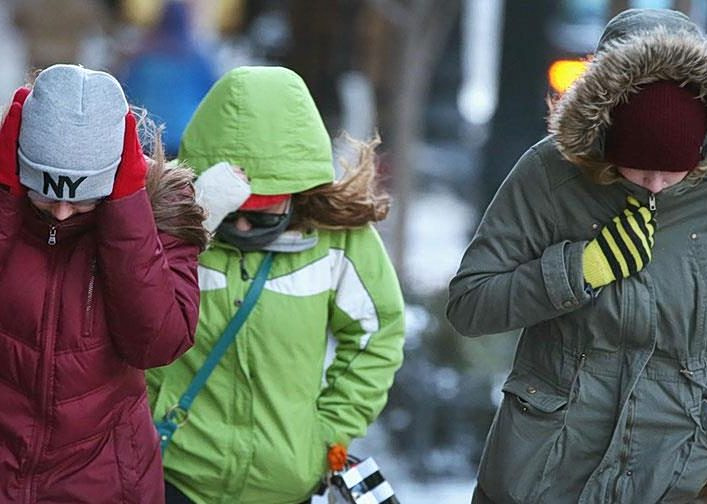
Snowfall, freezing temperatures and abrupt weather changes have become a familiar scene across many parts of Greece, creating striking winter landscapes while also making daily life more demanding. Beyond the visible impact, prolonged cold and sudden temperature swings can significantly affect human health.
When exposed to cold environments, the body works constantly to maintain its core temperature at around 37°C (98.6°F), a level essential for normal bodily functions. One of the main defense mechanisms is peripheral vasoconstriction, which reduces blood flow to the skin and extremities in order to preserve heat in vital organs.
However, extended exposure to low temperatures or an inability to regulate body heat effectively can have negative health consequences. Scientific studies have linked cold environments to a wide range of health problems that affect different population groups in different ways.
Skin, circulation and extremities
Cold-related skin injuries such as chilblains and frostbite are among the most common effects, particularly affecting hands and feet. Symptoms may include redness and itching, while more severe cases can lead to swelling or even skin ulcers.
The strain of sudden temperature changes
Rapid shifts in temperature—such as moving quickly from mild indoor conditions to near-freezing outdoor air—place additional stress on the body. These abrupt changes challenge the body’s thermoregulation mechanisms, forcing it to adapt in a very short time.
As a result, the cardiovascular system may be placed under increased strain, leading to fluctuations in blood pressure and worsening of existing respiratory symptoms. Such effects are particularly concerning for vulnerable groups, including older adults and people with chronic health conditions.
Sudden temperature changes are also associated with a weakened immune response, increasing susceptibility to infections and contributing to general fatigue.
Risks to heart and lung health
Cold exposure has a notable impact on the cardiovascular system. Vasoconstriction causes more blood to concentrate in the body’s core, raising blood pressure and increasing the workload of the heart. For people with pre-existing heart conditions, this can worsen symptoms during winter months and, according to studies, may even influence mortality rates.
People with chronic respiratory diseases, such as asthma or chronic obstructive pulmonary disease, are also at higher risk. Cold air cools and dries the airways, which can trigger inflammation and lead to symptom flare-ups.