A new round of price reductions on basic consumer goods in Greece is facing uncertainty as rising oil prices and instability in global energy markets put pressure on manufacturers.
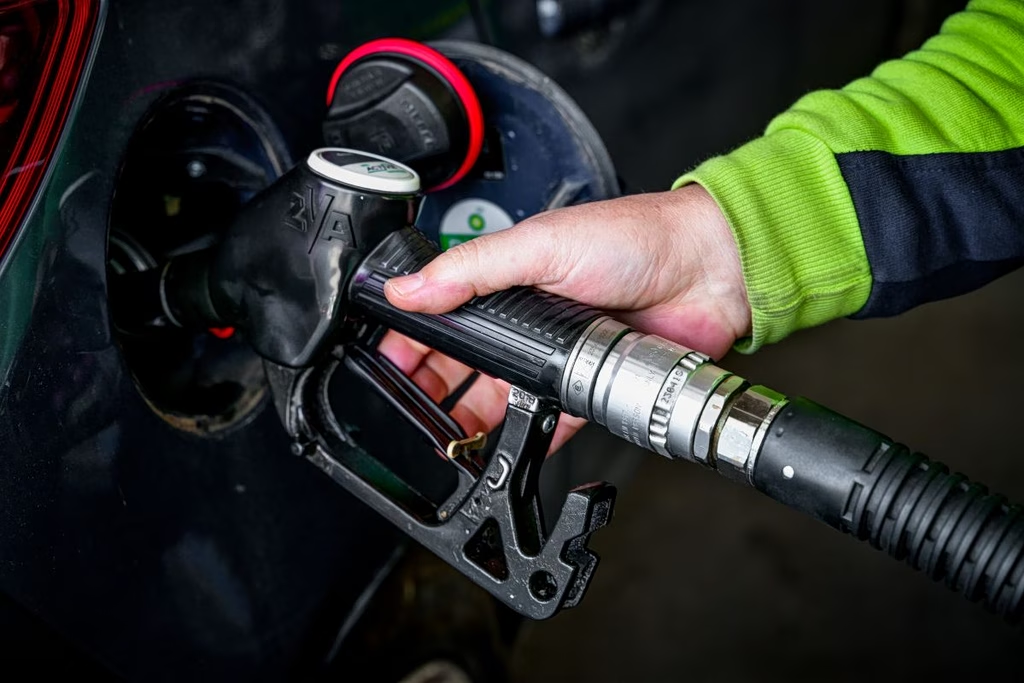
The ongoing conflict between the United States and Iran and the increase in oil prices — which recently exceeded $90 per barrel — have raised concerns in the consumer goods industry ahead of an agreement for new price cuts scheduled to begin on September 1.
Companies are expected to submit details by July 27 on which products will be included in the program and the level of reductions they plan to introduce.
Industry questions price commitments
Market sources have raised concerns over whether companies can accurately commit to specific price reductions months in advance, while energy costs remain unpredictable and could increase production expenses again.
“How can a company commit to the level of reduction it will make after two or three months, when energy costs may soon burden its operations again?” industry sources told Greek business news outlet OT.
The issue was also addressed by Prime Minister Kyriakos Mitsotakis during a meeting of the governing New Democracy party’s parliamentary group. He said that renewed tensions in the Strait of Hormuz had created a new unstable environment, leading directly to higher prices and additional pressure on households and businesses.
The government can create measures to limit the impact of imported inflation, Mitsotakis said, but such interventions cannot fully eliminate the problem.
Price cuts expected despite concerns
Industry representatives said companies remain committed to implementing the planned reductions, but warned that the timetable is extremely tight.
According to market sources, the average reduction is not expected to exceed 6% to 7%, given the current economic pressures.
However, ensuring that consumers see lower prices on essential products in supermarkets from September 1 remains a key priority.
The planned price reductions are considered a challenging task, as businesses attempt to balance commitments to consumers with the uncertainty created by rising energy costs and international developments.