 Μake us preferred on Google
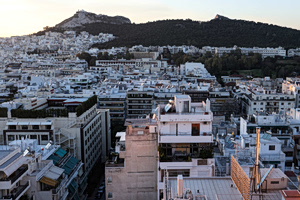
 Athens is a city of contrasts, and that’s no longer just a figure of speech. Despite its rich history, unique climate, and vibrant daily life, the Greek capital ranks 50th, dead last, in a global quality of life index of the top 50 cities.
Deutsche Bank’s 2026 report highlights a stark contradiction between the city’s appeal to tourists and the tough economic reality facing its permanent residents. Rents and fuel costs are derailing household budgets, and everyday life is becoming increasingly difficult to sustain.
For visitors, Athens remains an attractive destination with great weather, lively nightlife, and relatively affordable prices. For residents, though, the city has turned into an expensive trap. Deutsche Bank’s annual “Mapping the World’s Prices 2026” report puts numbers to that gap between what the average Athenian earns and what they have to spend.
The wage gap
The root of the problem starts with income. According to Deutsche Bank’s 2026 data, the average net monthly salary in Athens stands at €1,153. That figure marks a nominal rise of 47.6% over seven years (from €781 in 2019) and 61.3% over a decade (from $715 in 2016), yet purchasing power remains extremely limited.
Compared to New York, the global benchmark for wages, the average net salary in Athens amounts to just 24% of New York’s. Athens ranks 55th out of the 69 cities in the sample, trailing even Central European cities like Prague (wages up 121% over the past decade) and Budapest (+161%). The wage convergence seen in other former Eastern Bloc countries hasn’t happened in Greece, leaving Greek workers with pay that can’t keep pace with global inflation.
New York prices at Greek cafés
If Athens’ wages suggest a developing economy, its everyday prices look like those of the wealthiest Western societies. Take the classic Greek pastime: coffee.
A cappuccino in Athens ranks 40th most expensive worldwide, nearly matching the price in Paris. To put that in perspective, an Athenian pays almost the same for a coffee as a New Yorker, but on roughly a quarter of that income. The same imbalance shows up elsewhere: dinner for two at a mid-range restaurant with wine, cinema tickets, taxi and public transport costs, and a basic clothing purchase comes to about €100 in Athens, ranking 41st globally.
Meanwhile, basic monthly utility bills (electricity, heating, water) for an 85-square-meter apartment run around €175, a disproportionate burden on household budgets.
The housing wound
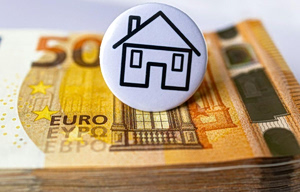
The heaviest blow to Athenian households comes from housing costs. The surge in short-term rentals, lack of new construction, and broader real estate crisis have pushed Athens rents to levels unjustified by the local economy.
While renting an apartment in Athens remains cheaper in absolute terms than in New York (the world’s benchmark for high rents), the rent-to-salary ratio is dramatic. On Deutsche Bank’s index measuring disposable income after rent, Athens ranks among the lowest in the world.
Cities like Luxembourg, Copenhagen, and Frankfurt manage to preserve high disposable income for residents despite housing costs, but in Athens rent devours most of a salary, leaving the average worker with little left for food, clothing, transport, or leisure after covering housing and basic bills.
Fuel is no better: a liter of gasoline in Athens costs 209% more than in New York, making it the 9th most expensive city in the world on that measure.
Only the climate holds up
Athens scores poorly on safety and healthcare, posts middling results on traffic, but keeps an excellent climate profile that boosts its overall ranking.
Still, the report stresses that “liveability” is a highly subjective term. For a tourist or a foreign-salaried digital nomad, Athens is an affordable paradise with great weather and cheap dining by their standards. For a resident earning the average Greek wage, daily life becomes a constant struggle where the climate’s advantages are overshadowed by the inability to cover basic monthly needs.
The report points to a real risk: Athens could become a “two-speed” city, where residents are priced out of their own neighborhoods by rents and shut out of the city’s social and cultural life. The overreliance on real estate and tourism is both the driving engine and the deepest open wound of the Greek economy, directly shaping residents’ daily lives and explaining why the capital’s residents face “New York expenses” on “Athens wages.”