 Μake us preferred on Google
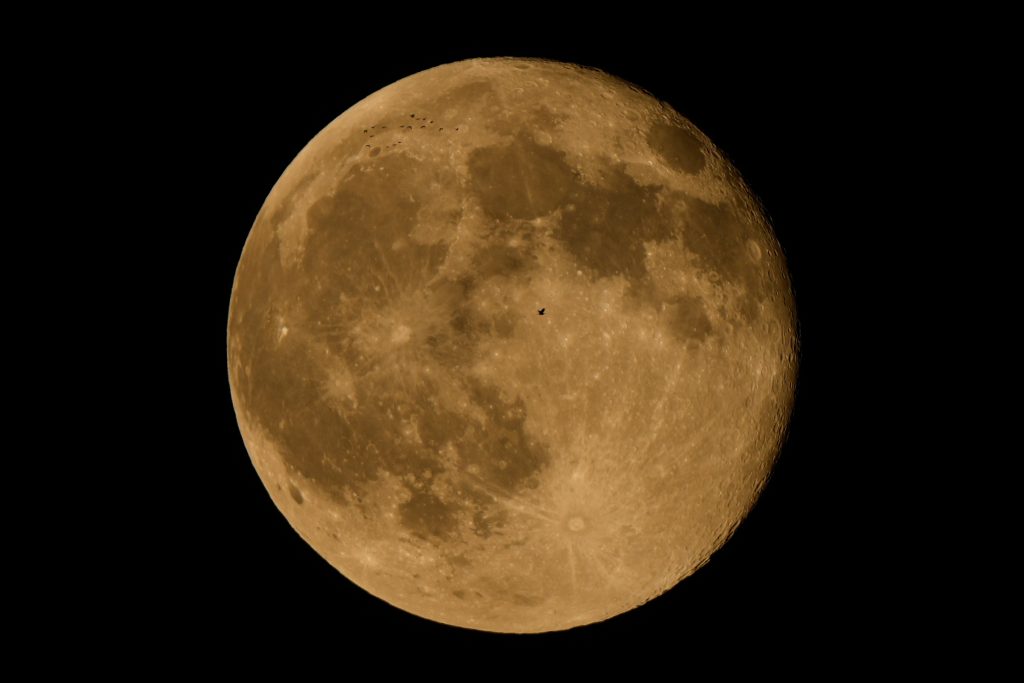
 An impressive celestial event will grace the skies tonight, Wednesday, November 5, 2025, as the largest and brightest full moon of the year makes its appearance. Known as the “Beaver Moon”, this month’s full moon will shine spectacularly, appearing 8% larger and 16% brighter than usual.
For around 15 to 20 minutes, the moon is expected to glow with a distinct orange hue as it passes through the densest layers of Earth’s atmosphere. At that time, it will be at its perigee — the closest point in its orbit around Earth — just 356,500 kilometers away. Astronomers note that this marks the second supermoon of 2025.
Why It’s Called the “Beaver Moon”
The name “Beaver Moon” originates from North American tradition, marking the period when beavers were busiest building their winter dams under the light of the full moon. For many ancient cultures, the November full moon symbolized introspection and closure, the end of one cycle before winter’s arrival.
In Greek folklore, the autumn full moon traditionally signaled the coming of winter and was associated with fertility, harvest, and renewal, especially for crops like olives.
The Moon in Greek Mythology
In Greek mythology, the moon — known as Selene — was often depicted as a female deity, sister to the Sun (Helios) and the dawn (Eos). One myth tells of constant quarrels between the celestial siblings, leading their mother to curse them never to appear together in the sky — explaining why day and night are forever apart.
Another version portrays the Sun and Moon as husband and wife, with the stars as their children. Traditional Greek songs, such as the Epirus wedding song, even recount their mythical union:
“The Sun was wed and took the Moon,
The stars were guests, the clouds their bed.”
A Night to Watch the Skies
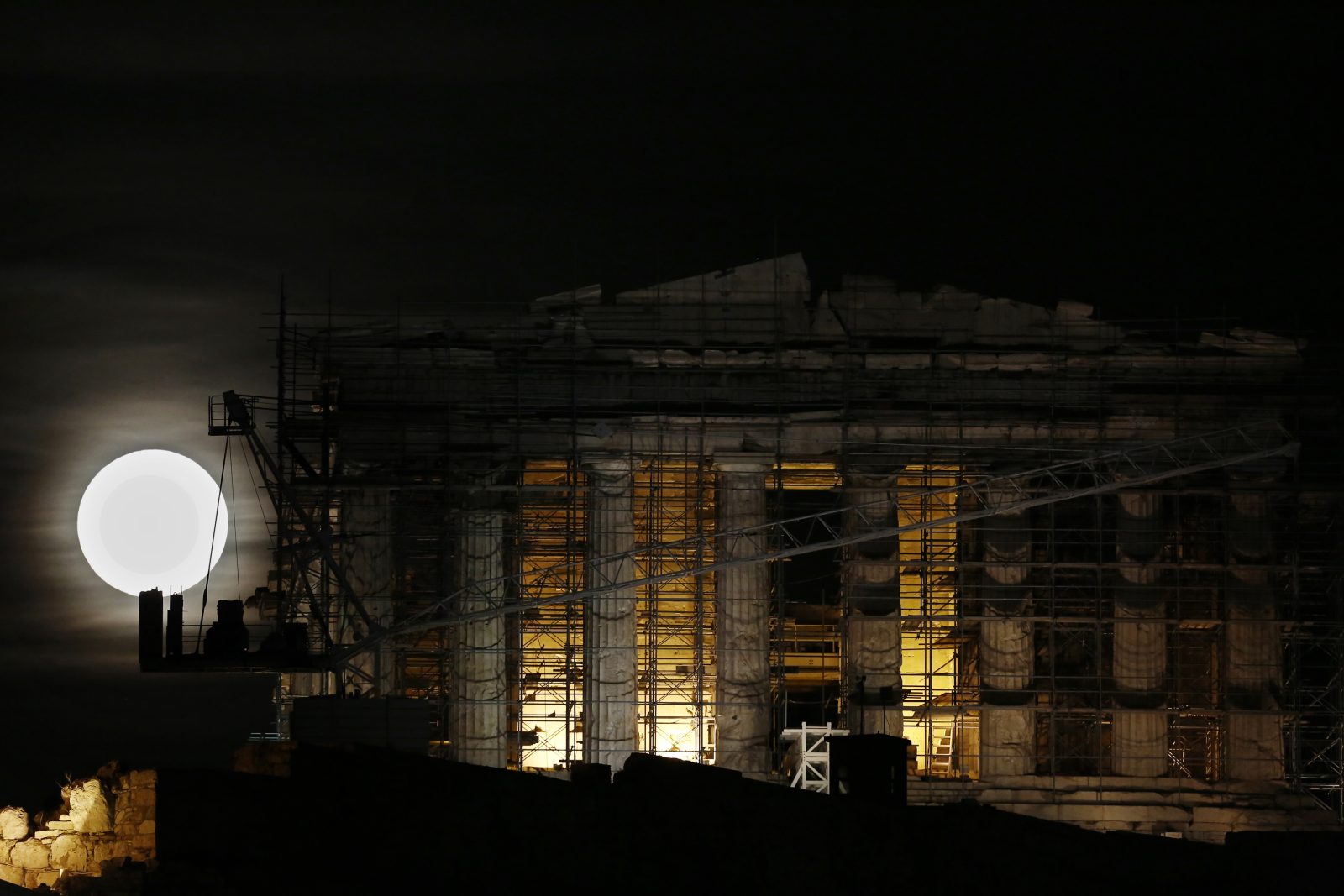
Whether viewed as a symbol of myth or science, tonight’s full moon promises to be an awe-inspiring spectacle. Stargazers are encouraged to find a clear spot away from city lights to witness the golden-orange glow of November’s Beaver Moon — a reminder of nature’s rhythm and the timeless bond between Earth and sky.