Statistics for 2025 show that a fifth consecutive year of growth in organ donation and transplantation in Greece, with the number of transplants rising 23% from the previous year, according to the National Transplant Organization (EOM).
The country’s leading intensive care units (ICUs) played a central role in identifying and managing organ donors. Sotiria General Hospital recorded the highest number of utilized deceased donors, with 19, while Attikon University Hospital achieved the highest organ recovery rate, procuring 40 organs from 17 donors. KAT Hospital, Evangelismos, Korgialeneio Benakio, Papanikolaou Hospital in Thessaloniki and the university hospitals of Ioannina and Patras were also among the top-performing health centers.
The eight ICUs accounted for 88 of Greece’s 137 deceased organ donors in 2025, underscoring the importance of specialized transplant coordinators and intensive care teams in the donation process.
EOM data show that 137 deceased donors enabled 285 life-saving organ transplants last year. Together with 93 living kidney and liver donors, a total of 388 patients received transplants.
The average donor was a 56-year-old man, while half of all donors were over 60. Cerebral hemorrhage was the leading cause of death among donors, followed by traumatic brain injuries and ruptured brain aneurysms.
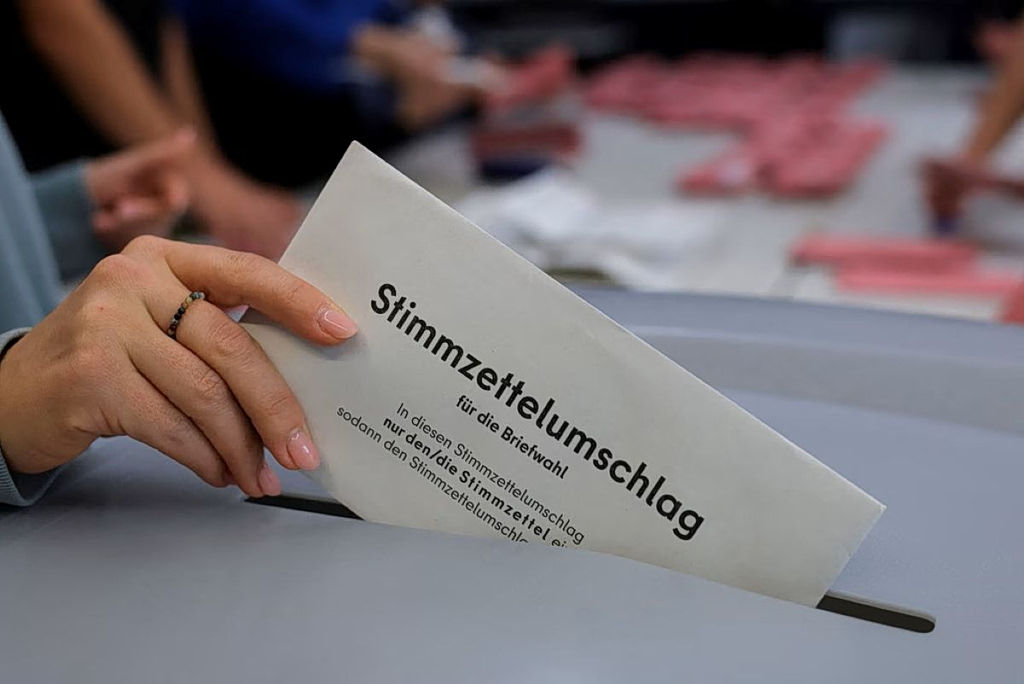
Despite the steady improvement, family consent remains a major challenge. Relatives declined organ donation in 91 potential donor cases during 2025, representing about 30% of all eligible donations. In just over half of successful cases, the initial discussion about donation was initiated by ICU physicians or local transplant coordinators, while nearly one-third began at the family’s own initiative.
EOM President Georgios Papatheodoridis said the country must continue expanding its donor pool to reach at least 200 deceased donors annually by 2030, bringing the country closer to the European average.
The organization also reported that a nationwide digital awareness campaign last October, which sent 3.5 million messages informing citizens about organ donation, added 22,000 new registrations to the National Organ Donor Registry, increasing the total to 57,000.
Organ donation has been on a sustained upward trajectory in Greece after years of lagging behind European averages.
Over the past year, reports show that the east Mediterranean country achieved record transplant activity in 2024 and continued to build on that momentum through improved ICU coordination, expanded transplant infrastructure and public awareness campaigns. Officials have credited the digitization of the national donor registry and large-scale government outreach campaigns with boosting public participation, while emphasizing that Greece still trails the EU average in donors per million inhabitants and must continue strengthening hospital networks and public trust in the transplant system.