 Μake us preferred on Google
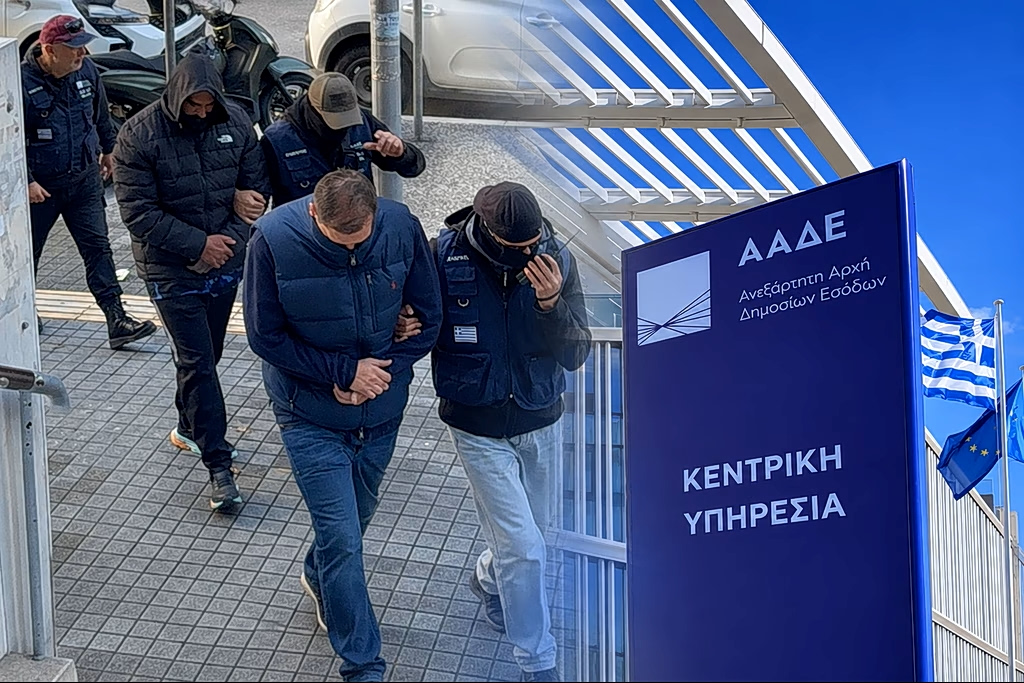
The Athens prosecutor’s office has brought six felony charges against the suspects, including forming and participating in a criminal organization, tax evasion, fraud and attempted fraud against the state, forgery and money laundering.
The charges follow identification and fingerprinting procedures.
According to the Independent Authority for Public Revenue (AADE), the alleged network operated through eight front companies that exchanged high-value fictitious invoices to conceal taxable transactions and evade tax obligations.
The scheme allegedly involved withholding value-added tax (VAT), issuing fictitious invoices and submitting inaccurate tax returns.
More than 28 million euros in taxable income was allegedly concealed, including 13 million euros in income tax and 15 million euros in VAT. The network also allegedly obtained fraudulent tax refunds totaling 4.8 million euros.
Among those arrested are four accountants and two bank branch managers. The latter are suspected of facilitating large cash withdrawals from company accounts in exchange for payments reportedly exceeding 100,000 euros per withdrawal. The accountants are being investigated over their alleged role in issuing fictitious invoices and handling tax returns.
Authorities also identified nominal company managers who allegedly lacked the financial means or genuine business activity to justify transactions worth millions of euros.
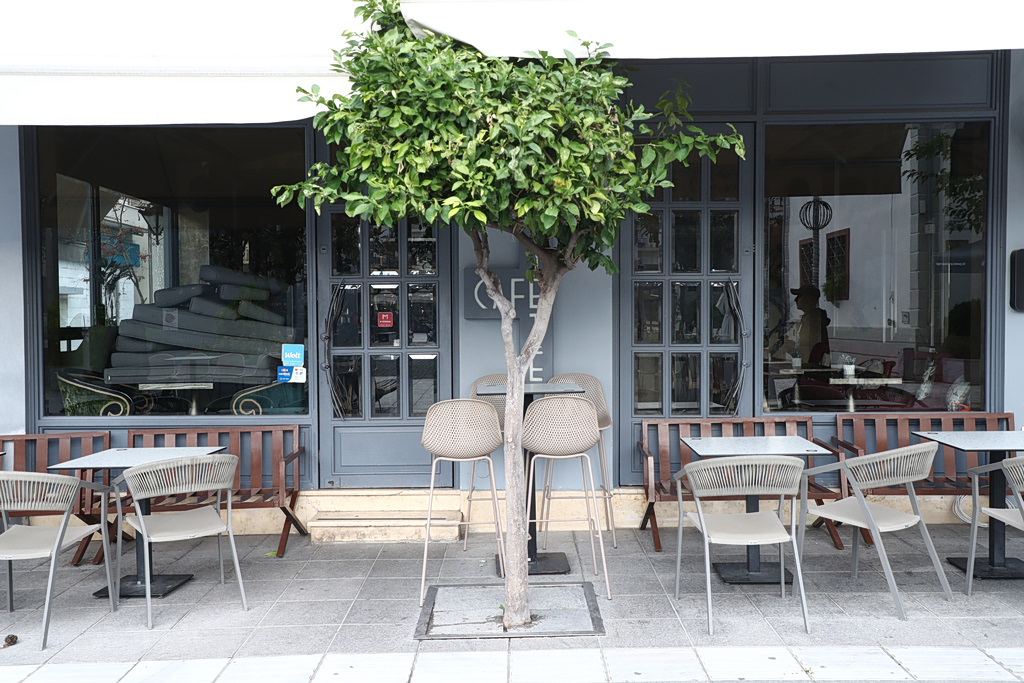
A coffee shop in central Athens reportedly served as a technical support center for the network, facilitating electronic tax submissions. The business was subsequently transferred to a nominal owner, allegedly to conceal the network’s activities.
AADE used the so-called Jaccard algorithm, a digital data-analysis tool that identifies similarities and connections between companies, individuals and transactions, to help uncover the network. The investigation remains open.
Horiatiko, Pizza Fan and shell companies
The case comes amid several major investigations into alleged business and tax fraud across Greece over the past three months.
The Horiatiko case concerns an alleged network of companies operating in sectors including bakeries, restaurants, hotels, nightclubs and beach bars. Authorities have estimated potential losses to the state and social security system at approximately 100 million euros. Hundreds of companies and individuals have come under scrutiny, with assets worth approximately 40 million euros reportedly sequestered.
The Pizza Fan investigation concerns allegations that specialized software was used to record one in every four cash-paid orders as a complimentary meal, concealing sales and avoiding VAT payments. Potential tax losses have been estimated at more than 35 million euros. More than 120 people have reportedly faced charges, including the chain’s owner and franchise managers. Following a temporary shutdown, 107 of its 109 outlets reopened on November 11 after two corporate bank accounts were unfrozen.
A separate investigation in Thessaloniki uncovered alleged links among 380 businesses and 205 individuals associated with approximately 43 million euros in debts to the state. AADE used the Jaccard algorithm to identify connections through company directors, shareholders, registered addresses, accountants and bank accounts.