 Μake us preferred on Google
Greece along with 4 other European countries- the Netherlands, Austria, Germany, and Denmark – have spearheaded an initiative to tackle migration in the region through the establishment of migrant return hubs. The plan aims to transfer migrants, who have exhausted all legal avenues to remain in the bloc to third countries, with Rwanda emerging as the proposed destination for such a facility.
The scheme applies to rejected asylum seekers within the five participating countries. The initial pilot and testing phase will involve the return of single men, while diplomatic sources told AFP that the hub is expected to accommodate approximately 100 people, potentially allowing each of the five participating countries to send around 20 people.
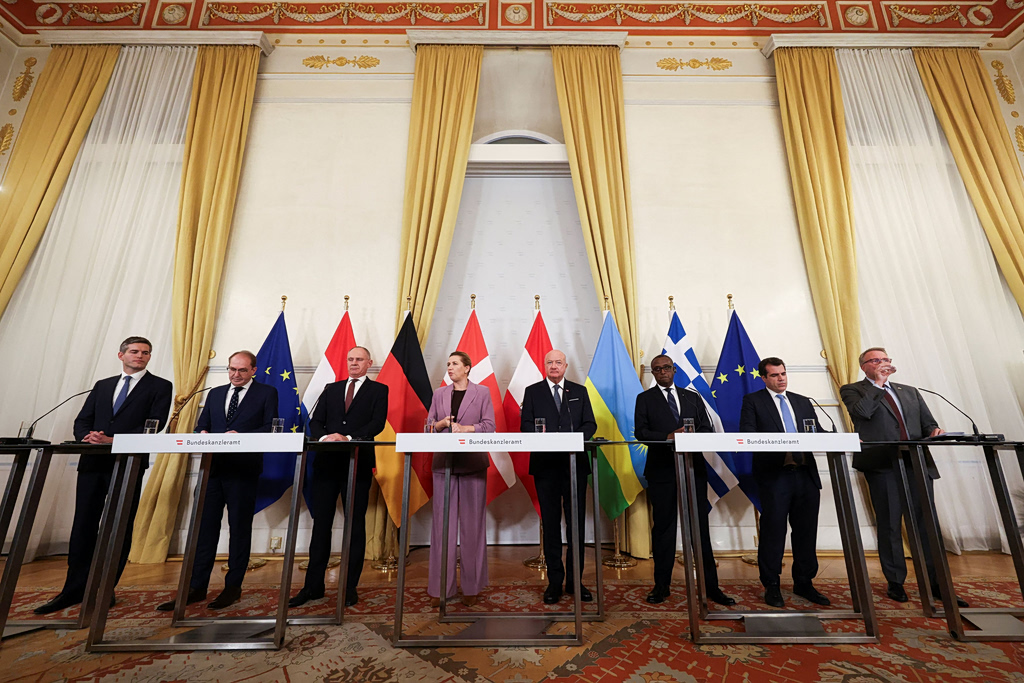
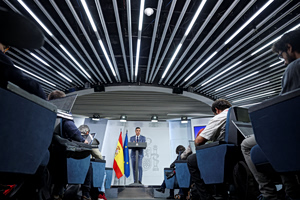
Danish Prime Minister Mette Frederiksen, Austrian Chancellor Christian Stocker, Interior Minister Gerhard Karner, German Interior Minister Alexander Dobrindt, Greece’s Minister for Asylum and Migration Thanos Plevris, Denmark’s Minister for Immigration and Integration Morten Boedskov, Dutch Foreign Minister Tom Berendsen and Rwanda’s Interior Minister Vincent Biruta attend a press conference in Vienna, Austria, November 16, 2026. REUTERS/Leonhard Foeger
Under the proposed arrangement, those transferred to Rwanda, would be given the ‘opportunity’ to integrate into Rwandan society, voluntarily return to their countries of origin, or travel to another country that they can legally enter. Yet, the question remains, when a person has fled their country for any reason, what does voluntary return even mean..?
The initiative comes against the backdrop of the adoption of the EU Return Regulation, which seeks to establish “a common system for the return of third-country nationals staying illegally in the Union”. This forms part of broader EU effort to tighten migration rules and curb irregular migration, further reinforced by the European Commission’s decision to strengthen the role of the European Border and Coast Guard Agency (Frontex) in deportation operations.
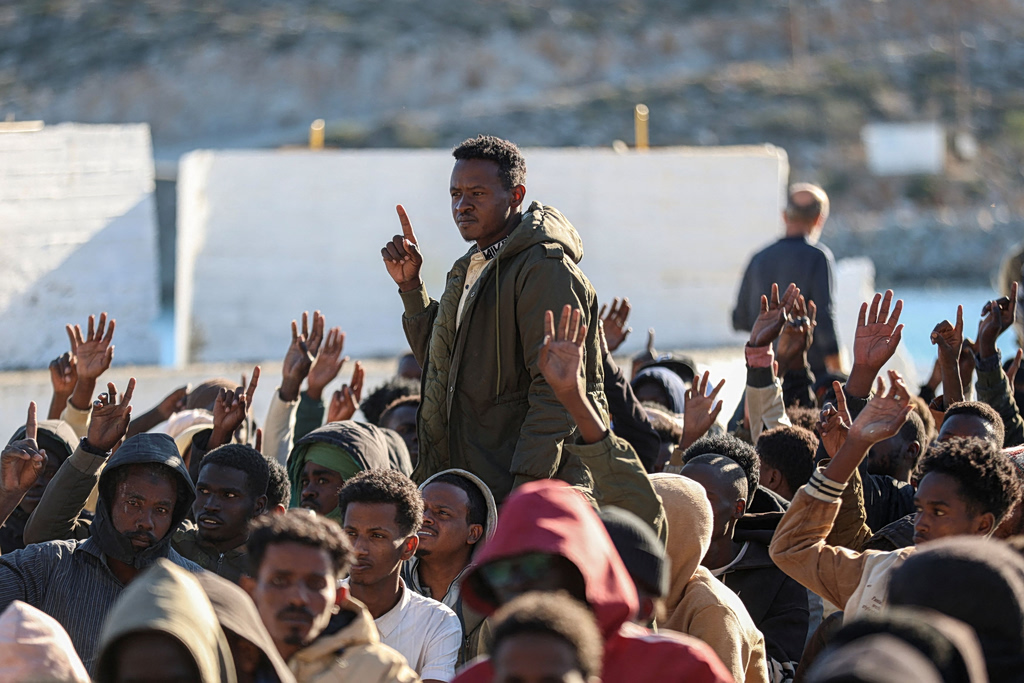
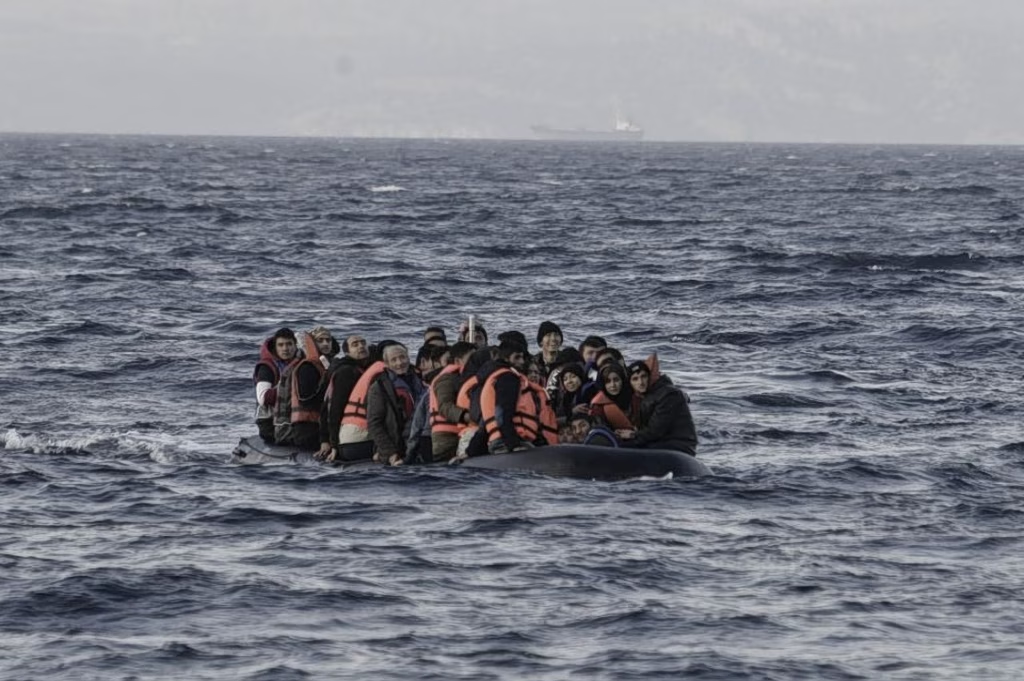
Migrants raise their hands as they are gathered following a rescue operation, at the port of Kaloi Limenes, on the island of Crete, Greece, November 9, 2026. REUTERS/Stefanos Rapanis TPX IMAGES OF THE DAY
The groundwork for the initiative was laid in September, during a meeting of the Core Group in Copenhagen attended by Greek Migration and Asylum Minister Thanos Plevris and his counterparts from Denmark, Germany, Austria and the Netherlands.
The participating countries have described the arrangement as an “equal and mutually beneficial partnership” between Rwanda and the five countries. Rwanda’s Interior Ministry has also stated that the parties are working closely with international partners, including the European Commission, the International Organization for Migration (IOM) and the UN Refugee Agency (UNHCR), to ensure that the process is lawful, ethical and consistent with international human rights law.
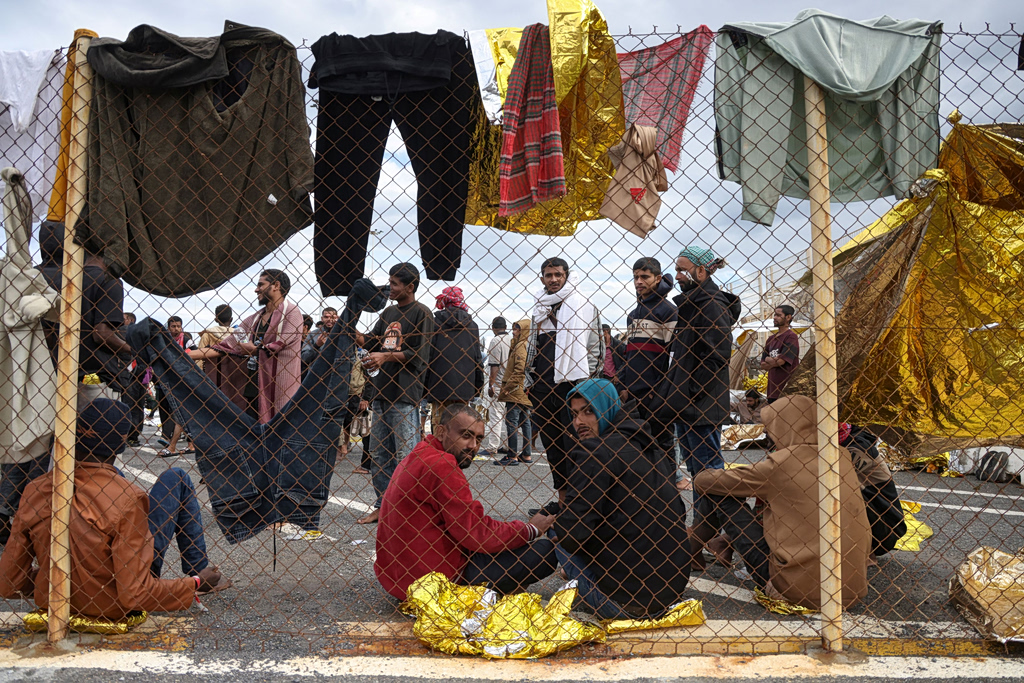
Migrants who arrived recently on the island of Crete following a separate rescue operation gather in their temporary encampment at the port of Heraklion, Crete island, Greece, November 2, 2026. REUTERS/Stefanos Rapanis
Although the initiative is progressing at a relatively fast pace, with an initial trial phase planned for early next year, technical issues, guidelines and procedures have yet to be publicly outlined. This leaves important questions unanswered, particularly regarding oversight, transparency and accountability.
In an interview with TO VIMA International Edition, Professor Maria Gavouneli, President of the Greek National Commission for Human Rights, acknowledged that atleast based on the information currently available, the scheme appears lawful when examined point by point. Nevertheless, while expressing that the answer on legality is not a black-or-white matter, she stressed deep concern over its implications, “we are actually treating people like merchandise, we are putting them in a plane and we are transferring them from one side of the world to another, in a part of the world where they have absolutely no connection with…. How different is that from what all these traffickers are doing? I’m deeply worried about that”
Greece and the European Crisis
For Greece, this development is of particular interest, especially as the only participating Southern European country. The participation also comes at a time when Southern European countries have been expressing concerns over migration, amid the growing electoral support for far-right parties and developments such as the Ceuta crisis.
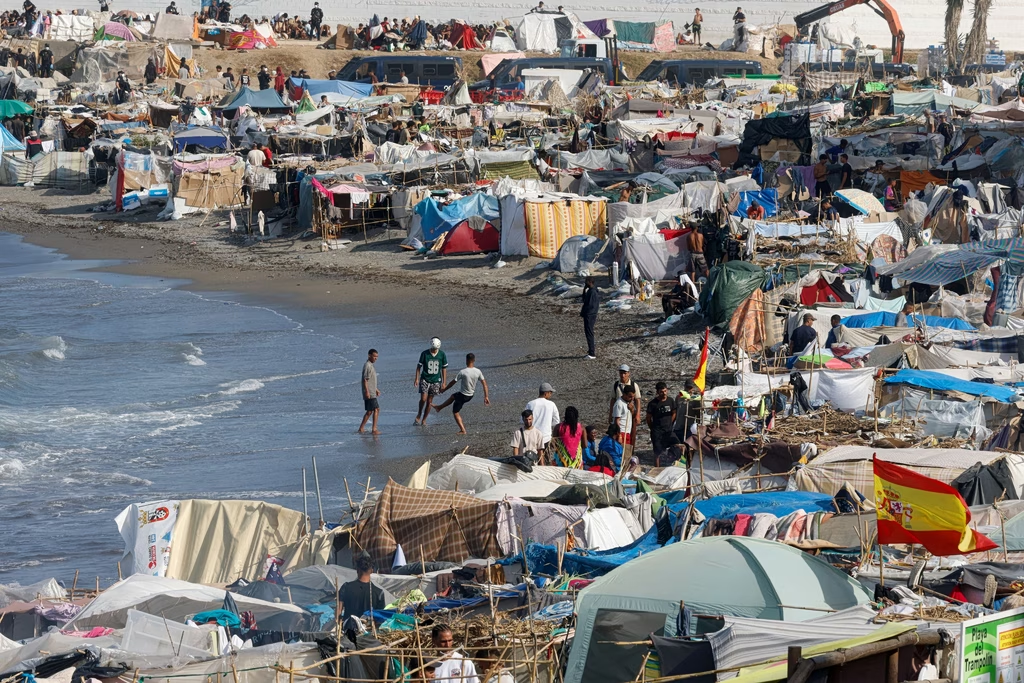
Migrants play with a ball surrounded by tents at the Trampolin beach, following the mass crossing of migrants from Morocco in Ceuta, Spain, September 19, 2026. REUTERS/Jon Nazca TPX IMAGES OF THE DAY
This comes amid a broader political shift across Europe, with centrist governments increasingly tightening immigration policies ahead of upcoming elections in an effort to counter the growing electoral appeal of far-right parties. As an ECFR article observes, “third states are controlling migration flows while the far right is controlling migration discourse”.
While Rwanda has been chosen a safe ‘hub’ for migrant returns, it is of particular interest to mention that neither Greece nor Austria, have a resident ambassador in Rwanda, with its diplomatic representation instead falling under the responsibility of their respective ambassador to Kenya.
Greek Migration Minister Plevris has emphasized that the proposed model would operate in full compliance with European and international law, while leaving open the possibility of pursuing bilateral agreements to establish similar facilities. Beyond the return hub initiative, Plevris and his Rwandan counterpart also met in Athens, signaling an effort to strengthen bilateral cooperation on managing migration flows.
The Danish prime minister has described the initiative as a “game changer,” arguing that it would “break down the business model of human rights smugglers,” and help governments regain control of their borders and remove incentives for irregular migration.
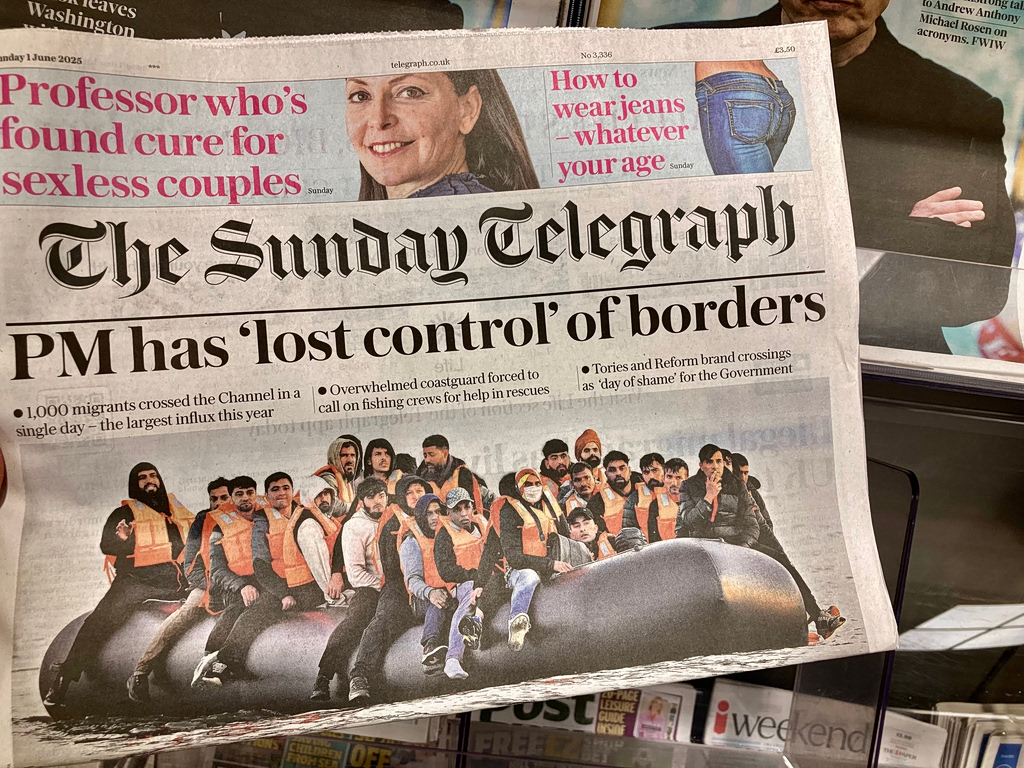
Nottinghamshire , UK 01 June 2025 : UK newspaper concern Labour government has lost control of borders , while 1200 illegal migrants crossed the Channel in a single day. Steve Travelguide/Shutterstock
However, the question of whether transferring people outside the EU will discourage migration remains contested. As Roberto Forin of the Mixed Migration Centre, told The Independent: “Enforcement changes how people travel, not whether they travel.”
The Conflicting Choice of Rwanda
The choice of Rwanda should draw particular interest due its conflicting character and the country’s human rights record and its previous involvement in similar arrangements. Rwanda, following the end of the genocide in 1994, has made important strides and efforts to improve its profile and status on the international stage, by involving itself in different initiatives. For example, the announcement of Formula Ones plan to return to Africa with a Grand Prix in Rwanda early in the next decade.
At first glance, Rwanda may appear attractive and ‘safe’, especially considering its global ranking of 41st in Transparency International’s latest Corruption Perceptions Index. However, Rwanda is directly linked to allegations of human rights abuses. The UN Working Group on Arbitrary Detention, as cited by Amnesty International, noted in 2026 that Rwandan authorities suppress opposition and prosecute political opponents. The country has also faced persistent accusations of repression.
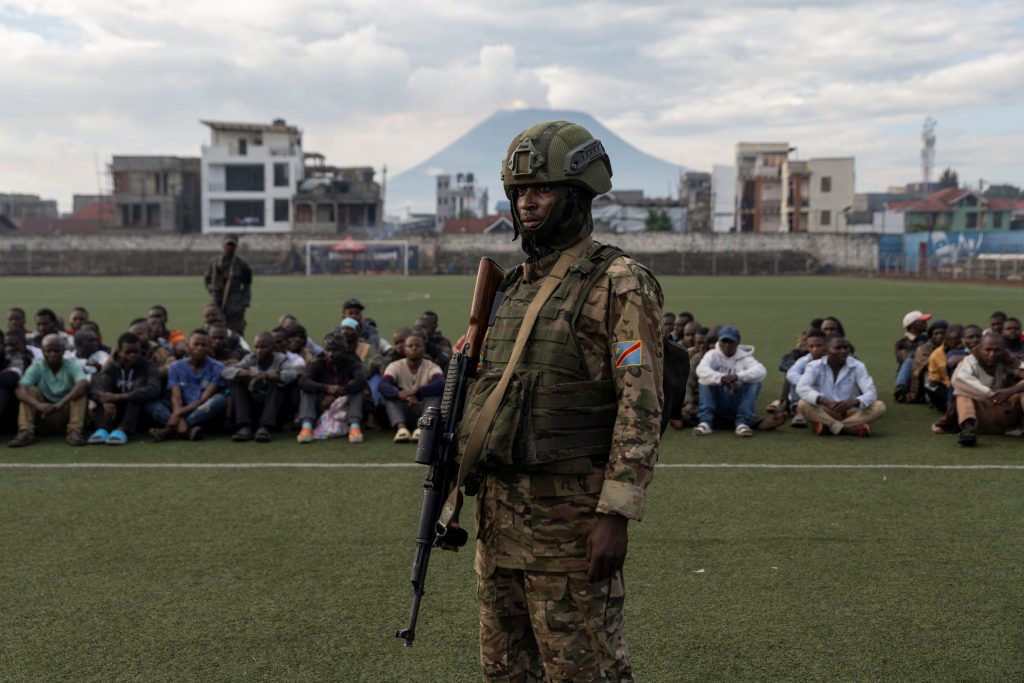
A M23 rebel stands guard at the the Unite stadium as members of the armed forces of the Democratic Republic of the Congo (FARDC) and Wazalendo troops wait to be taken aboard trucks for training by M23 rebels, in Goma, North Kivu, Democratic Republic of Congo, May 10, 2025. REUTERS/Arlette Bashizi
Beyond the domestic accusation, Rwanda has been directly linked to the active rebel group, M23, in the Democratic Republic of Congo, who is responsible for human rights violations amounting to war crimes and crimes against humanity. In October, the United States announced sanctions against Rwanda’s Ministry of Defense over its destabilizing activities. Rwanda has consistently denied the accusations relating to the M23 group, yet research has indicated possible implications. Considering these accusations, the European countries need to place particular importance on this issue, to ensure the safety of migrants planned to be transferred to Rwanda.
Dangers of Repeating Past Mistakes
Rwanda as a hub for migrants is not something new. Past attempts have proven unlawful, unworkable and expensive.
Similar attempts to use Rwanda as a destination for transferred migrants have previously been pursued by the United Kingdom and Israel, while the country has also entered arrangements involving the United States.
The United Kingdom’s previous arrangement, however, became particularly controversial. In 2023, the UK Supreme Court ruled that Rwanda could not be considered a safe third country to which asylum seekers could be transferred. The European Court of Human Rights also intervened in the UK’s deportation plan, stopping the removal of asylum seekers just minutes before a flight was due to take off. A British immigration lawyer involved in the case told Al Jazeera that the people facing deportation were terrified.
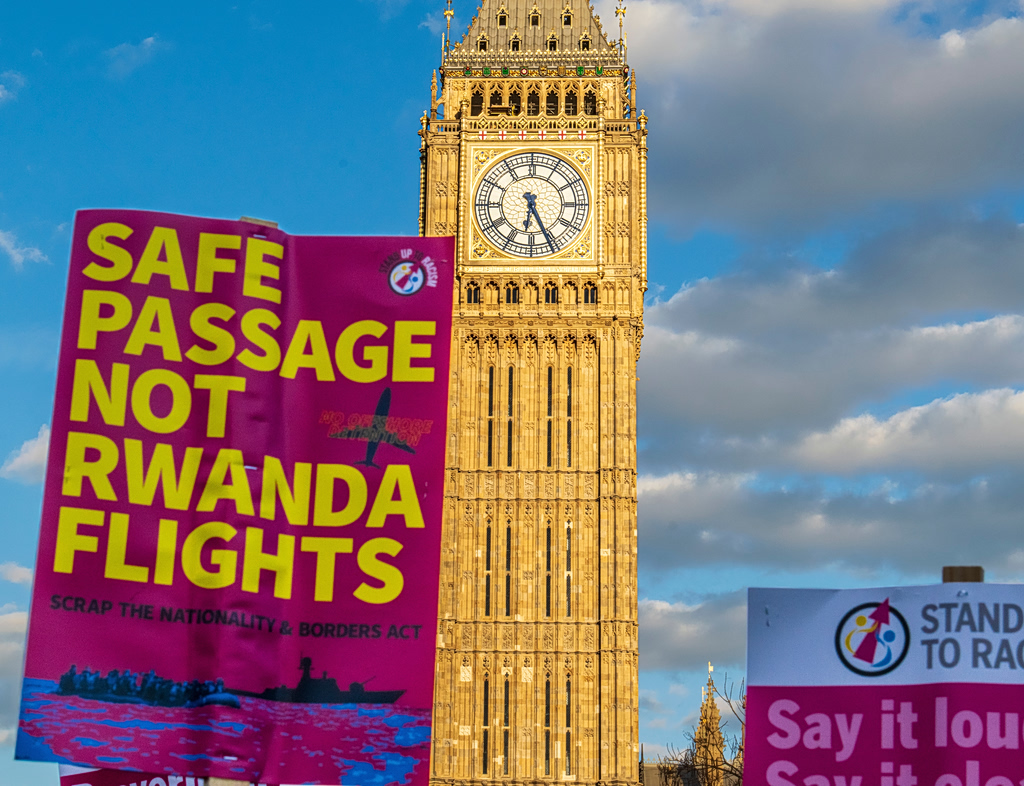
London, UK, 03.27.23 Protesters gather outside Westminster Square in opposition to the Illegal Migration Bill, groups like Care For Calais, Stand Up To Racism and Safe Passage want to welcome refugees
Jory Mundy/Shutterstock
The arrangement eventually collapsed. Following the UK’s decision to scrap the deal, which included payments to Rwanda to help cover its costs, the Rwandan government brought a case before the Permanent Court of Arbitration, alleging breaches of the agreement. An international arbitration panel in The Hague subsequently rejected Rwanda’s multimillion-dollar claim against the UK. Despite the previous experience, the UK has said it will watch the new European initiative with interest, as it continues to explore innovative approaches to tackling irregular migration.
The risks to migrants’ safety were also highlighted by Israel’s previous efforts to deport asylum seekers to Rwanda. As noted in a joint report by 47 organizations opposing the proposed scheme, “when Israel deported people to Rwanda and Uganda, they were promised status and safety. However, research indicates that many were forced into dangerous onward journeys and exposed to human trafficking networks.” The collective statement also referred to the 2023 UK Supreme Court ruling identifying a real risk of refoulement, noting that asylum seekers transferred to Rwanda under an earlier agreement with Israel had frequently been covertly moved to Uganda, highlighting the dangers and exposure migrants faced.
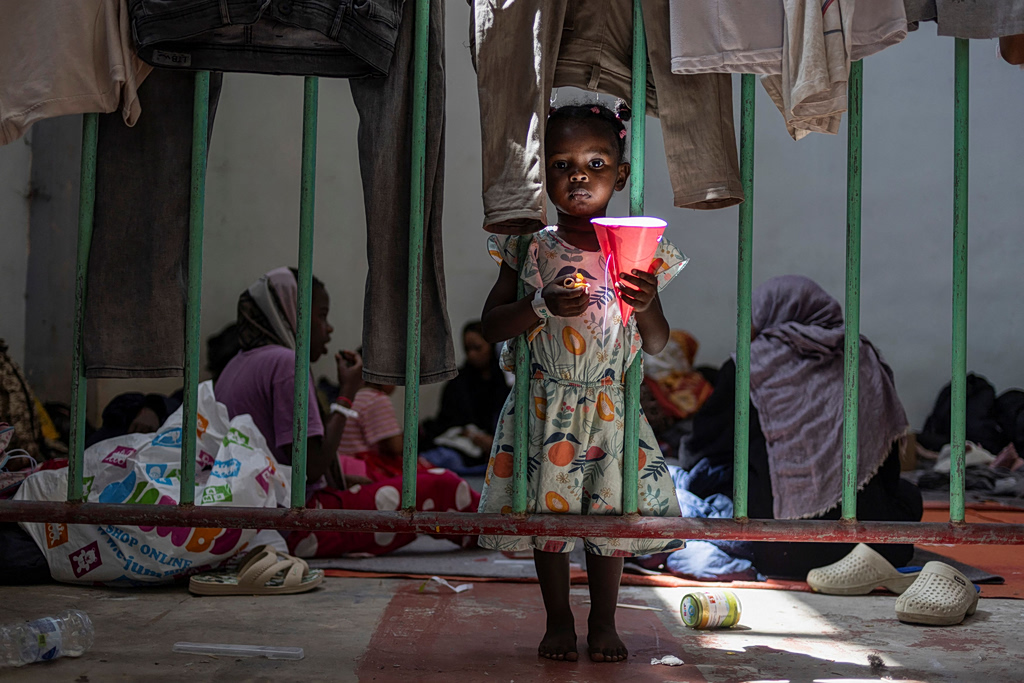
Professor Gavouneli emphasizes that “clearly the original idea came from the UK”, yet she goes on to clarify that the two schemes differ in a key respect; under the original UK proposal, asylum seekers could be transferred to Rwanda while awaiting a final decision on their claims, whereas the current European initiative applies only to individuals who have exhausted all legal avenues to remain. This distinction was also highlighted in public statements by the German Interior Minister.
She also pointed out to guarantees that the participating countries have taken to bypass previous challenges, “They have tried to come up with all sorts of guarantees, for instance, there will be no underage people sent over, they are trying not to break down families, so in essence, what they are trying to do is return young male people who might be willing to work”, she clarified.
Organizations Urge for Transparency and Express Their Concerns
The plan has received widespread criticism, expressing concern for possible violations of human rights. In Greece, the proposed initiative has also drawn criticism from the Greek National Commission for Human Rights (GNCHR), the country’s independent national advisory body to the state.
In a statement released on Wednesday, November 18, the Commission acknowledged that “effectiveness of return procedures is a legitimate component of a coherent migration policy.”
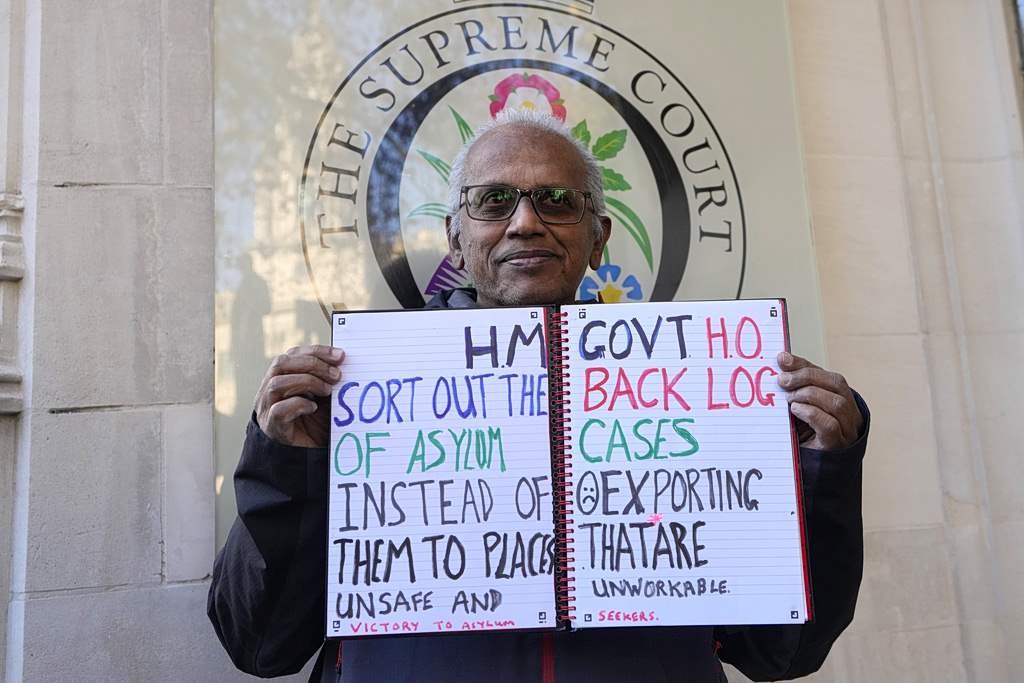
A Protester stands outside the Supreme Court in London, Wednesday, Nov. 15, 2023. Britain’s Supreme Court has ruled that the government’s contentious plan to send some migrants on a one-way trip to Rwanda is illegal. (AP Photo/Kirsty Wigglesworth)
The GNCHR stressed that individual transfer decisions must remain subject to clarification and to the legal protections provided by the EU Charter of Fundamental Rights and the European Convention on Human Rights. “Migration management cannot treat individuals as objects to be moved from one country to another,” the Commission stated.
Before any agreement with Rwanda is finalized, the GNCHR called on the Greek government to publish the content and legal form of the proposed framework and ensure that it is thoroughly assessed against Greece’s international and European obligations. Ultimately, the Commission questioned whether the proposed model could deliver on its stated objectives, arguing that its “purported effectiveness” is not supported by empirical evidence.
In a separate statement, a coalition of 47 organizations, including 2 Greek NGO’s Intersos Hellas and Greek Council for Refugees (GCR), called on European governments to abandon the proposed return hubs, warning that transferring responsibility for migrants to third countries risks undermining fundamental rights and accountability.
“These policies shift people, and responsibility for their safety and rights, out of public sight and beyond scrutiny. No choice of partner country, legal guarantees or institutional oversight can eliminate the fundamental risks associated with such ”return hubs”.” the statement said.
The organizations also described the hub as a “euphemism that masks forced removal,” arguing that the policy risks serious human rights violations against one of society’s most vulnerable groups in pursuit of a deterrence strategy that evidence suggests will not achieve its intended objective.
The statement specifically questioned Rwanda’s suitability as a partner, arguing that the country does not meet the human rights requirements. They cited a report on Rwanda by Austria, a core member to the agreement, which includes reports on ” torture in detention, arbitrary arrests and impunity within the security services”
They further questioned whether independent monitoring mechanisms would be sufficient to protect migrants, arguing that existing monitoring arrangements within the EU have failed to prevent violence at its borders. “Frontex would become more powerful, but not more accountable,” the statement warned.
A Rwanda journalist speaking to Al Jazeera, claimed that this partnership “buys their silence”, expressing a fear that this helps Rwanda evade accountability through leveraging, while providing another means of deflection.
At the same time, Amnesty International has also voiced strong opposition to the scheme. Aimee Stuflesser, the asylum and migration expert at Amnesty International Austria, warned that Rwanda runs the prospect of becoming “a cruel black hole for human rights.” Due to this, Amnesty has called upon the participating countries to abandon the initiative as mistakes from previous attempts clearly signal a trend that has resulted in human rights violations and “ruinous” impact on asylum systems.
Rwanda Minister Rebukes Claims
The Rwandan Interior Minister, Vincent Biruta, remained unsurprised to the judgements passed from organizations on the scheme, especially considering the turnover of previous attempts. Through his public speeches, he has reiterated Rwanda’s stance globally, while emphasizing that it upholds and respects human rights. Due to their willingness to accept migrants within its borders, he claimed that Rwanda has one of the most progressive migration policies.
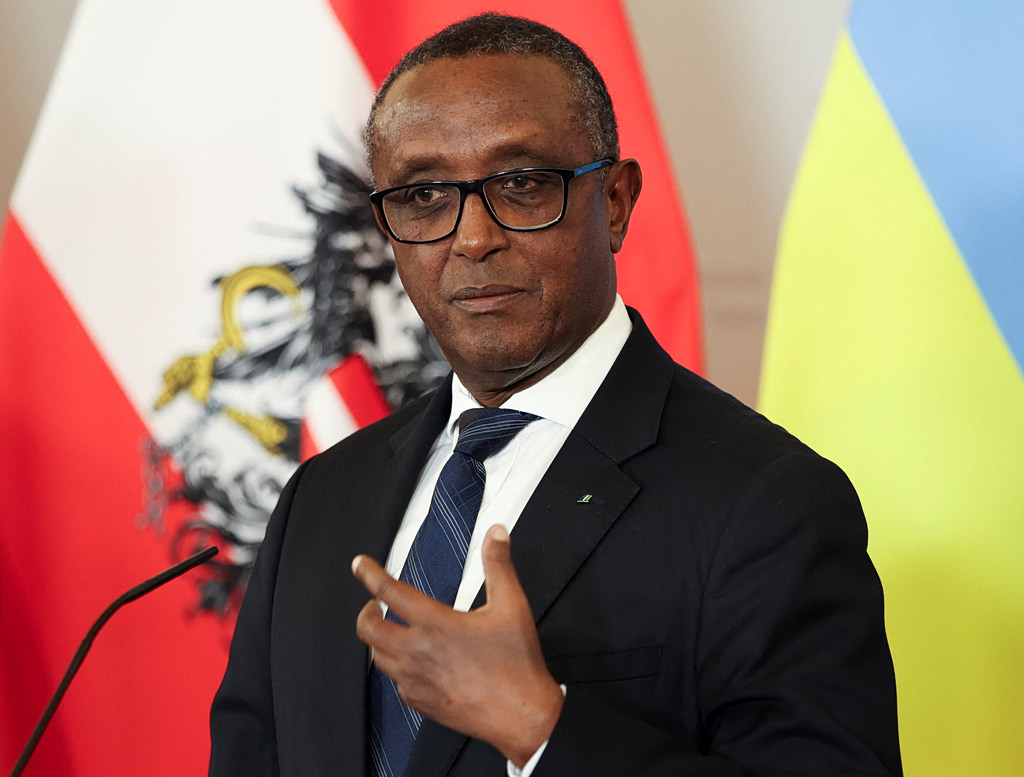
Rwanda’s Interior Minister Vincent Biruta attends a press conference in Vienna, Austria, November 16, 2026. REUTERS/Leonhard Foeger
Commenting on the criticism it has received, he stated that the failure experienced during the UK-Rwanda initiative, helped develop and improve their asylum system. He cited the use of an independent monitoring mechanism that would help ensure compliance with international humanitarian law. At the same time, he challenged the organizations that are critical to “come forward with an alternative solution”.
On a similar note, the participating EU ministers stressed that the scheme and partnership would be coherent with both international and European laws/standards. Danish Prime Minister, Mette Frederiksen, told Politico, that a lot of technical issues need to be refined, with a particular focus on drawing boundaries between the responsibilities shared between the participating European countries and Rwanda.
Third Times the Charm?
There is no doubt that European countries face challenges and struggles that are heightened and impacted from migration. At the same time, our own systems have been widely judged and criticized, due to the quality of our infrastructure and the treatment of people at facilities like migration camps. By outsourcing the issue of migration in Europe, when does introspection begin?
An aggressive strategy or mismanagement could make migration routes much more dangerous. While legal implications appear to not exist for the current status of the plan, ethical considerations should not be sidelined. As emphasized through different humanitarian organizations, accountability and transparency need to be at the heart of this initiative, in order to ensure compliance with the standards of universal and European human rights, and fair treatment of people.
Given the numerous accounts and evidence pointing to serious concerns over the treatment and safety of migrants in Rwanda, questions should be posed over what guarantees could ensure a different outcome this time. How can the EU ensure that migrants and refugees are treated in accordance with human rights standards, and what mechanisms will be in place to monitor their treatment in a third country where concerns over political repression and human rights have also been raised?
French President Emmanuel Macron, has previously questioned both the principles and effectiveness of such arrangements, saying: “I’m not sure that’s what our Europe is about. I’m not sure that these are the fundamental principles on which our Europe was built, and I don’t believe it’s effective either.”