 Μake us preferred on Google
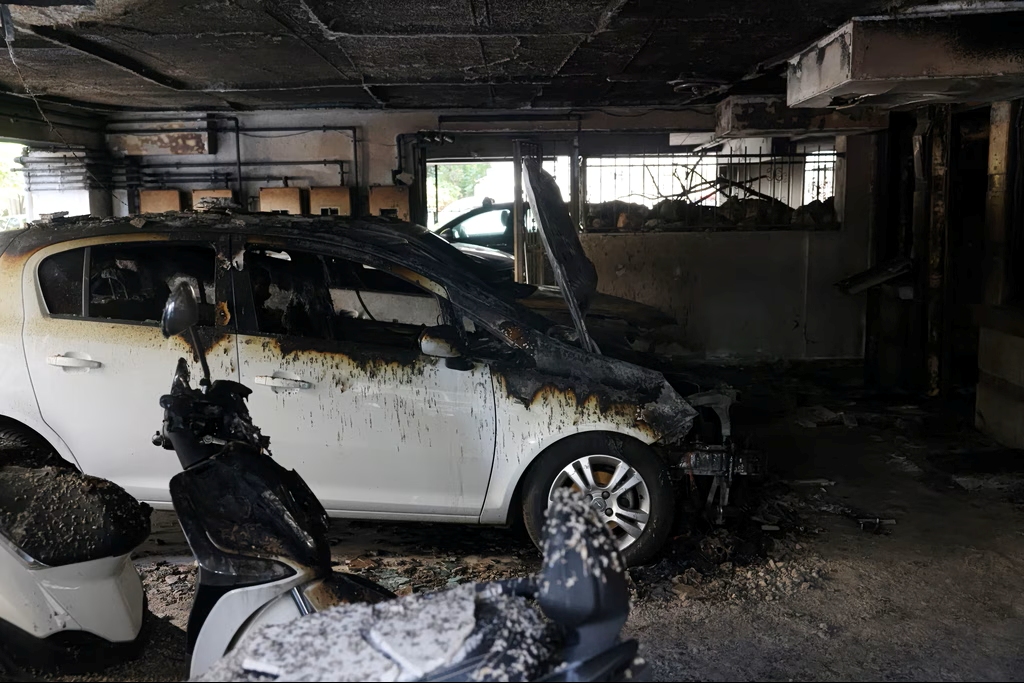
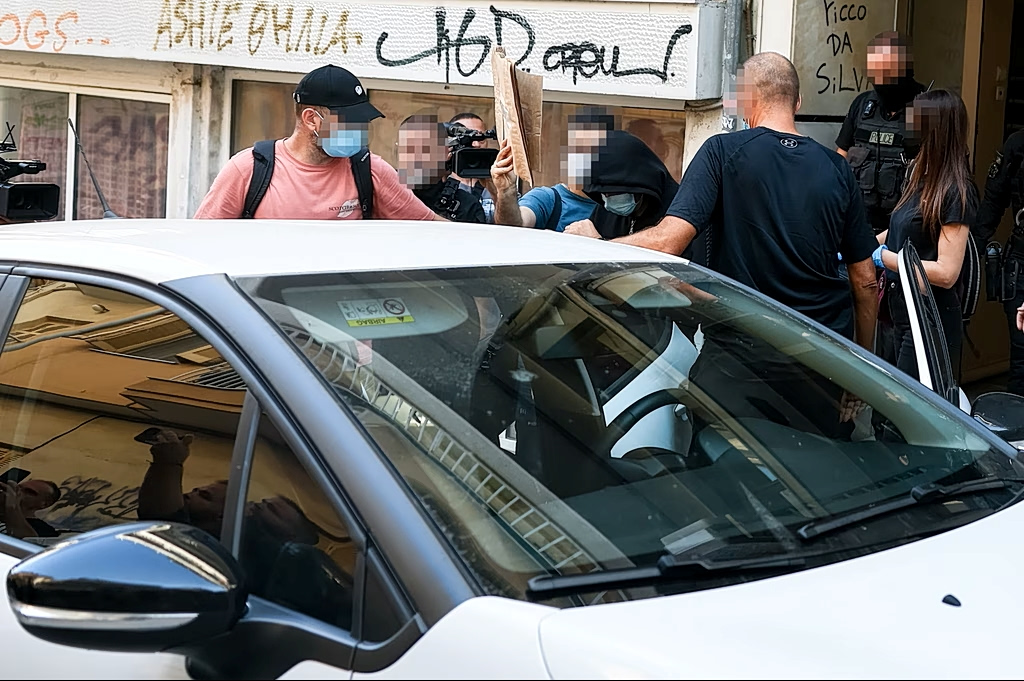
 Greek counterterrorism police have arrested three people in connection with the fatal firebomb attack that claimed the life of Vagia Nestora in Thessaloniki last week, marking a significant breakthrough in the investigation into what authorities have described as a politically motivated act of terrorism.
The suspects—two men and one woman—were arrested in Thessaloniki and on the island of Crete. According to local media reports, they had been staying in residences just minutes from the Nestora home, where the attack occurred.
Investigators believe a 29-year-old man and a 26-year-old woman rode a scooter to the scene and ignited the improvised incendiary device, while a 24-year-old man is accused of providing shelter after the attack. Police said all three have links to the anti-state and self-styled anarchist movement.
The woman had previously been imprisoned in 2022 over an attack involving improvised incendiary devices, while the 29-year-old had previous “run-ins” with the law in connection with earlier arson cases.
According to the reports, investigators identified fingerprints during forensic examinations and used security camera footage to trace the suspects’ movements after the attack. Two of the alleged perpetrators were seen riding a scooter to a residence in Thessaloniki’s Ano Poli district, a route that police believe proved crucial to identifying them.
Searches of homes and other locations remained underway on Friday as officers sought additional evidence.
Afroditi Nestora, whose mother died from severe burns sustained in the attack, said her family wanted the suspects to receive a fair trial despite the circumstances.
“Our wish is that those responsible receive a fair trial, even though my mother was so unjustly deprived of her right to life,” she said, adding that the family did not want the case to trigger further violence or acts of vandalism.
According to same-day press reports, the July 1 attacks targeted the homes of three New Democracy officials in Thessaloniki using improvised incendiary devices made from camping gas canisters.
Investigators from the counterterrorism unit quickly assumed responsibility for the case, treating the coordinated attacks as politically motivated after determining that the assailants had struck three locations within minutes of each other.
Police focused early on security camera footage, mobile phone data and the scooter believed to have been used by the attackers, eventually reconstructing their movements before and after the fatal attack.