 Μake us preferred on Google
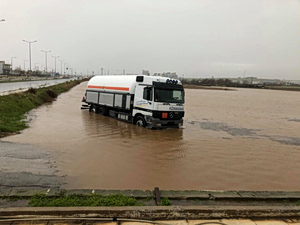
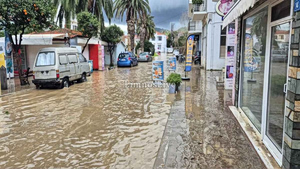
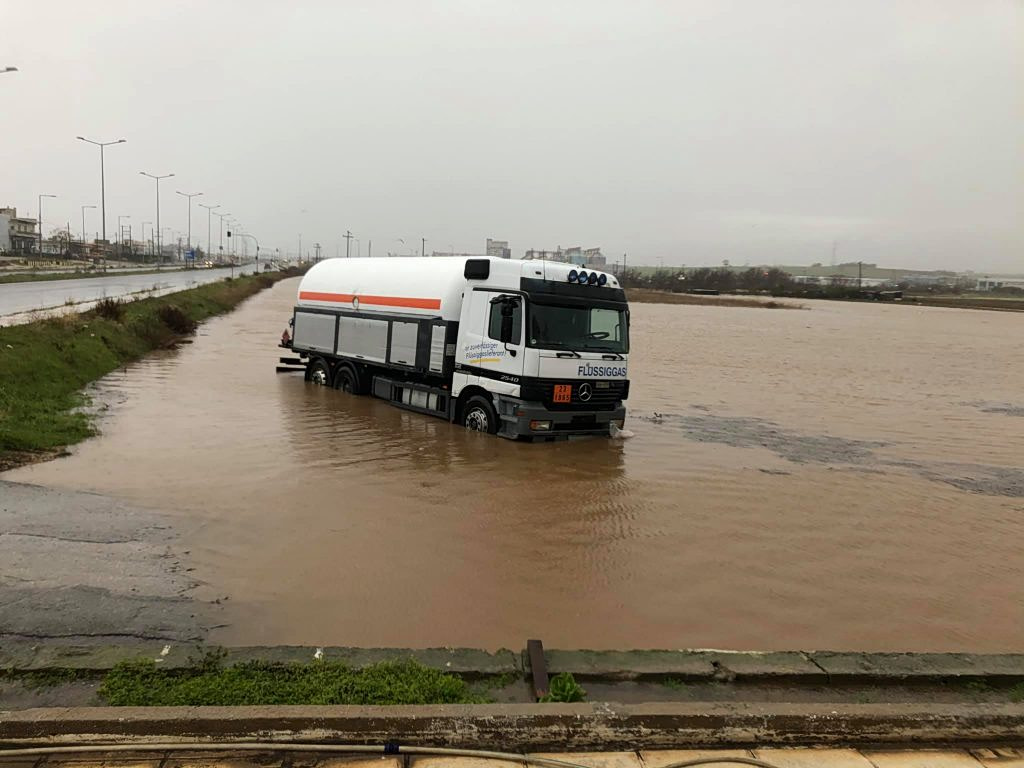
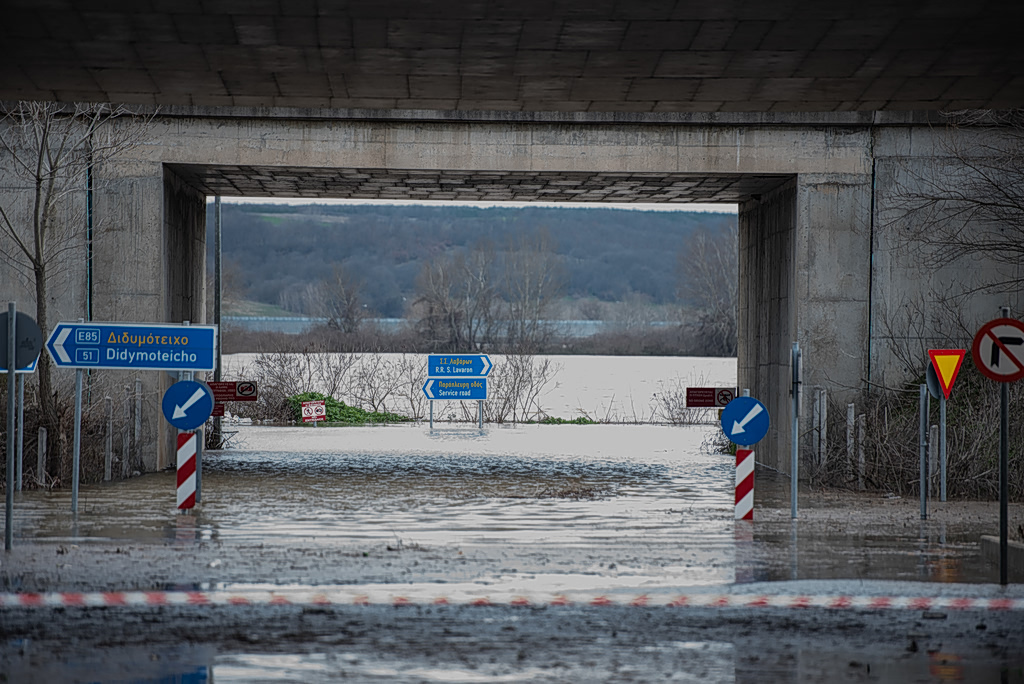
 Severe flooding has struck northeastern Greece, with more than 150,000 stremmata (almost 40,000 acres) of land submerged after the Evros River overflowed, causing widespread damage to infrastructure and agricultural areas. Authorities warn that conditions remain critical as water levels continue to rise.
Emergency alerts were issued to residents in affected areas after riverbanks gave way, sending large volumes of water into nearby settlements and farmland. A breached embankment earlier this week led to extensive flooding across multiple rural zones, where fields and roads were quickly overwhelmed.
Local authorities have taken emergency measures, including closing road access points and advising residents to remain on high alert. Residents living near flood-prone areas were urged to prepare protective measures, such as using sandbags, to prevent further damage to their homes.
NEWSLETTER TABLE TALK
Never miss a story.
Subscribe now.
The most important news & topics every week in your inbox.
The situation is being worsened by large volumes of water flowing into the Evros River from neighboring countries Bulgaria and Turkey through tributaries, which are feeding the already swollen river. Due to the sheer volume, water is no longer contained within the riverbed and is spreading across surrounding land, flooding low-lying areas.
Floodwaters have already reached residential zones in some locations, while key infrastructure, including roads and rail lines, has been disrupted. Officials expect the impact to extend further south as the water continues its course toward the sea.
Civil protection authorities have placed the region under a high-alert “Red Code” status through the end of the week, citing an elevated risk of further flooding.
The prime minister is expected to visit the broader region, and there is speculation he might extend his trip to Evros as well, although it is not included in the official agenda.