 Μake us preferred on Google
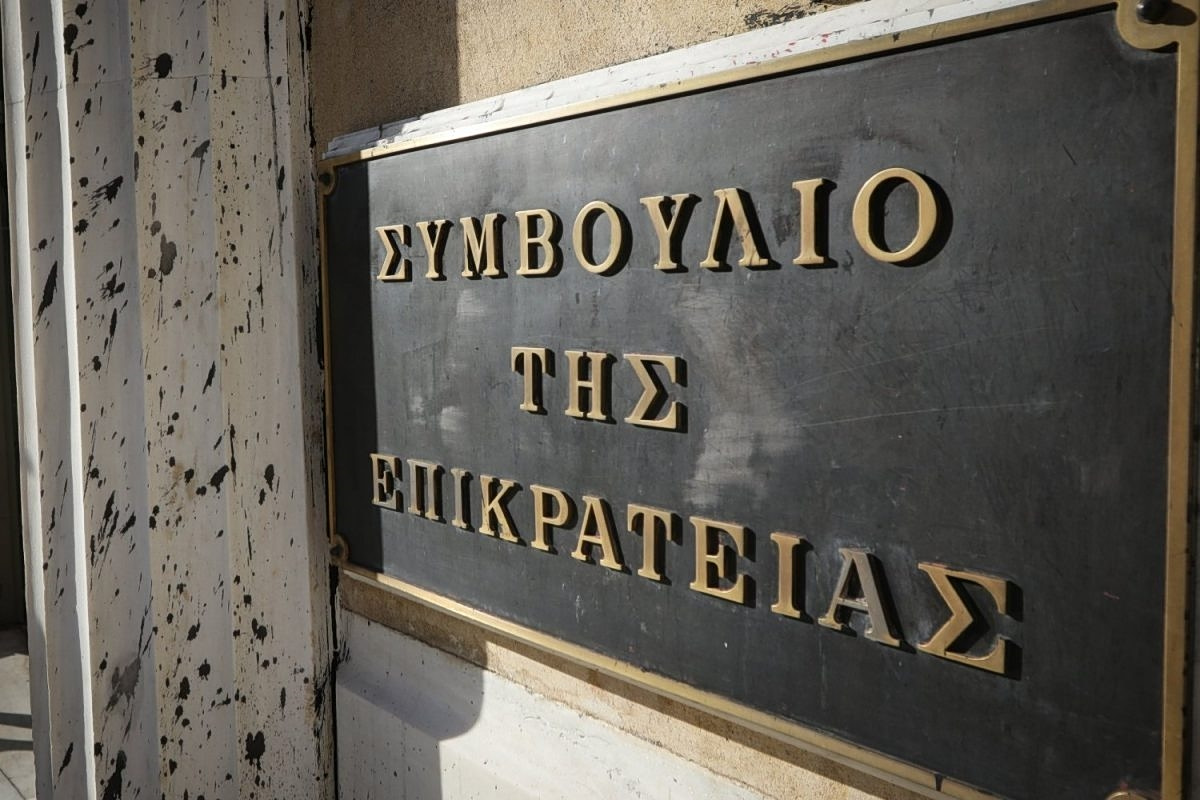
 A ruling by the Council of State (CoS), Greece’s highest administrative court, has generated heightened uncertainty for three of the country’s first non-state university branches after annulling their operating licenses and study-program approvals, although the ruling does not overturn the legal framework that liberalized the higher education sector and ended the state’s monopoly in the sector.
The decision affects City University, Keele University and Anatolia College, which were among the first institutions admitted under a new system for non-state university branches spearheaded by the current Mitsotakis government. The court ruling cited legal deficiencies in the administrative procedures used to license the three institutions and approve their academic programs.
The immediate consequence is that the three institutions must address the deficiencies identified by the court before their legal status can be fully restored. The ruling does not, however, amount to a declaration that the universities themselves cannot operate in Greece.
Legal sources cited in connection with the decision have stressed that the situation could be reassessed if the administration and the affected institutions take the necessary steps to correct the problems identified by the high court. This leaves open a route for the three institutions to seek renewed authorization rather than forcing a permanent closure.
The decision’s reasoning is significant because it distinguishes between the underlying legal framework and the way that framework was implemented. In earlier rulings, the CoS’s plenary session had upheld the constitutionality of the framework allowing branches of foreign universities to operate in Greece as “Legal Entities of University Education”.
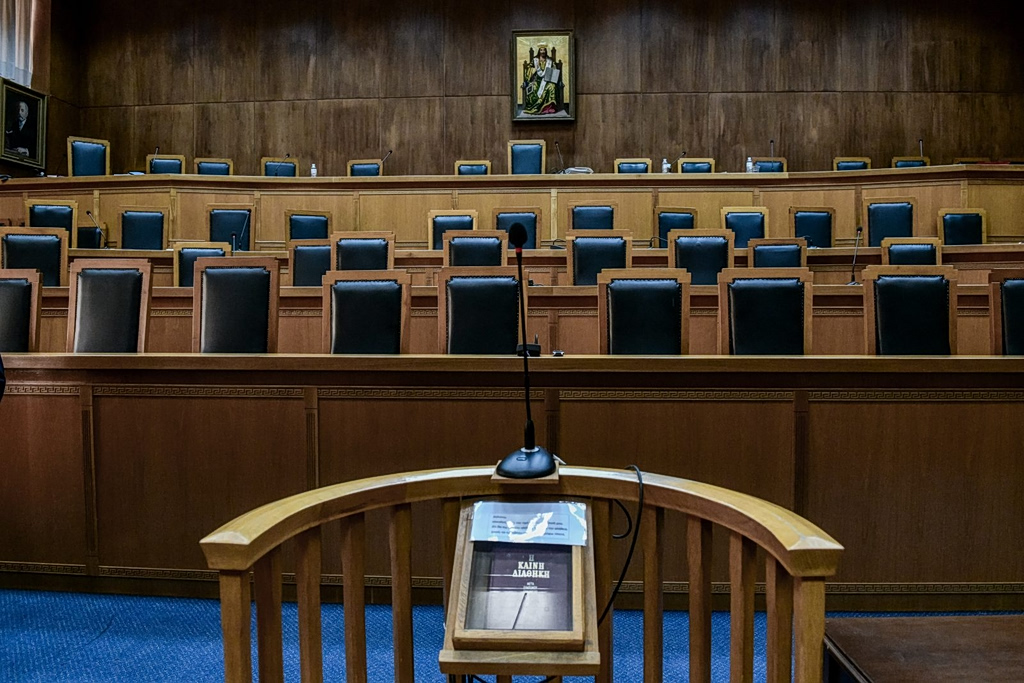
The latest judicial decision reaffirms that position.
The high court also rejected a challenge based on the argument that study programs offered by the Greece-based branches had to be separately accredited by the parent universities and the relevant accreditation bodies in the countries where those universities are based. The CoS accepted the legal structure under which the programs form part of agreements between foreign parent universities and their Greek branches and remain subject to oversight by the parent institutions.
The problems identified in the latest cases instead concern the licensing and accreditation process.
In two cases, the court found that the National Organization for the Certification of Qualifications and Vocational Guidance, known with the Greek-language acronym EOPPEP, had not completed the required process for determining whether the institutions had complied with observations concerning their buildings and facilities. EOPPEP had identified the need for modifications and additional documentation but had not formally confirmed compliance by the time the cases reached the court.
A separate decision concerned the composition of an evaluation committee established by the National Authority for Higher Education. The court found that a member had a relationship with the educational organization concerned, creating a potential conflict of interest under Greece’s administrative procedure rules.
The court also annulled the relevant decisions approving the universities’ study programs. In part, this followed the annulment of the operating licenses. The court additionally found that the criteria used for program accreditation were not sufficiently specific in quantitative and qualitative terms under the requirements of Greece’s 2024 higher education legislation.
For the three university branches the ruling therefore creates a distinction between the validity of their broader institutional projects and the validity of the administrative approvals under which they were operating. Their future operation will depend, to a significant degree, on whether the identified deficiencies can be remedied and the relevant authorities can lawfully reissue the necessary approvals.
Education ministry response
The education ministry was quick to emphasize this distinction, arguing that the Council of State did not question the constitutionality of the 2024 law. The ministry said the court had instead identified shortcomings in its implementation, including accreditation criteria, the composition of an evaluation committee and the delayed certification of compliance with building requirements.
The ministry has pledged to take the steps necessary to comply with the ruling while safeguarding students’ rights. It has also said that the academic year will not be lost for students affected by the decisions.
The ruling comes as Greece’s experiment with non-state higher education enters its second academic year. The reform was introduced through a 2024 law, which created a framework for branches of foreign universities to establish a presence in Greece under strict licensing and quality-control requirements. The change represented a major departure from the country’s longstanding model of tertiary education, in which recognized higher education was provided only through state institutions in Greece. Graduates of foreign universities must have their degrees recognized by a state agency.
The constitutional question had been central to the debate as Article 16 of the Greek constitution states that university-level education is provided exclusively by fully self-governed public-law entities and prohibits the establishment of university-level institutions by private individuals in the country.
The government nevertheless argued that EU law and Greece’s international obligations allowed branches of established foreign universities to operate under a specialized regulatory framework. The Council of State’s plenary session endorsed that interpretation in 2025, providing the legal foundation for the first wave of licenses.
The first institutions were subsequently authorized to begin operations in the 2025-26 academic year. The licensing process was deliberately restrictive, with authorities applying financial, infrastructure and academic-quality requirements. In March 2026, the CoS’s plenary session separately upheld the monetary prerequisites, including a two-million-euro bank guarantee and a 600,000-euro application fee for foreign universities seeking to establish branches in Greece.
That earlier ruling was important for the sector because it confirmed that the new system could withstand challenges to its financial and regulatory requirements. The latest decisions are different in character: rather than questioning whether foreign universities may establish branches in Greece, they focus on whether individual licensing and accreditation procedures complied fully with the law.