 Μake us preferred on Google
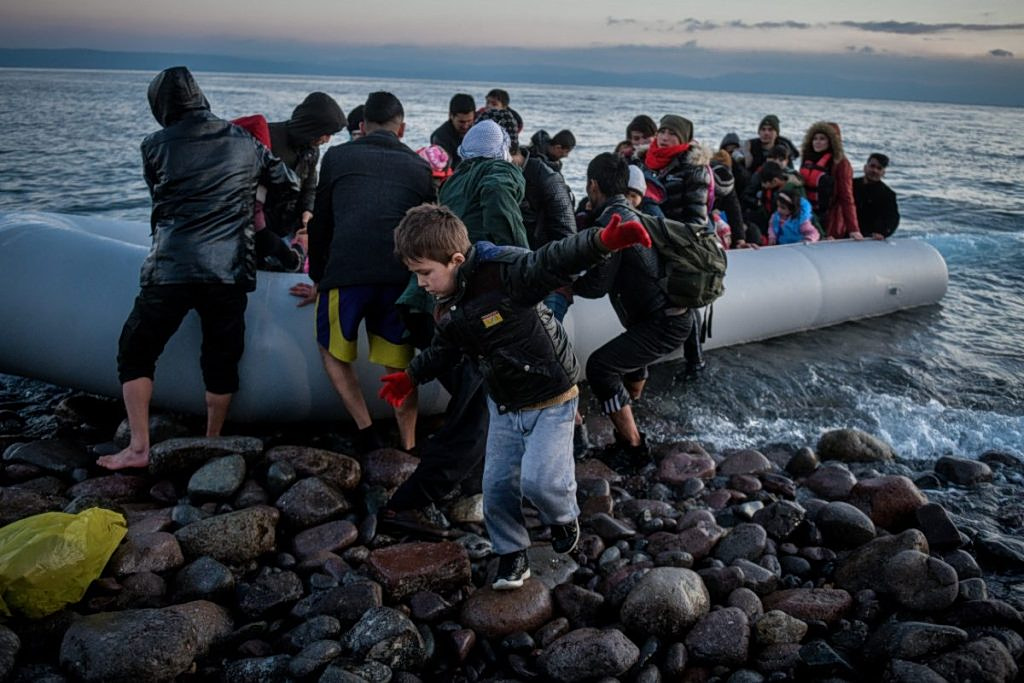
 By mid-June 2026, roughly 14,340 people had reached Greece, about 15% fewer than in 2025, though arrivals stayed steady overall.
Crete remained the main entry point, taking in around 70% of sea arrivals, straining the island’s limited reception capacity. Sudanese and Afghan nationals together made up about 39% of sea arrivals, while Bangladeshi nationals formed the single largest group at 25%.
A joint report from the Greek Council for Refugees and Save the Children, covering April through June 2026, found that as of May, 1,465 unaccompanied children were being hosted in Greece, most of them boys over 15, mainly from Egypt, Afghanistan, Sudan and Syria.
The report’s central warning is that Greece’s new legal framework could undo progress made since 2020 in moving away from protective custody toward a child-centered system built on age-appropriate housing, guardianship and tailored care.
The groups argue the new rules create a “two-speed” child protection system, where access to proper care depends on a child’s age and nationality rather than individual need.
Under the law, unaccompanied children aged 16 and older can be placed in adult reception centers when deemed in their best interest, a practice the report says exposes them to greater risks of violence, exploitation and neglect.
The report also raises concerns about “safe zones,” a more permanent housing arrangement used for some unaccompanied children in mainland facilities and closed island reception centers. Greek courts have reportedly found that children in these zones may face de facto detention, since they aren’t permitted to leave.
Age assessment procedures, meanwhile, could be undermined if a person claiming to be an unaccompanied minor can be referred to border procedures before their age assessment is complete, a practice the organizations say conflicts with EU law and international standards.
They argue that anyone whose age is still being assessed should be presumed a minor and treated accordingly until the process concludes.