 Μake us preferred on Google
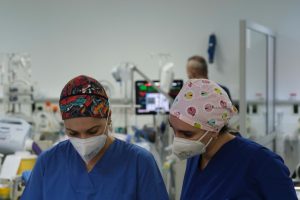
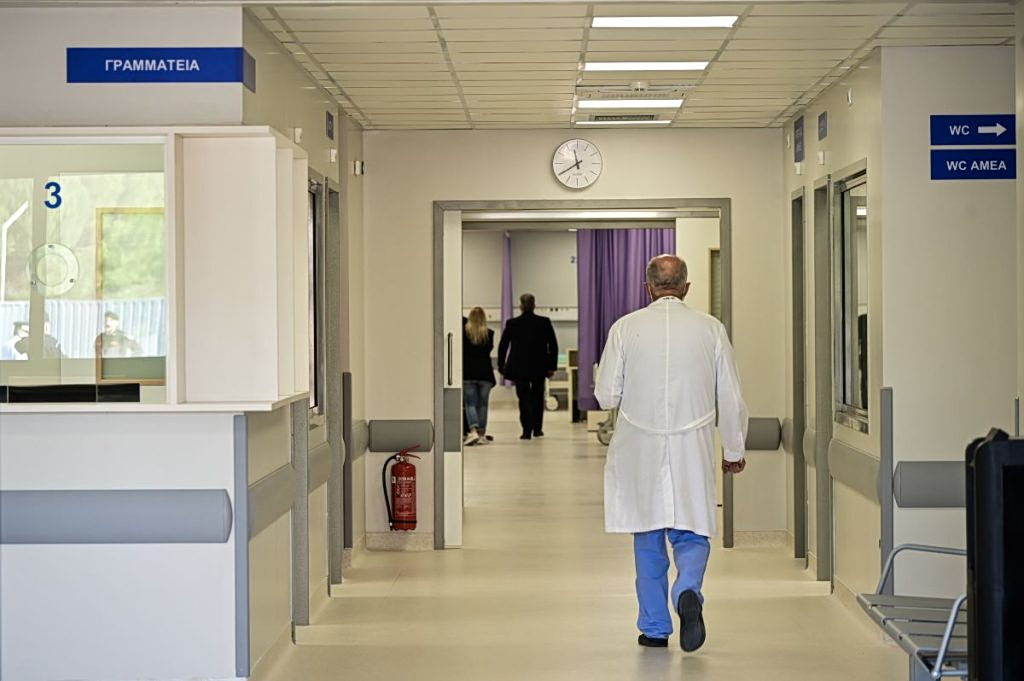
 A norovirus outbreak at Attikon University Hospital in Athens has triggered concern among health authorities and medical staff after dozens of gastroenteritis cases were reported among patients, visitors, doctors and nurses.
According to reports, the outbreak began in the hospital’s neurosurgery department on May 21. Within days, more than 50 people developed symptoms associated with gastroenteritis, while laboratory tests confirmed several cases of norovirus.
At least 53 suspected cases have been recorded so far. Of those, 38 involve doctors and nurses, while 15 concern patients and their companions. Ten cases have already been confirmed through laboratory testing, with the epidemiological investigation still ongoing.
Health authorities and Greece’s public health organization are implementing measures aimed at limiting the spread of the virus. These include isolating infected patients, disinfecting hospital areas and temporarily removing healthcare workers with symptoms from active duty.
Hospital representatives said no patient is currently considered to be in danger and no member of staff has required hospitalization.
However, healthcare workers have warned that overcrowding inside the hospital may have contributed to the rapid spread of the virus. Staff members claim that patients placed on temporary beds in corridors, combined with understaffing and high occupancy levels, created conditions that allowed the outbreak to spread quickly.
Doctors and nurses have also expressed concerns that the situation could worsen during the hospital’s next scheduled emergency intake period later this week.
Why Norovirus Spreads So Easily
Health experts say norovirus is one of the most contagious gastrointestinal viruses and is a common cause of outbreaks in hospitals, nursing homes, schools, hotels and cruise ships.
According to Greece’s public health authority, only a very small amount of the virus is needed to cause infection. The virus can spread through direct contact with infected people, contaminated hands, surfaces, food, water and even microscopic droplets released during vomiting.
Hospitals are considered especially vulnerable environments because patients often share rooms and bathrooms, visitors move constantly through the building and medical staff interact with large numbers of people throughout the day.
Experts also note that the virus can survive for days on surfaces such as door handles, elevator buttons, sinks, bedside tables and mobile phones. Many common hand sanitizers are not fully effective against norovirus, making thorough handwashing with soap and water particularly important.
Symptoms and When to Seek Help
Norovirus symptoms usually appear suddenly between 12 and 48 hours after exposure. Common symptoms include severe nausea, repeated vomiting, watery diarrhea, abdominal cramps, headaches, muscle pain, exhaustion and mild fever or chills.
Most people recover within two to three days. However, dehydration can become dangerous, particularly for elderly people, young children, pregnant women and patients with chronic illnesses.
Doctors advise seeking urgent medical attention if symptoms include severe weakness, dizziness, confusion, dry mouth, significantly reduced urination, blood in stool, high fever or symptoms lasting more than three days.
What Patients and Visitors Should Do
Health officials recommend that people with symptoms remain at home for at least 48 hours after symptoms disappear, as the virus may continue to spread even after recovery.
Experts also advise drinking plenty of fluids and electrolytes, avoiding heavy meals, washing hands frequently and using separate towels and personal items. Bathrooms and frequently touched surfaces should be cleaned thoroughly.
Workers in healthcare and food services are being urged not to return to work too early or prepare food while experiencing symptoms.
Doctors also recommend a mild diet during recovery, including rice, toast, bananas, potatoes, soup and boiled chicken, while avoiding dairy products, fried foods, alcohol, coffee and spicy meals.
No vaccine or specific antiviral treatment currently exists for norovirus, meaning prevention and hygiene measures remain the primary tools for controlling outbreaks.