 Μake us preferred on Google
 Christos Palios, chief executive of Hellenic Railways, told a parliamentary committee this week that the European Train Control System (ETCS), the automatic braking technology meant to stop a train before it runs a red signal or exceeds a safe speed, is not operating anywhere on the Greek network.
The revelation came after PASOK lawmaker Milena Apostolaki pressed the CEO of Hellenic Railways over whether ETCS is running today. Palios insisted in his response that it was installed and functional. When pressed over whether it was functioning at any specific location, he was forced to concede that the system is not currently in use anywhere, despite being installed, functional and licensed on most sections of the train line, and that licensing is under way on the rest.

Parliamentary committee hearing on the proposed appointments of George Ioannou and Christos Palios as chairman and chief executive of Hellenic Railways, Wednesday, July 22, 2026 (GIANNIS PANAGOPOULOS / EUROKINISSI)
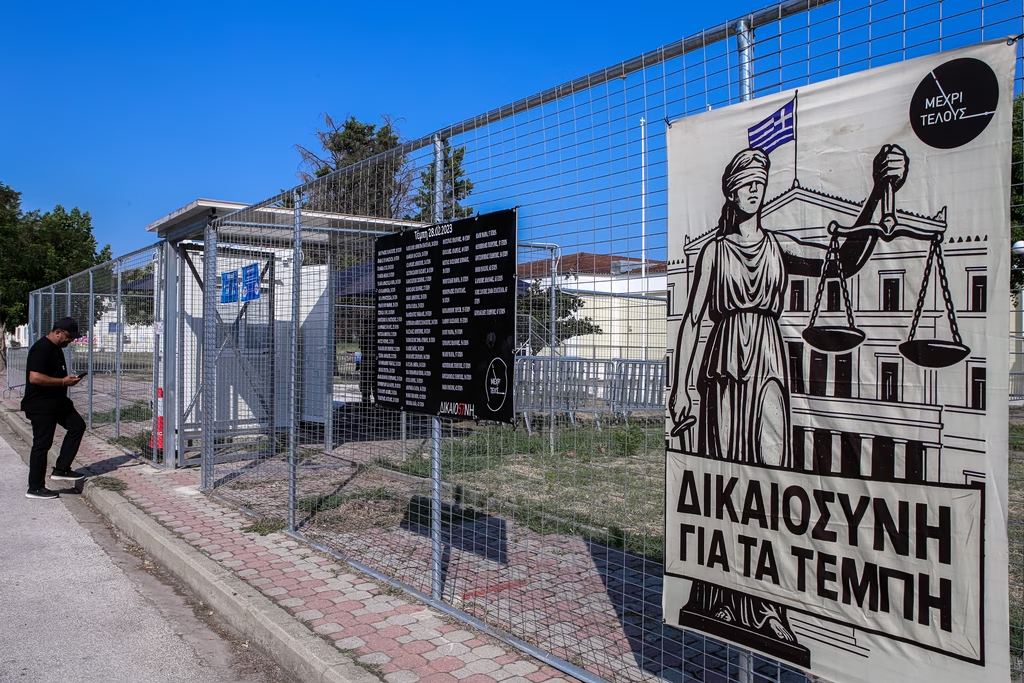
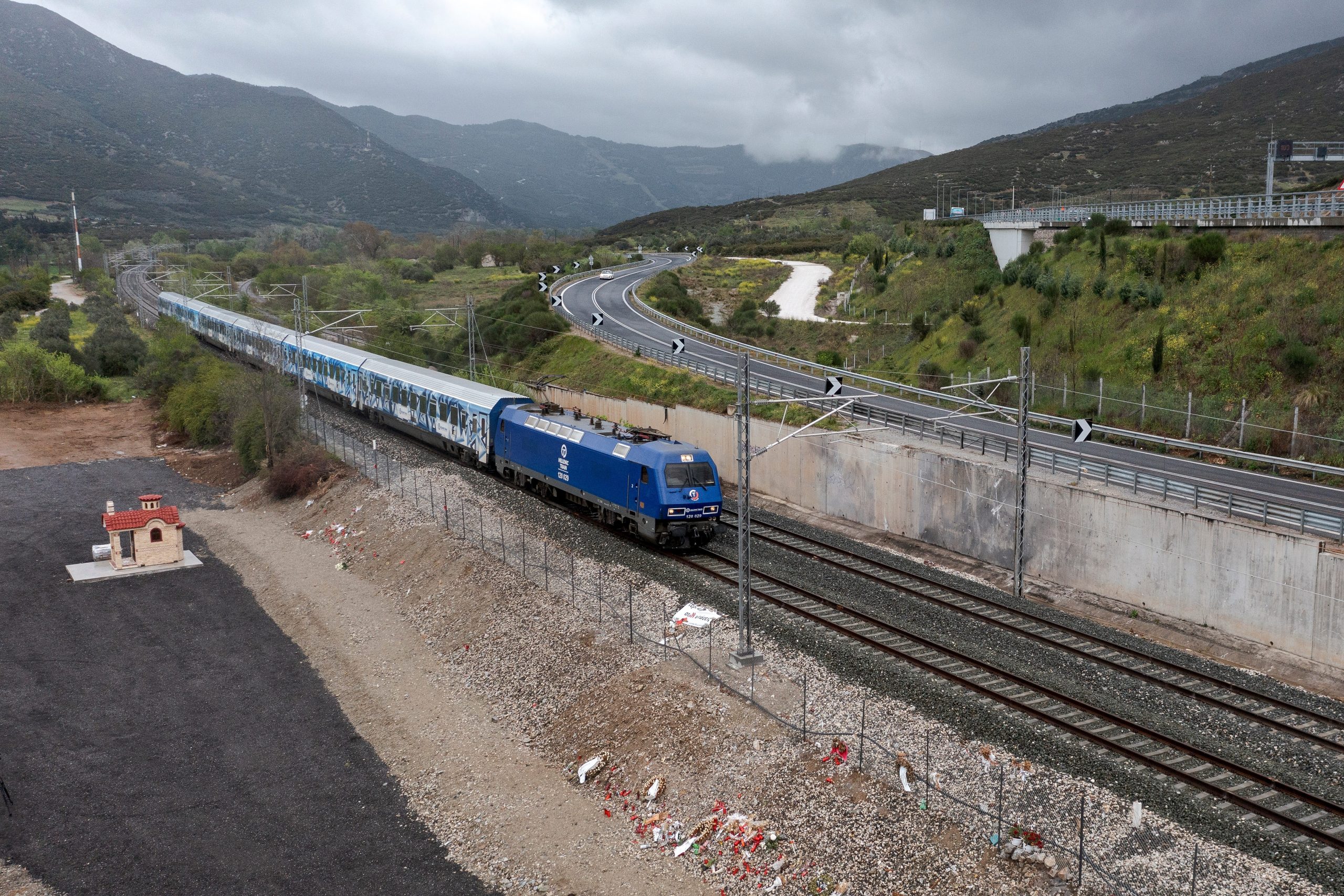
The first contract to install ETCS in Greece was signed in 2014, with completion due in 2016. The committee the government appointed to examine the February 2023 deadly train collision at Tempi, in central Greece, found that a working system would have kept the passenger train and the freight train off the same track, saving the lives of the 57 people that were killed that day. Prime Minister Kyriakos Mitsotakis said in April 2025 that the ETCS would be on “every train traveling on the country’s central railway line” by September that year.
Hellenic Railways moves to clarify
On Friday morning Hellenic Railways and Palios were forced to issue a clarifying statement, as the criticism built. He said the Athens to Thessaloniki main line would have full remote control, full signaling and ETCS fully installed by the end of August 2026, a commitment he attributed to both the government and the company’s management. Installation, he said, should be distinguished from full operational use: the system will be switched on once certification and licensing are complete. He added that work in Thessaly and in the areas damaged by Storm Daniel is nearing completion within the 15-month timetable set at the outset, with no extension granted, and that trains between Athens and Thessaloniki already run with active signaling and remote control, apart from the Lianokladi to Larissa section where repairs continue. He also cited railway.gov.gr, a tool running around the clock at the control center that automatically flags traffic risks, as a safeguard against human error.
PASOK takes the delay to the European Commission
Yannis Maniatis, vice chair of the Socialists and Democrats group in the European Parliament and head of PASOK’s delegation, submitted a written question to the European Commission over the admission, which he said confirmed government incompetence and indifference toward rail safety. He asked whether Athens had told the Commission when the system would be fully operational and why it had slipped; whether non-operation was compatible with Greece’s European rail safety obligations, given that installation was financed with EU funds; and what measures the Commission intended to take. Maniatis will join a European Parliament Petitions Committee mission to Greece from Sept. 21 to 23 devoted to Tempi.