 Μake us preferred on Google
 “A Psychologist? At my school, it’s like they don’t even exist. Most of us don’t even know what they look like, or even their name.”
Sixteen-year-old Nikolas answers instinctively when asked by TO VIMA whether he has ever spoken to his school psychologist. Nikolas attends a public school in Athens’ southern suburbs. He does not fully understand what mental health means, but he does know that whenever he needs help, he turns to his history teacher, the person he trusts more than anyone else.
He is lucky to have him. What if he didn’t?
He says there is nothing worse he can imagine than feeling pressure and anxiety building inside you and having no one to talk to.
Yet Greece’s relevant ministries — Education and Health — have still not created a solid support network capable of identifying and addressing young people’s mental health problems in schools, at a time when cases of depression and self-harm are on the rise.
In the town of Karpenisi, Rodothea Karfi, principal of the local vocational high school, explains that this branch of secondary education does in fact benefit from more organized psychological support services within the school environment.
“We even created a psychologist’s office,” she says, describing the room’s decoration and explaining how carefully the school selected the special “psychologist’s rug.”
Listening to her, one thinks that many schools across the country truly can function properly — though often thanks mainly to the volunteer efforts of their staff.
But Nikolas’s answer pulls the conversation back to reality.
“I’ve never gone to the psychologist and, honestly, I don’t feel like they could help me anyway.”
Recruitment and absences
The Ministry of Education responds to such criticism by pointing out that, in the last academic year alone, it appointed 3,005 substitute psychologists and social workers to schools across Greece.
Where are they?
As this report reveals, in many cases they barely register within school communities, because each psychologist may be assigned to as many as five different schools, visiting each only once a week. As a result, they are unable to build meaningful relationships with any of them.
“At the end of the school year, many students I’ve worked with ask me if I’ll still be with them next year, but honestly I have no idea what to tell them. I’m not even certain I’ll still be there the following week,” school psychologist Evangelia Adamopoulou tells To Vima.
For the 2025–2026 school year, she is responsible for five different schools, spending one day per week at each and sometimes even filling the role of a social worker.
“As things stand,” she says, “our role is more advisory than therapeutic, because there simply isn’t enough time to properly do the work of a psychologist.”
Anna, a final-year high school student, says she knows only two students in her entire school who have approached the school psychologist.
“Kids don’t go easily — neither do I,” she admits.
Still, she understands that inside classrooms, behind grades, absences and disciplinary reports, a silent mental health crisis is unfolding — one most people can see, but very few are truly equipped to manage.
“The hardest part is handling crises,” Adamopoulou continues. “In these very limited hours, we’re asked to assess which situations are most serious and focus on those first.”
“We need to stay constantly alert so that no child slips through unnoticed, especially those who may not appear to need help.”
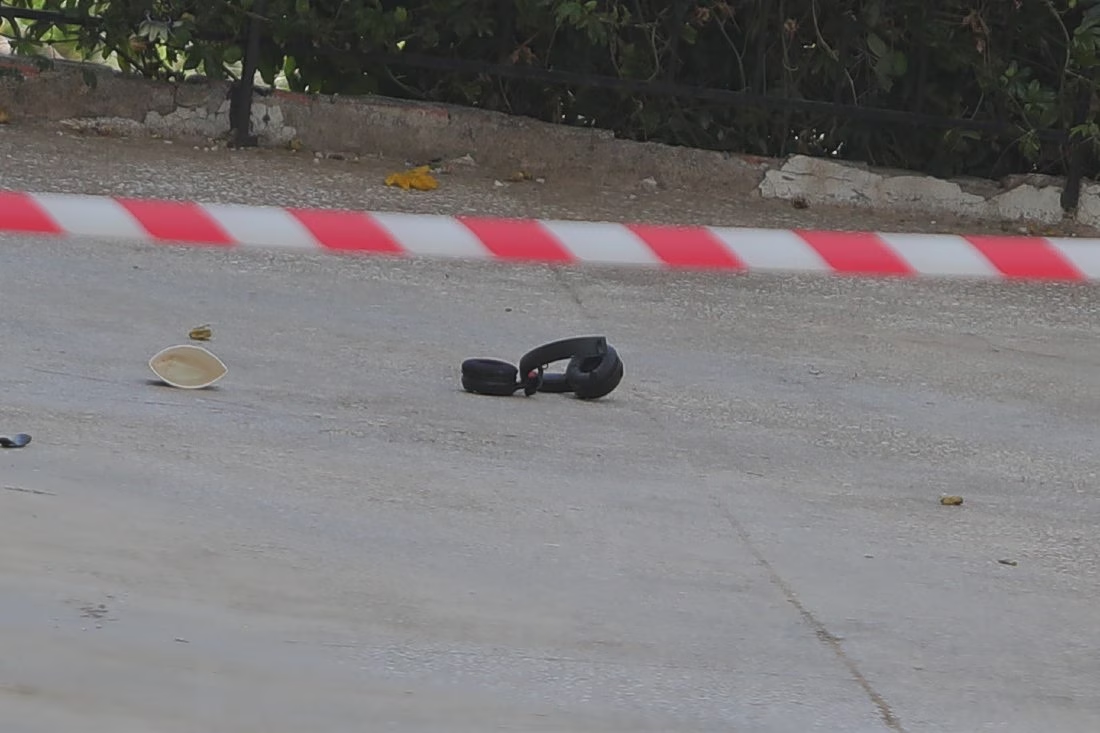
And somewhere within this constant — yet incomplete — state of vigilance, the tragedy that occurred a few days ago in Ilioupoli weighs even more heavily on the school community.
As the days pass since the suicide of two underage girls, the discussion surrounding teenage mental health has largely moved outside the educational system itself.
“We didn’t discuss it at school,” says 17-year-old Anna. “We talked about it with friends, mostly about how tragic it was.”
In many schools, the case never entered the classroom in any organized way. It remained confined to hallways, schoolyards, conversations between teachers, and groups of students trying on their own to understand how two girls their own age reached such a point.
Maria Kalograni, principal of a school in the Attica region, describes exactly that picture.
“It was discussed individually by some teachers during lessons and quite a lot in informal conversations between teachers and students outside the classroom. Some children felt the need to speak or listen without exposing themselves in front of the entire class.”
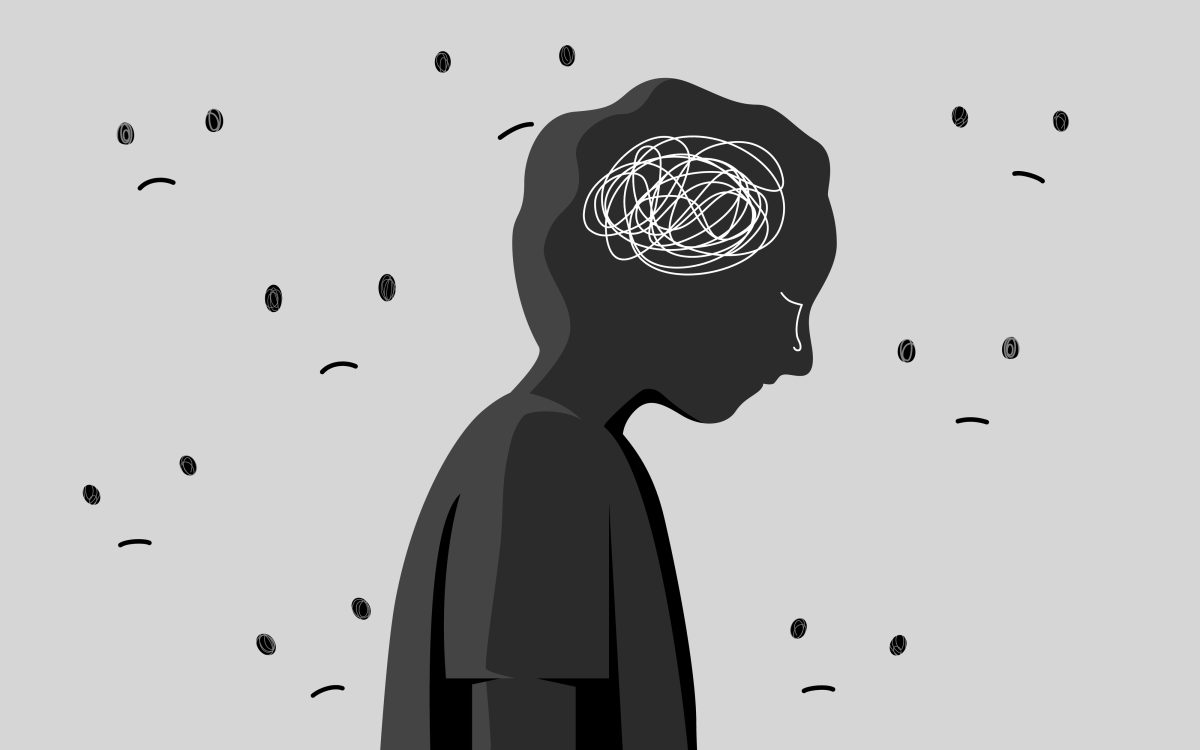
Yet behind the closed doors of school classrooms, teachers and specialists see a generation emotionally exhausted.
Children struggling to sleep. Children withdrawing. Children constantly comparing themselves to images on social media. Children who feel they are never enough.
“In recent years there’s been greater sensitivity because of the role social media plays,” explains Athena Dourou, a school psychologist and systemic psychotherapist.
“What children seek — and what ultimately torments them — is recognition from their peers. They want to resemble others, fit in, become one with the group. But this also stems from the growing emotional distance between parents and children, because that is where insecurities begin.”
‘My child doesn’t smile anymore’
Meanwhile, Athens high school principal Dr. Michalis Patsis describes scenes that concern him more and more.
“I see children in constant tension. Students shouting, throwing books in class, unable to calm down. I often wonder: is it simply bad behavior, or is there something deeper underneath?”
He speaks of teenagers trapped in endless anxiety. Of mothers approaching him saying, “My child doesn’t smile anymore.” Of children waking in the middle of the night and pacing restlessly through the house.
“Teachers today do far more than teach,” he says. “Without being specialists, they often become the classroom psychologist.”
And yet the actual mental health professionals are absent from schools most days of the week.
In most schools, psychologists divide their time between multiple campuses, appearing at each school only once or twice weekly. If a public holiday, school trip or illness intervenes, their presence simply disappears.
Stelios Stylianidis, emeritus professor of Social Psychiatry at Panteion University, psychiatrist-psychoanalyst and honorary president of the Society for Regional Development and Mental Health (EPAPSY), has launched a series of research and intervention programs in Greece’s public schools.
Among them is the psychosocial intervention initiative “It’s up to youth,” funded by the Ministry of Health.
He describes the state’s interventions as “largely superficial.”
“What is needed,” he explains, “is a radical restructuring of the educational system toward strengthening students’ emotional and social skills, critical thinking, cooperation, empathy and responsibility.”
“What could be implemented immediately is the creation of interdisciplinary teams operating permanently on a pilot basis, with accountability and evaluation, which would later become organically integrated into school operations.”
And as school psychologists continue moving from campus to campus, rushing between classrooms, offices and “emergency incidents,” students will continue growing up with a strange kind of emptiness — one that makes no noise, yet exists in all those small moments no one ever has the time to truly hear.
Within that reality, the words of 17-year-old Nikolas no longer sound exaggerated, but simply like an honest description of the world he lives in:
“It’s like there’s no psychologist at my school.”