 Μake us preferred on Google
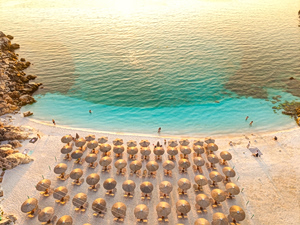
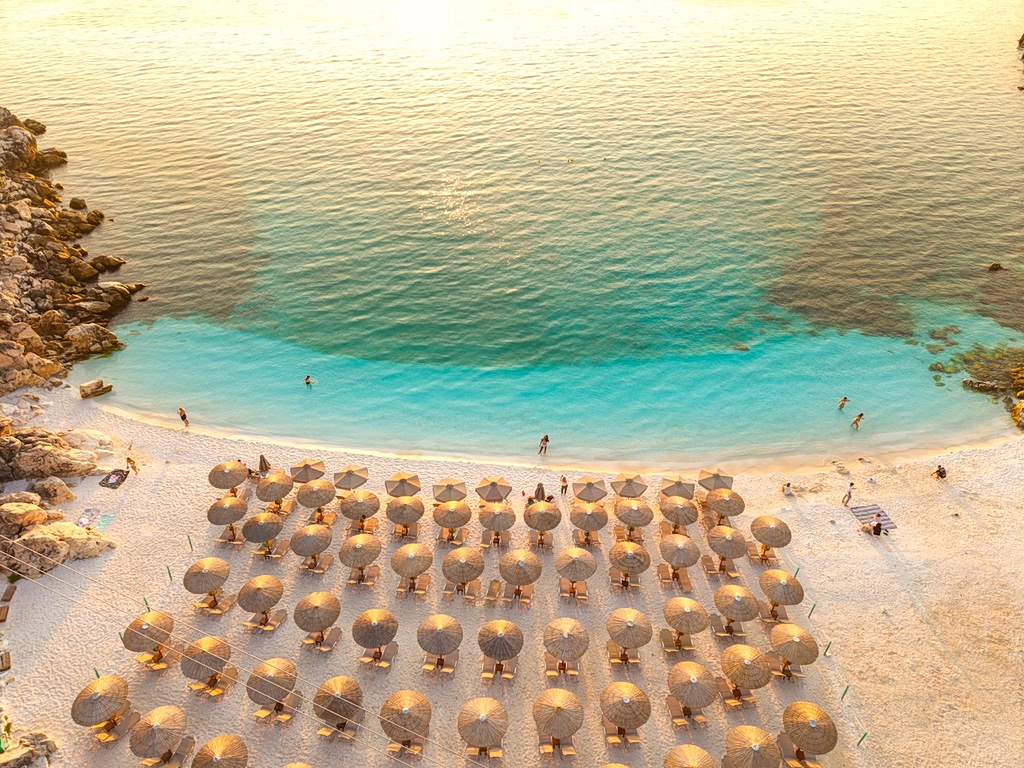
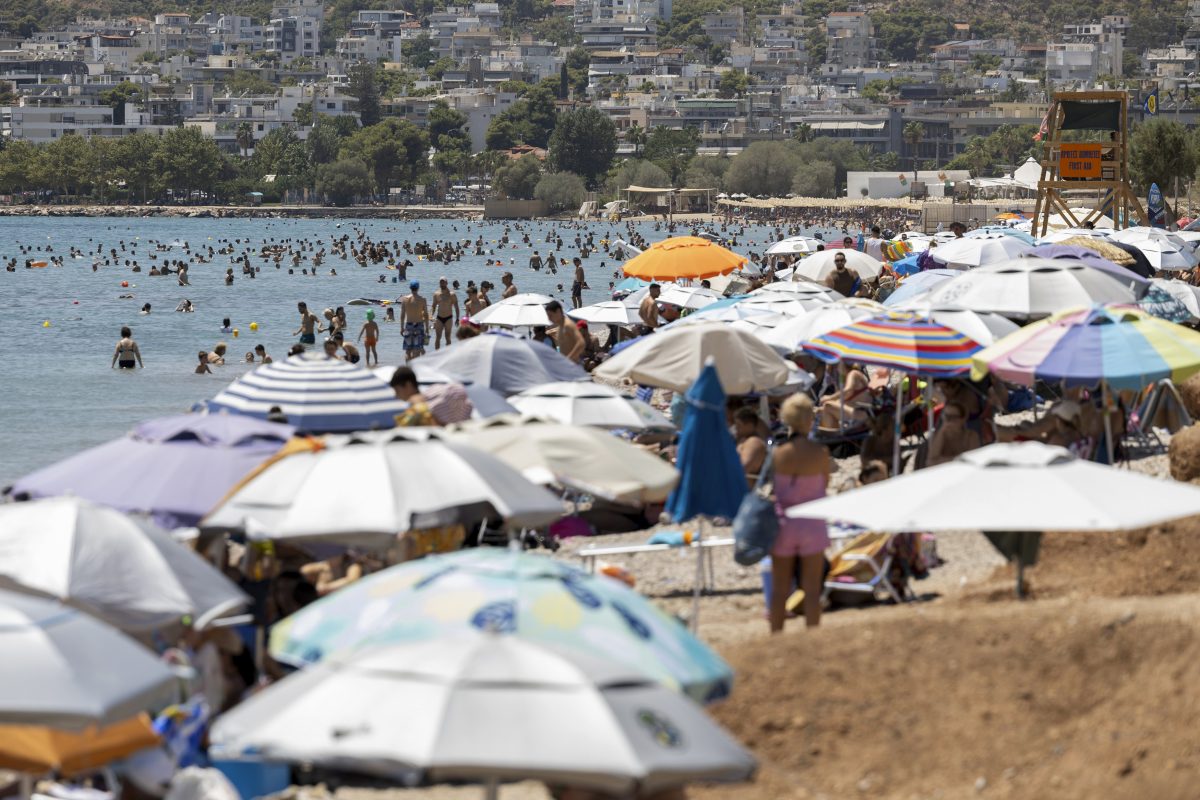
 Umbrellas, sunbeds, small tables… In recent years, private businesses have effectively taken over large stretches of Greek beaches, significantly limiting citizens’ free access to public coastal areas. The situation becomes especially suffocating on the islands during the summer months, where rows of rented loungers often extend all the way to the waterline, leaving no space for visitors to simply lay a towel down on the sand.
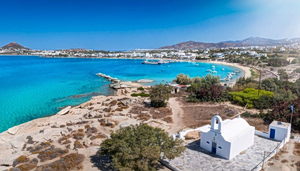
This was precisely the reason behind the so-called “Towel Movement,” which began about three years ago on the island of Paros. While the movement has somewhat faded over the past two years, as acknowledged by Stavros Stellas, member of the Board of Directors of the Archilochos Cultural Association of Paros, the problem persists due to a lack of effective enforcement. “There have been complaints since April, and although the season has started, inspections still haven’t taken place,” he notes.
Greece’s Ministry of Finance has introduced stricter rules governing beaches and coastal zones. However, residents of island and seaside areas stress that these rules are not always properly enforced. “There must be enough free space for everyone. No one should be forced to pay just to enjoy a day at the sea,” says 27-year-old Olga, who prefers unorganized, free-access beaches.
At the same time, the competent Public Property Services of the Ministry of Finance are racing against the clock to complete procedures and electronic tenders for the concession of thousands of sections of coastline. These concessions allow private operators to install sunbeds, umbrellas, beach bars, and canteens.
On December 31, 2025, nearly all existing agreements for the simple use of beaches and coastal zones expired en masse. As a result, throughout 2026, all previous concessions—many previously managed in part by local municipalities—must be reassessed from scratch. The entire process has now been transferred exclusively to the Ministry of Finance, with tenders and concessions conducted electronically. Thousands of applications have already been submitted, and authorities are struggling to process and finalize them in time.
A key issue that has emerged—and a solution expected through a new legislative provision included in a bill on energy crisis measures and the strengthening of citizens’ disposable income—concerns the concession of beach use rights to adjacent businesses or associations without a tender process.
Many of these businesses, such as restaurants, cafés, rental rooms, or hotels, are entitled to place a limited number of sunbeds and umbrellas in a designated area directly in front of their premises. However, some have not yet received their official concession contracts, as the state has not completed the signing process. This creates a legal gray zone: if they proceed to place sunbeds and umbrellas as permitted, they risk heavy fines if reported.
The Ministry of Finance is therefore bringing forward a new regulation to address the situation, allowing neighboring businesses to install their beach equipment even without finalized contracts, ensuring they are not penalized. At the same time, the measure introduces certain facilitations for businesses with past violations or those located in areas affected by the severe floods brought by Storm “Daniel.”