Despite the symbolic importance of the upgrade, Greece’s estimated weighting in developed market indices is expected to remain modest, at around 0.05% to 0.08%.
Inflation is forecast to rise to around 3.0% in 2026, largely due to higher energy prices linked to geopolitical tensions.
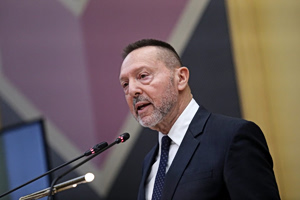
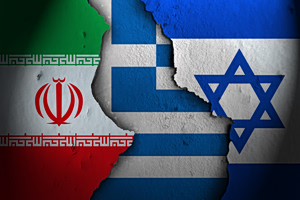
Central bank governor warns that geopolitical tensions and the war in the Middle East are set to slow Greece’s economic momentum in 2026, with weaker consumption and external pressures weighing on growth and inflation trends
All economic data and forecasts, ranging from international institutions to credit rating agencies, local authorities, and financial pundits, presented a sanguine narrative for the Greek economy in 2026. However, the protracted conflict in the Middle East has upended these optimistic projections, which anticipated economic growth to hover upward of 2% in 2026, with Greek authorities even […]
Rising energy costs and prolonged geopolitical uncertainty are weighing on Greece’s outlook, with inflation risks, slower growth and structural weaknesses shaping assessments by global lenders and rating agencies.
Tourism and shipping carry significantly greater weight in the economies of Greece and Cyprus compared with most other European Union countries
The wage increase lifts nominal pay for 700,000 workers, but faster-rising energy, housing and food costs, weak purchasing power and pressure on businesses mean much of the gain is quickly absorbed, limiting its impact on real incomes.
Morningstar DBRS has left its forecast for Greece’s economic growth in 2026 unchanged at 2%, despite heightened geopolitical uncertainty, while slightly trimming its 2027 outlook to 1.8%. In an update to its baseline macroeconomic scenarios, the ratings agency said the projections reflect current market consensus, drawing on the median estimates of a broad range of […]
The Motor Oil Group announced adjusted EBITDA of €1.2 billion — and a generous dividend of €1.75 per share
Find out in detail how to receive the €200–€600 voucher in this year's "Tourism for All" programme
A report by Eurobank revealed that in Greece, highly educated young people are more likely to be outside employment and education compared to their peers in the EU
Deputy Minister of Labour Kostas Karagkounis stated that starting April 1, Greece will be raising the minimum wage above 880€ with the exact figure to be formally proposed to Cabinet by Labour Minister Niki Kerameus on March 24
Fitch Ratings highlights the country’s strong growth rates compared to the EU average, and the banking sector's solid performance.
A halt in Qatari LNG production is rattling global energy markets, and Greece, which is heavily dependent on imported fuel, could potentially face rising inflation, a wider trade deficit, and slower growth.
Rising Middle East tensions and the risk of another energy price surge are testing how much fiscal space Greece has to shield households and the economy from a new wave of inflation.
With oil prices spiking and inflation creeping back up, a string of sovereign credit reviews — starting with DBRS on Friday — will put Greece's hard-won investment-grade status to the test
Athens is on high alert as rising oil prices and geopolitical uncertainty raise fears of inflation, weaker consumption, and pressure on tourism if the Middle East crisis drags on.
January revenues slightly exceeded targets while spending came in sharply lower, though timing shifts and a motorway concession deal influenced the headline fiscal result.
With a new increase set for April 1, 2026, most institutions back a moderate rise that would lift the gross monthly minimum wage to about 915 euros, as the government keeps its sights on 950 euros by 2027.
With the Recovery and Resilience Facility expiring in August, Athens faces mounting pressure to finalize reforms and investment milestones while maintaining its position among the EU’s top fund absorbers