 Μake us preferred on Google
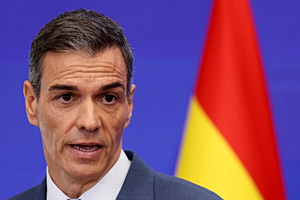
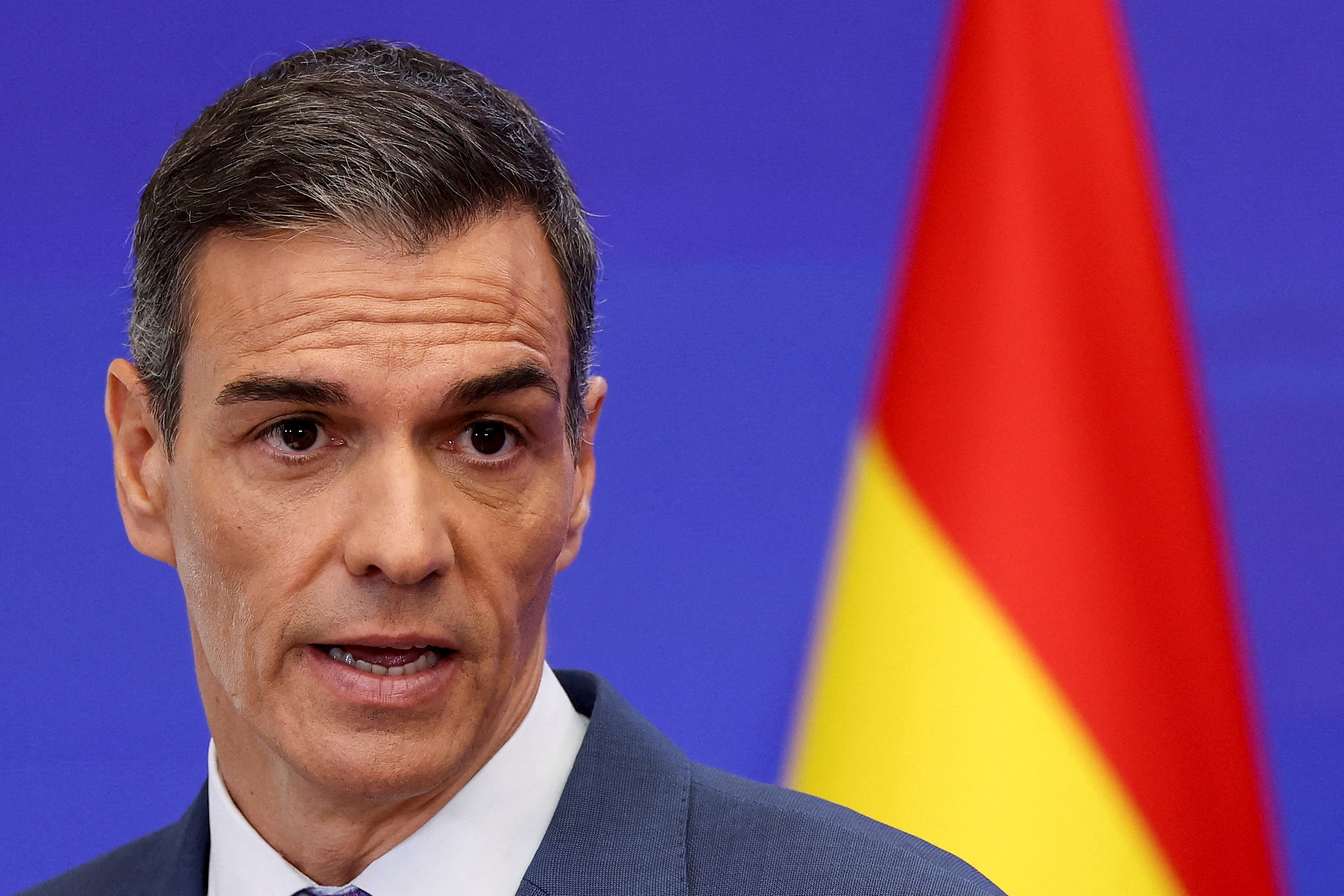
 Spanish Prime Minister Pedro Sánchez announced Monday that Spain will hold a snap general election on Nov. 29, seeking a stronger parliamentary mandate after lawmakers rejected his government’s emergency housing measures. The announcement brings forward a national vote that had been expected next year.
Speaking from the Moncloa Palace, Sánchez said he had informed King Felipe VI of his decision and would convene an extraordinary Cabinet meeting to initiate the election process. He argued that Spain needed a broader progressive majority to address inequality, strengthen public services and improve access to housing.
The immediate trigger was a parliamentary defeat of two housing decrees on Friday. The conservative Popular Party (PP), far-right Vox and Catalan separatist Junts voted against the measures.
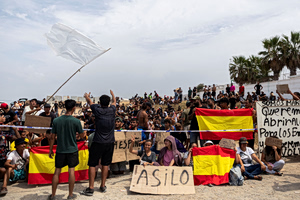
The rejected measures included provisions intended to reduce evictions and curb property speculation. The proposals came on the back of demonstrations across Spain and intense public anger after the televised eviction of an 87-year-old woman in Madrid last month.
In his address Sánchez acknowledged that his government had made mistakes and had failed to deliver everything it promised. He also recognized dissatisfaction among its supporters, while defending the coalition’s record and arguing that further social reforms required renewed public backing.
The gamble comes with his Socialists trailing in opinion polls. Reuters reported that housing proposals maybe potentially offer Sánchez a political opening following scandals and setbacks that weakened his domestic standing. However, a defeat at the end of November could bring a government led by the Popular Party with support from Vox.
Sánchez has governed since 2018 and retained office after the 2023 election through a complex network of parliamentary agreements. But those alliances have become increasingly difficult to sustain, with Junts joining the national right to defeat the housing package.
In his address, he framed November’s vote as a choice between continuing progressive reforms and handing power to the far right, appealing to voters to give his government the strength to pursue its agenda.
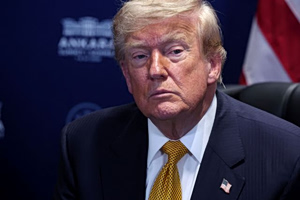
Sánchez has stood out globally for taking a strong stance on progressive issues, including on Palestinian statehood and defending multilateral institutions, to cracking down on tech oligarchs and supporting what Europe’s right consider to be “risky” asylum conditions. His positions have drawn the ire of the Trump administration and in some cases his European neighbors as well.
cn