 Μake us preferred on Google
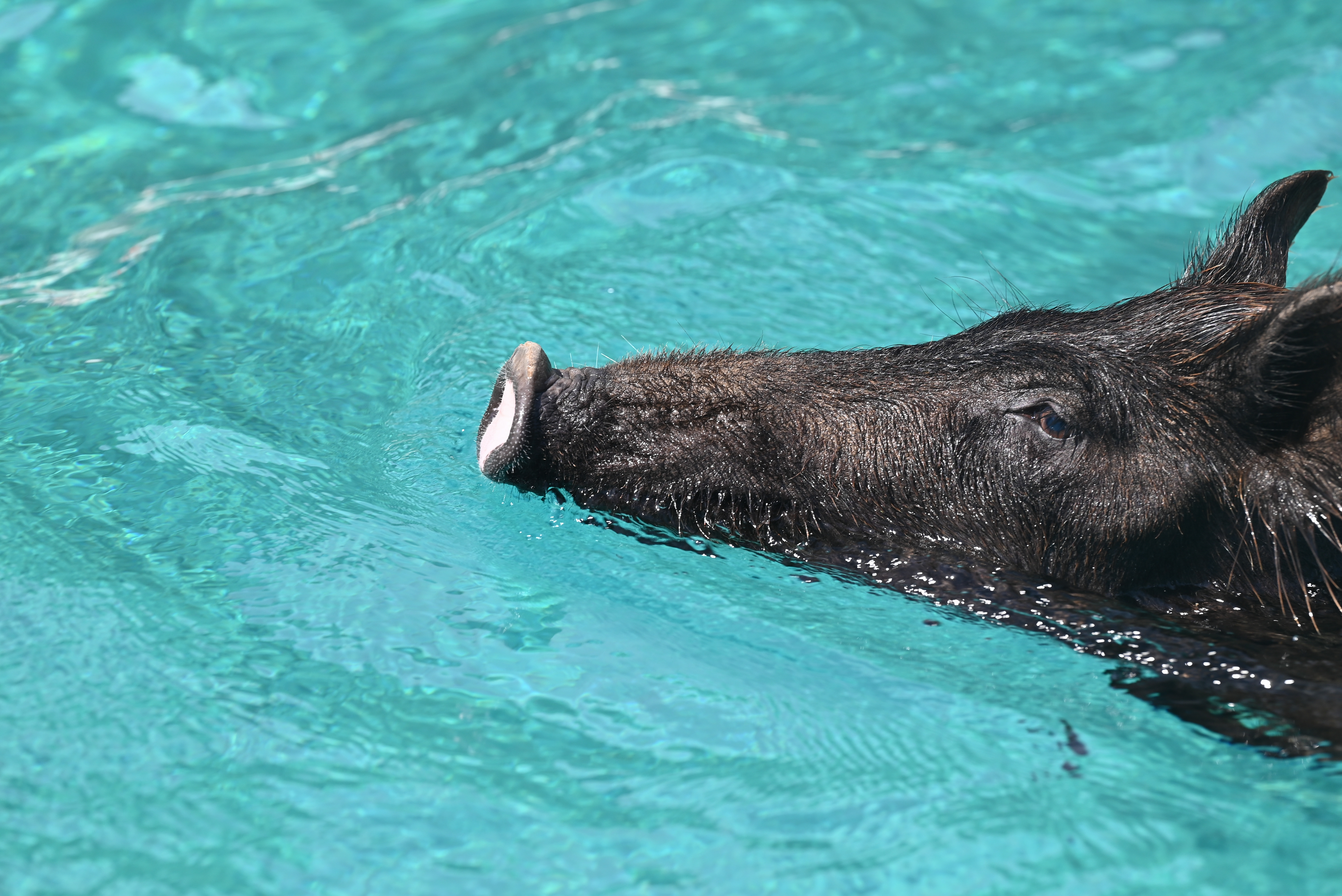
 Until recently, Atokos, a small private island in the Ionian Sea, was relatively unknown to the wider public. That changed after videos of its black pigs roaming freely along the beaches and entering the sea went viral on Instagram and TikTok.
The island has since acquired an unofficial nickname: “Piggy Island.”
The pigs have become a tourist attraction, with excursions now organized from neighboring islands specifically for visitors who want to see, feed, photograph and swim alongside the animals.
In some cases, visitors reportedly use fruit to lure the pigs closer to their boats.
@roby_pass 🌺🌺🌺🌺 #piggyisland🐽 #atokos #piggy #mcdonald #sea ♬ som original – Giovanna Rocha
From wildlife encounter to tourist attraction
The idyllic images circulating online have taken on a different dimension in recent days following complaints about the way the animals are being approached by tourists.
On September 27, the Panhellenic Animal Welfare and Environmental Federation accused tour operators and visitors of organized exploitation of the semi-wild pigs.
The federation raised concerns about continuous feeding and frequent human interaction, warning that these practices could affect the animals’ natural behavior and welfare.
The organization also cited a September 25 complaint alleging that pigs were injured by boat propellers and remained on the beach without receiving immediate veterinary care.
It called for the competent authorities to investigate the allegations.
The cost of a viral destination
The case of Atokos raises a broader question about the boundary between observing animals in their natural environment and turning them into a tourist attraction.
When human presence involves feeding, approaching animals, taking selfies and bringing dozens of boats into the area, the animals can gradually cease to be simply part of the landscape and instead become the attraction itself.
For Atokos, the viral images that helped transform the island into a destination now raise questions about the cost of that popularity — a cost that can remain outside the frame of the social media videos that made the island famous.