 Μake us preferred on Google
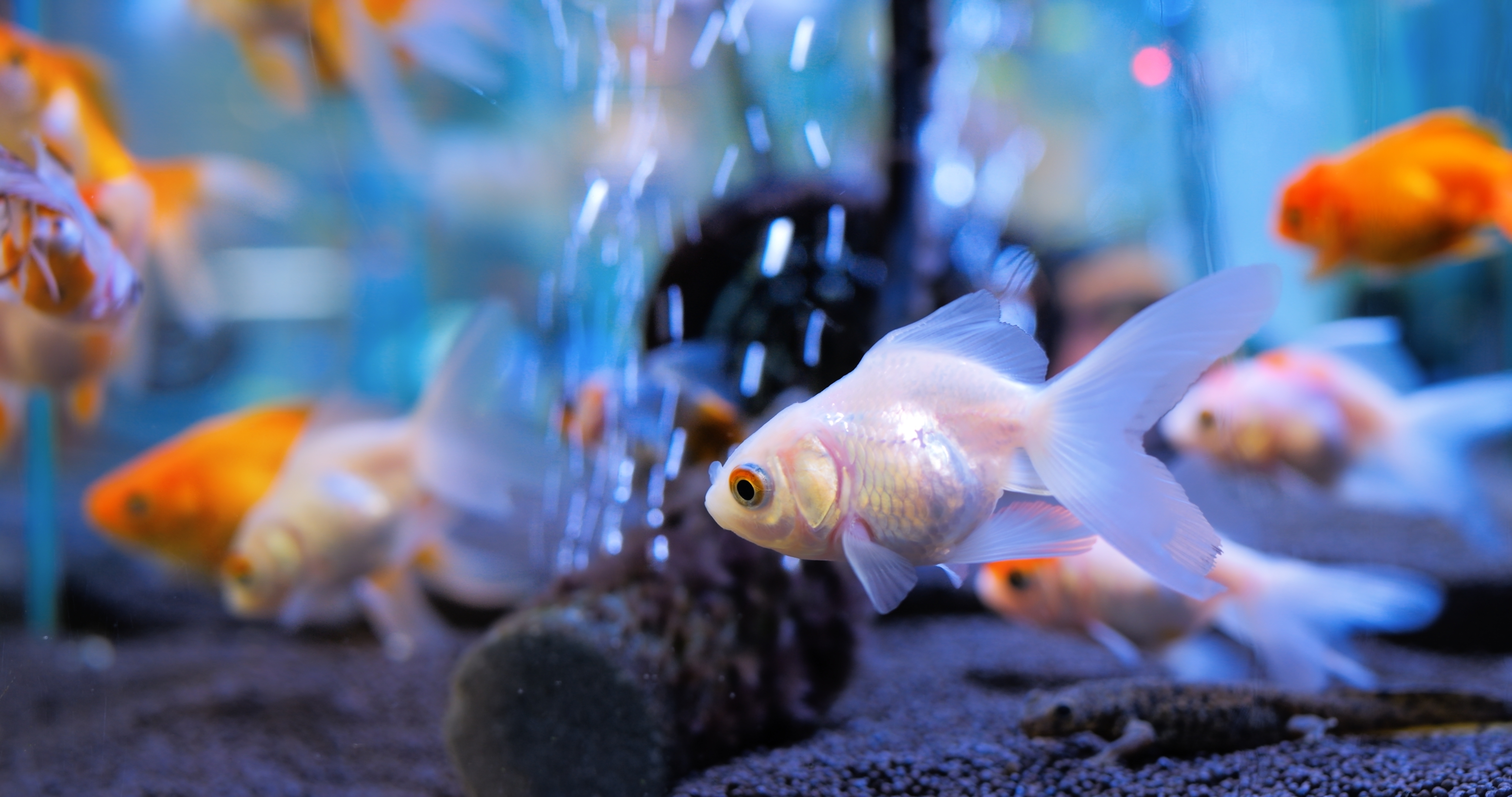
 Two goldfish named Fede and Maggie, kept in a glass tank at the entrance of a sushi restaurant in Buenos Aires, became the subjects of a landmark ruling after a court recognized them not as objects but as sentient beings entitled to protection.
The case began when members of the animal welfare group Jaulas Vacías noticed the poor conditions the fish were living in: a small tank exposed to bright lighting, loud street noise, and constant human interference. The group’s lawyer, Matías Truffero, argued the setup didn’t meet the animals’ basic needs and raised concerns about possible mistreatment.
Jaulas Vacías filed a legal complaint under Argentina’s animal cruelty laws, asking not just for the fish to be removed from the tank but for broader legal recognition of their status.
With input from outside experts, the group argued that fish have needs, sensations, and survival requirements that the tank simply couldn’t provide. The court agreed to relocate them, and Fede and Maggie left their 40-liter tank for a 2,500-liter aquarium in the home of specialist Carlos José Aga, who took them in. Aga reported their condition improved noticeably after the move.
Repercussions Beyond
The most significant part of the ruling wasn’t just the fish’s rescue, but the shift in how they’re treated under the law: the organization sought recognition of the fish as “subjects of rights,” meaning living beings capable of holding protected interests. Under this ruling, similar mistreatment cases would no longer treat animals purely as someone’s property, but as victims deserving protection. Truffero noted that the key point is that they stop being considered “things,” a shift he said could shape future cases.
Aga, one of the experts involved, stressed that fish have very specific biological needs, from water quality to swimming space to ecosystem stability, all of which directly affect their health. He compared keeping two fish in an unsuitable tiny tank to placing a large animal in an environment completely at odds with its natural needs.
A Similar Case of Recognition
In 2014, a Buenos Aires court recognized Sandra, an orangutan who had spent years in a zoo, as a “non-human person,” a ruling considered historic for finding that captivity itself, even without visible abuse, can violate an animal’s rights. Sandra was later moved to a sanctuary in Florida. Similar cases have emerged in other countries as legal thinking around animals’ place in society continues to evolve.