 Μake us preferred on Google
 China offered Taiwan what it described as energy stability on Wednesday, framing the proposal as a benefit of “peaceful reunification” under Beijing’s rule, even as Taiwan continues to reject sovereignty claims.
The offer comes amid a global scramble for energy supplies during the Middle East war, which has disrupted shipping lanes through the strategic Strait of Hormuz, a critical artery for global oil and gas.
Chen Binhua, spokesperson for China’s Taiwan Affairs Office, told reporters that a “strong motherland” would ensure Taiwan citizens enjoy “stable and reliable energy and resource security” if reunification were accepted. “We are willing to provide Taiwan compatriots with stable and reliable energy and resource security, so that they may live better lives,” he said.
Taiwan Secures Alternative Supplies
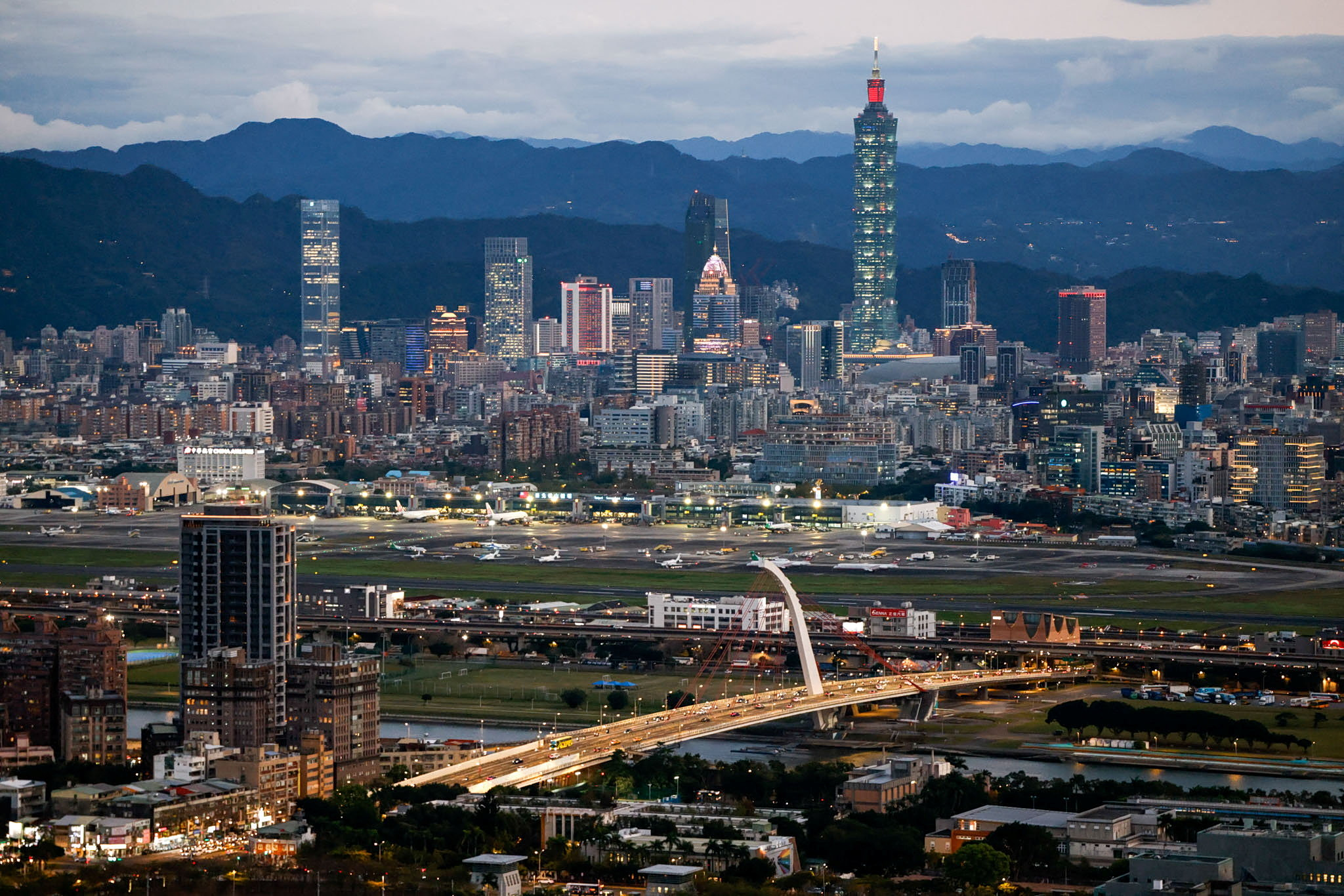
Taiwan, which previously sourced a third of its LNG from Qatar and none from China, has secured alternative energy supplies for the coming months, primarily from the United States, the island’s main international backer.
Speaking at a meeting of the ruling Democratic Progressive Party in Taipei, President Lai Ching-te confirmed energy supplies for March and April are assured, with further U.S. gas imports planned from June. “Taiwan has adopted a diversified and multi-source strategic approach to energy imports,” Lai said.
Longstanding Tensions Persist
China has long promoted a “one country, two systems” model for Taiwan, which no major Taiwanese political party supports. Xinhua, China’s state news agency, outlined last October the economic and strategic advantages Taiwan would gain after reunification, contingent on governance by “patriots.” Beijing has never renounced the use of force to achieve control over the island.
China, the world’s top oil importer, also recently banned fuel exports until at least the end of March to safeguard domestic supply, curbing exports that totaled $22 billion last year.