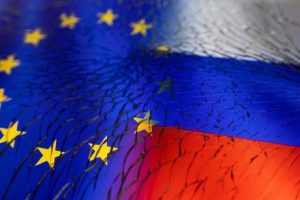
Russia’s central bank announced on Thursday that it will sue European banks in Russian courts over attempts to use frozen Russian assets to finance Ukraine, as reported in Reuters. The bank is demanding not only the value of the “illegally withheld assets” but also compensation for “lost profits.” Moscow has repeatedly criticized the EU plans as “piracy” and “property theft,” warning of potential retaliation, including the seizure of remaining Western assets in Russia.
EU Leaders Meet to Decide Ukraine Funding
The 27 leaders of the European Union gathered in Brussels to make decisions on raising at least €90 billion to support Ukraine’s financial and military needs for 2026 and 2027. EU Commission President Ursula von der Leyen described the summit as a “make-or-break moment” to secure funding for Ukraine and maintain Europe’s credibility in responding to Russian aggression.
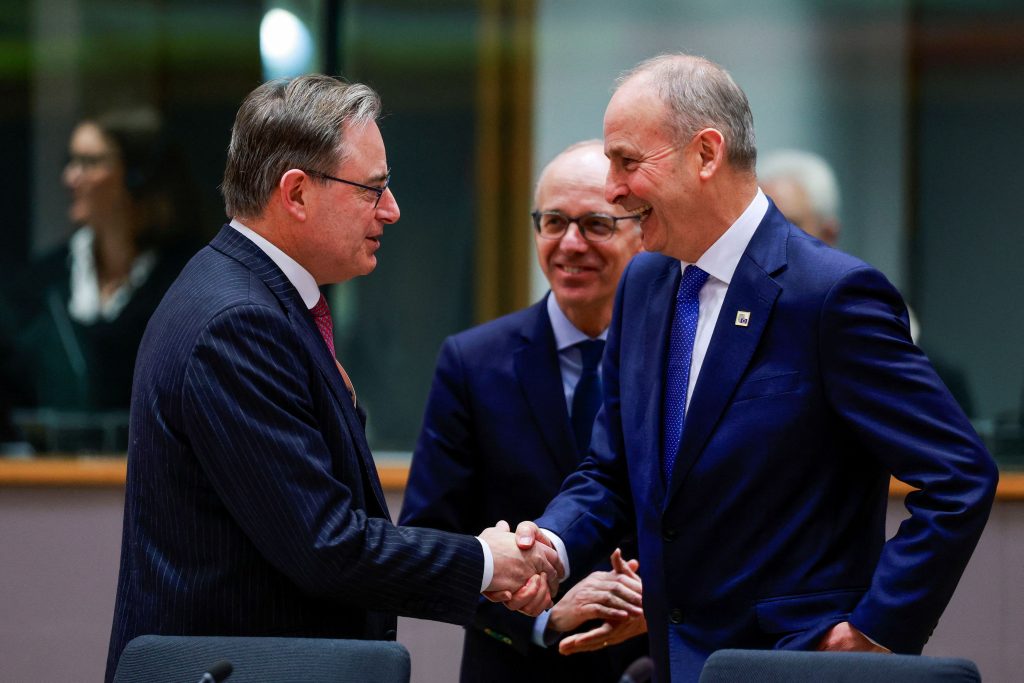
Belgium’s Prime Minister Bart De Wever shakes hands with Ireland’s Taoiseach Micheal Martin next to Luxembourg’s Prime Minister Luc Frieden as they attend a European Union leaders’ summit in Brussels, Belgium, December 18, 2025. REUTERS/Stephanie Lecocq
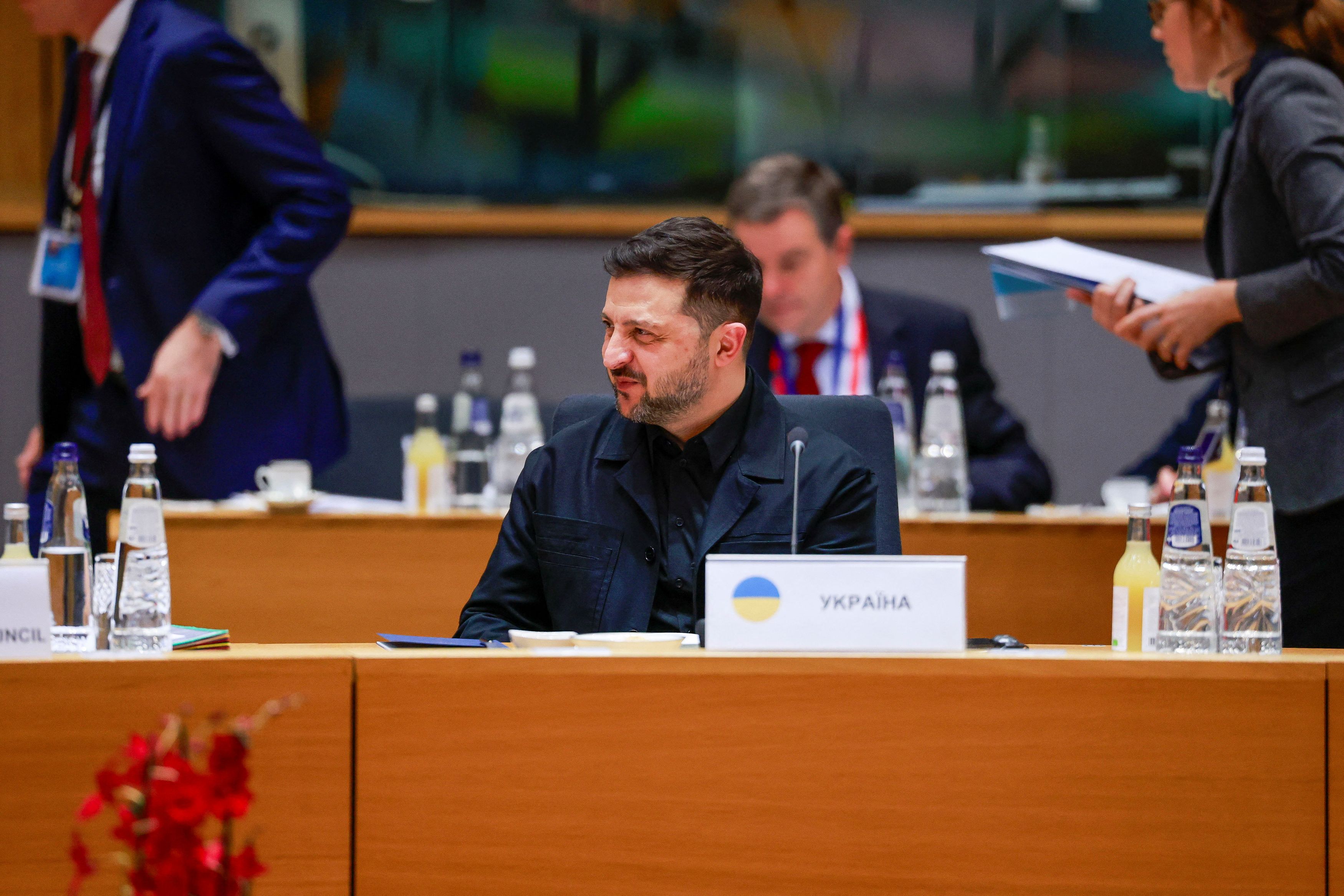
As reported in Euronews, Ukrainian President Volodymyr Zelenskyy has urged EU leaders to back the so-called reparations loan, emphasizing the importance of showing Ukraine and the world that Europe is committed to holding Russia accountable.
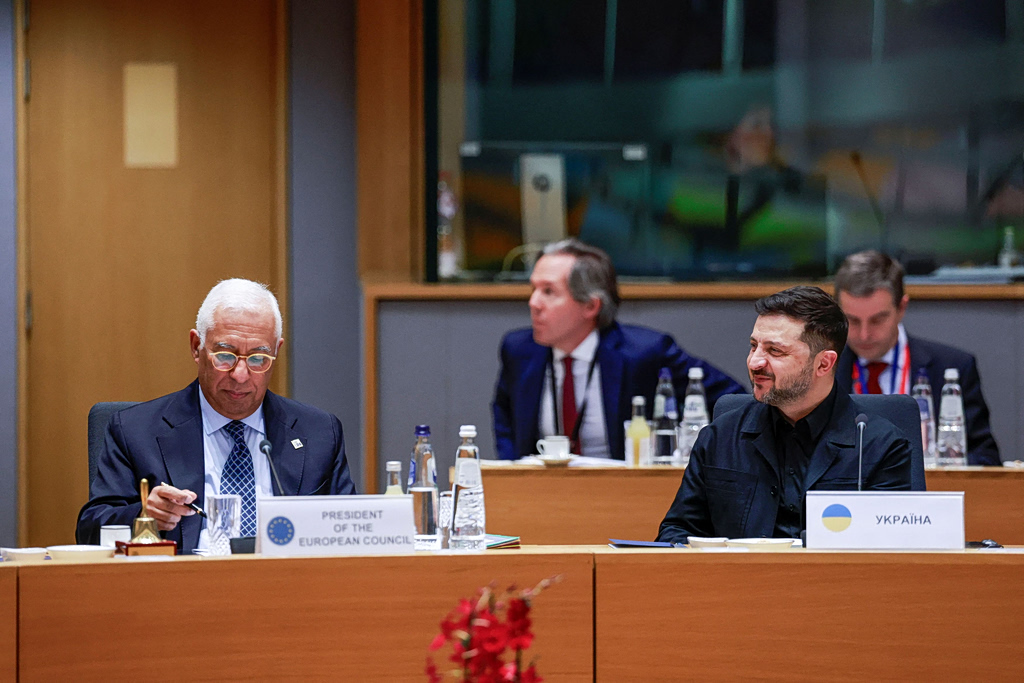
Ukrainian President Volodymyr Zelenskiy and European Council President Antonio Costa attend a European Union leaders’ summit in Brussels, Belgium, December 18, 2025. REUTERS/Stephanie Lecocq/Pool
Reparations Loan Proposal
The EU is considering a groundbreaking proposal to channel immobilized Russian central bank funds into a zero-interest “reparations loan” for Ukraine. Under this plan:
- Ukraine would receive funds immediately.
- Repayment would only occur once Moscow compensates for war damages.
- The EU avoids immediately spending its own funds while supporting Kyiv.
This approach is seen as the preferred option for most EU states, providing significant support without adding to national debt.
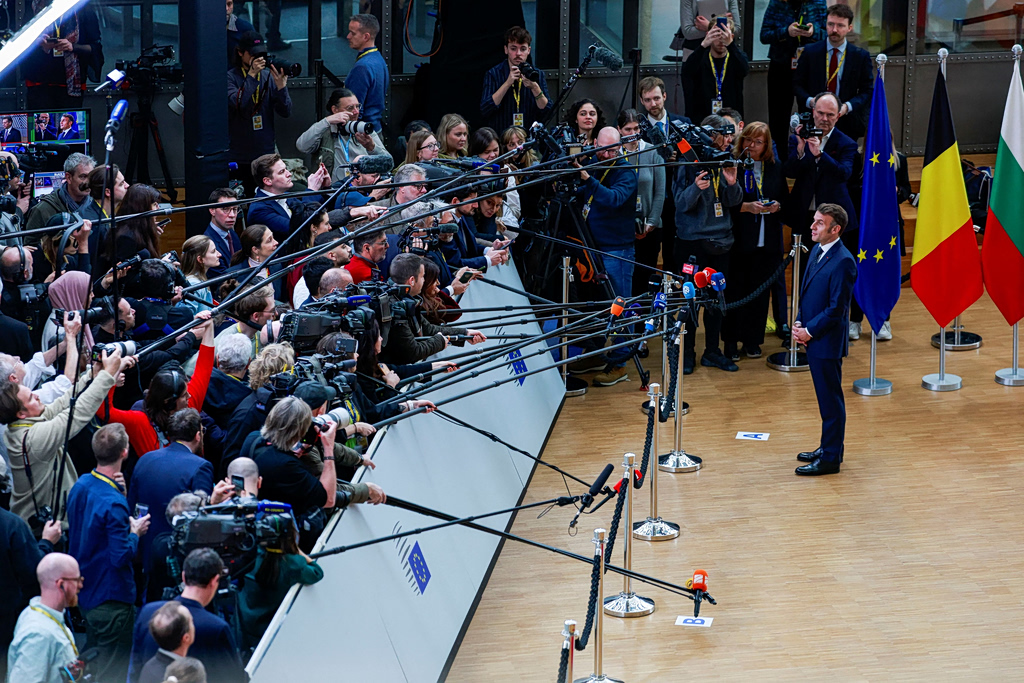
France’s President Emmanuel Macron speaks to the media at a European Union leaders’ summit in Brussels, Belgium, December 18, 2025. REUTERS/Stephanie Lecocq
Belgium Demands Guarantees
As reported in the Guardian, António Costa, the president of the European Council, emphasized the need for Belgium’s approval to move on with reparations loans, as Belgium is the main country holding the largest portion of the frozen Russian assets (€185 billion), and has been a major obstacle. Prime Minister Bart De Wever emphasized that Belgium cannot take on open-ended financial liability and demanded guarantees from other EU countries to share any potential risks.
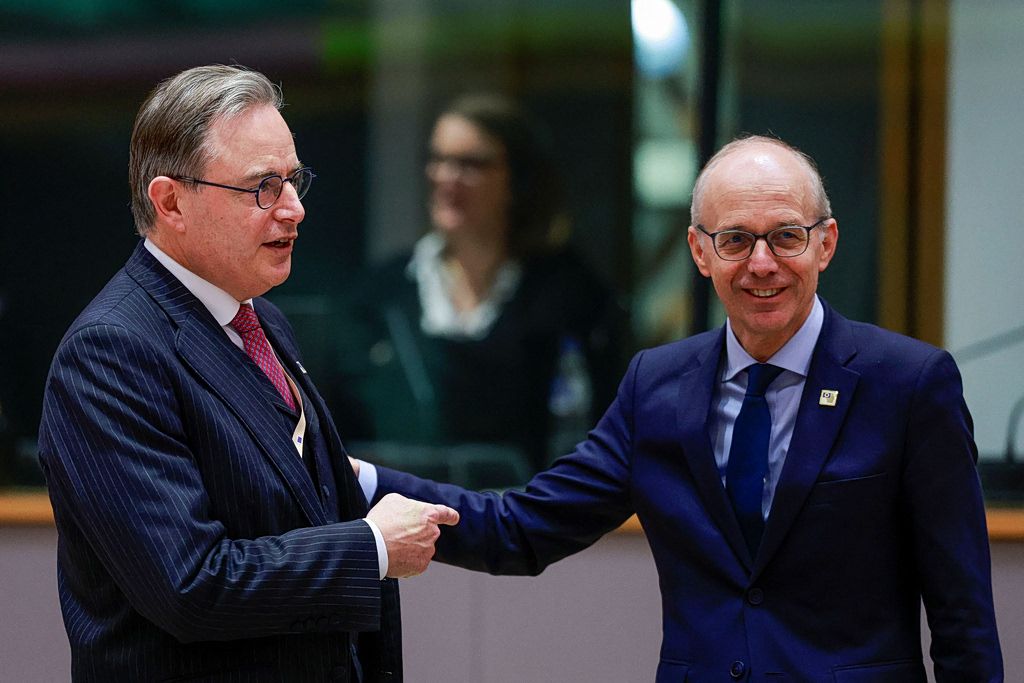
Belgium’s Prime Minister Bart De Wever speaks with Luxembourg’s Prime Minister Luc Frieden as they attend a European Union leaders’ summit in Brussels, Belgium, December 18, 2025. REUTERS/Stephanie Lecocq
“We need a parachute before we jump. If we are asked to jump, we all jump together,” De Wever said, adding that Belgium might participate only if the arrangement is mutualized and fully insulated from unilateral risks. In order to follow the proposed EU plan, as reported in The Guardian, Belgium highlighted the need for:
- Full Mutualisation of Risks: Belgium seeks open-ended guarantees to protect itself against potential multi-billion-euro damages from lawsuits. The EU Commission has capped guarantees at €210 billion, but unlimited coverage remains unresolved.
- Liquidity Safeguards: Belgium requires Euroclear, which holds most Russian assets, to always have immediate access to funds to honour legal claims. The Commission can lend to member states if needed, and the assets remain immobilized indefinitely.
- Burden Sharing: Belgium wants all EU countries holding Russian assets (Germany, Sweden, Cyprus, France) to participate in the reparations loan and encourages other G7 partners (UK, Canada, Japan) to follow suit.
Ukrainian President Volodymyr Zelenskyy is currently holding a bilateral meeting with De Wever as he still resists the “groundbreaking proposal”. At the same time, De Wever has expressed willingness to accept said plan, if his three demands are met.
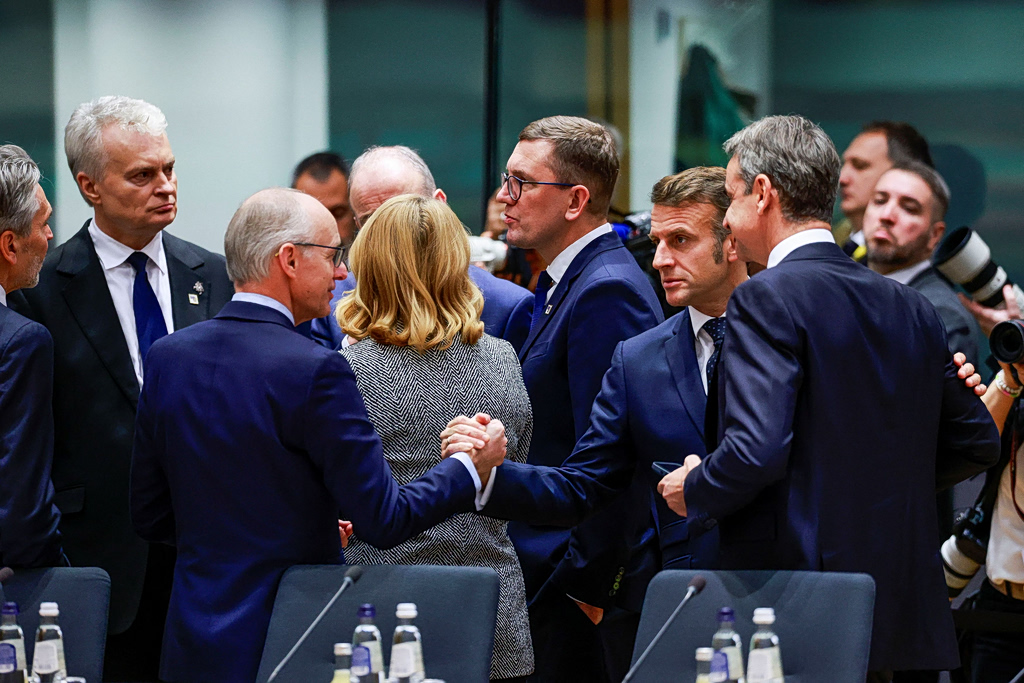
France’s President Emmanuel Macron and Luxembourg’s Prime Minister Luc Frieden greet each other as they attend a European Union leaders’ summit in Brussels, Belgium, December 18, 2025. REUTERS/Stephanie Lecocq
Alternative Funding Options
Aside from the reparations loan, EU leaders are considering joint borrowing on financial markets, similar to the strategy used during the COVID-19 pandemic. However, unanimity is required for this approach, and opposition from countries like Hungary complicates its feasibility.
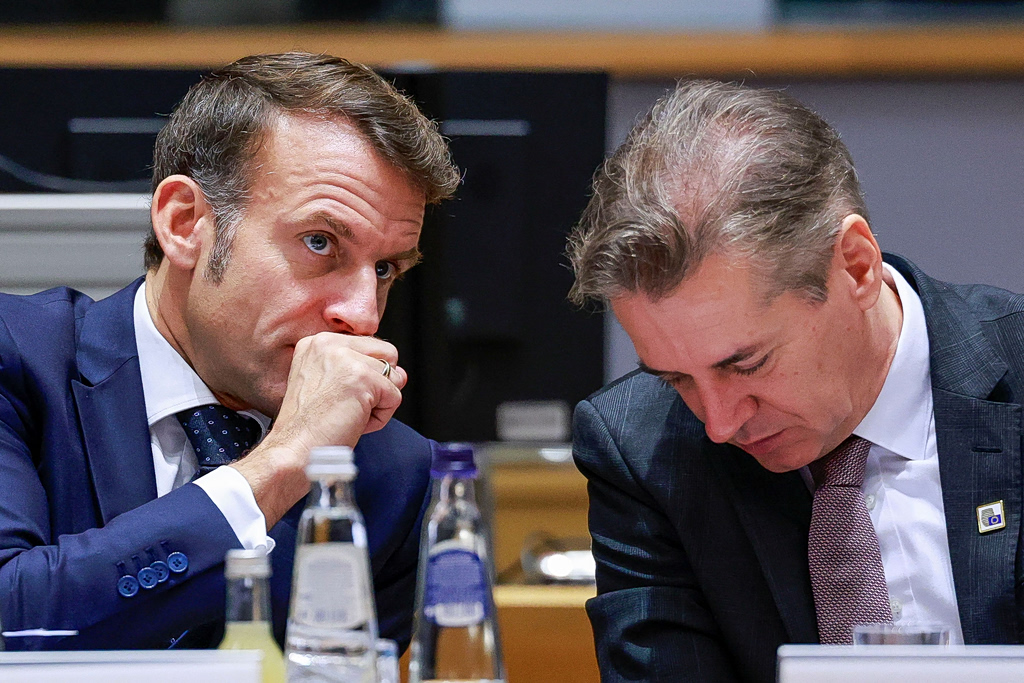
France’s President Emmanuel Macron and Slovenia’s Prime Minister Robert Golob attend a European Union leaders’ summit in Brussels, Belgium, December 18, 2025. REUTERS/Stephanie Lecocq
European Political Support and Diplomacy
European Commission officials and leaders, including Ursula von der Leyen and Roberta Metsola, stressed the urgency of decisive action. Metsola said the focus must be on “making sure this war is not simply postponed, but ended,” and on securing strong security guarantees for Ukraine and Europe.
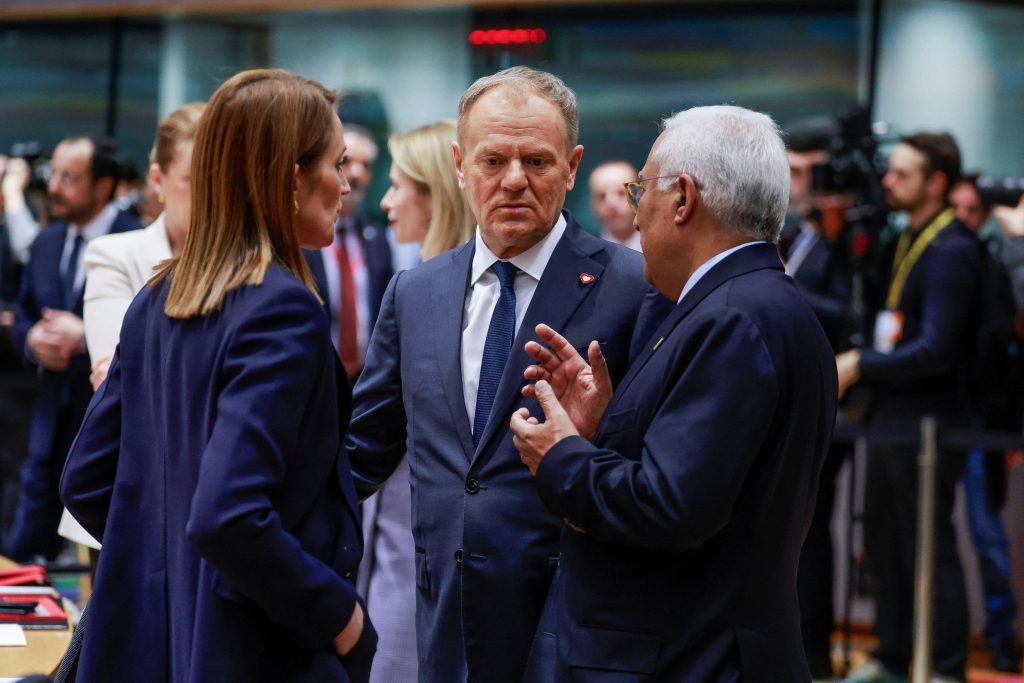
European Parliament President Roberta Metsola, Poland’s Prime Minister Donald Tusk and European Council President Antonio Costa attend a European Union leaders’ summit in Brussels, Belgium, December 18, 2025. REUTERS/Stephanie Lecocq
Estonian Prime Minister Kristen Michal emphasized that using the frozen Russian assets would signal that “Europe means business” and uphold the principle that the aggressor must pay.
Russia’s Response
In addition to its threat of legal action, Russia has explored measures to further nationalize Western assets and has conducted campaigns targeting Belgian politicians and finance officials to pressure Brussels into blocking the reparations loan.
President Vladimir Putin has labeled the EU’s plans as “piracy” and warned that Moscow may seize more Western assets if the bloc proceeds. The central bank’s legal announcement reinforces Russia’s determination to challenge any attempts to use its immobilized funds.
Stakes for the EU
The summit in Brussels represents a critical moment for Europe’s response to the war in Ukraine. Leaders must balance:
- Legal and financial risks of using frozen Russian assets
- Political commitments to Ukraine
- Maintaining unity among EU member states