 Μake us preferred on Google
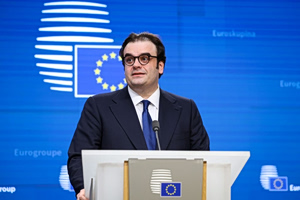
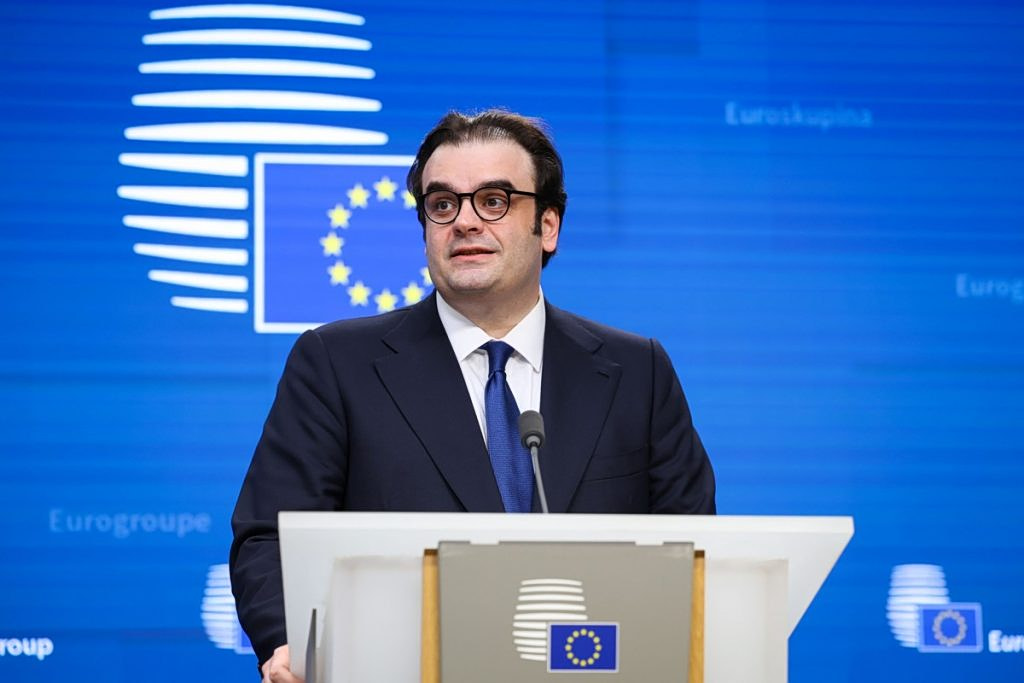
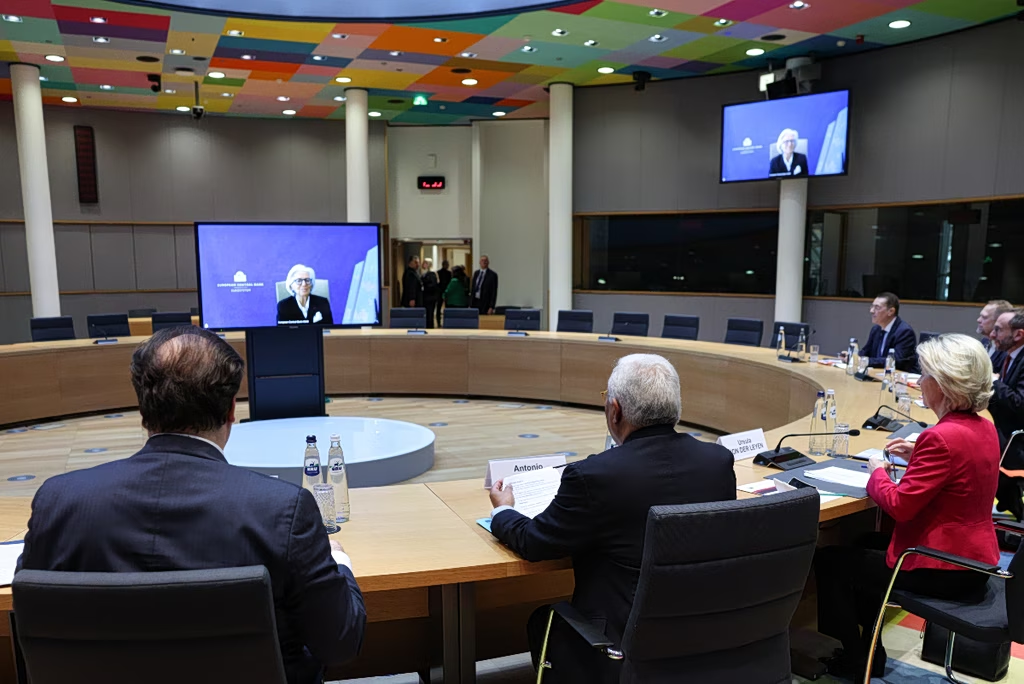
 Eurozone finance ministers are gathering in Brussels amid growing concerns over a sharp surge in global energy prices triggered by escalating tensions in the Middle East. The issue is expected to dominate discussions at the Eurogroup meeting as policymakers assess the potential impact on economic stability and inflation across the euro area.
The spike in energy costs has raised fears that the already fragile economic growth of the eurozone—currently estimated at around 1.2%—could face additional pressure if prices continue to rise. Officials are examining possible coordinated responses to mitigate the effects on national budgets and the broader European economy.
Oil Prices Climb Above $100
Global markets began the week under pressure as crude oil prices climbed above $105 per barrel, a level not seen since the early days of Russia’s invasion of Ukraine in 2022. The surge is largely linked to instability in the Strait of Hormuz, a critical maritime route through which roughly 20% of the world’s energy supply passes.
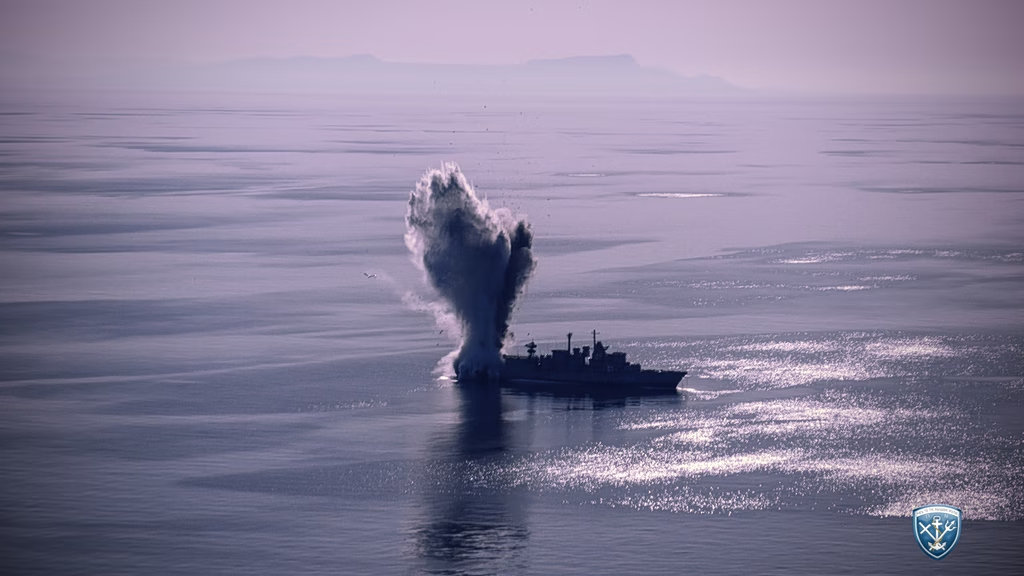
Military operations in the region have disrupted tanker navigation, raising concerns about potential supply constraints. Analysts warn that if tensions persist, oil prices could rise further to around $120 per barrel, potentially fueling a new wave of inflation.
Natural Gas Prices Jump 65%
At the same time, European natural gas prices have surged dramatically, rising by around 65% in just one week. The cost of gas has reached approximately €54 per megawatt-hour, up from €26.5 three months ago. The increase highlights Europe’s continued energy vulnerability and dependence on stable supply chains.
Focus on Coordination and Resilience
During the Eurogroup meeting, finance ministers are expected to examine several key issues, including the resilience of energy reserves in the coming months, the pressure rising energy costs place on public finances, and the need for coordinated policy responses across the European Union.
Officials aim to avoid uncoordinated national measures that could disrupt competition within the EU’s single market.
Energy experts are also expected to participate in the discussions, including senior technocrats such as Christian Zinglersen, former head of the EU energy regulator ACER, and Damian Cortinas of the European electricity network association ENTSO-E. They will provide analysis on how high energy prices could affect Europe’s competitiveness and long-term economic outlook.