 Μake us preferred on Google
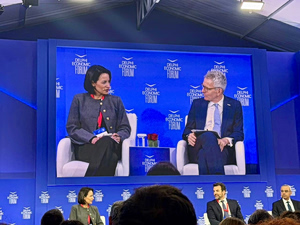
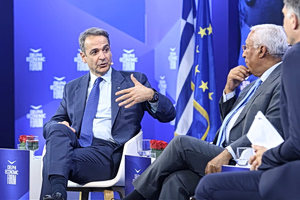
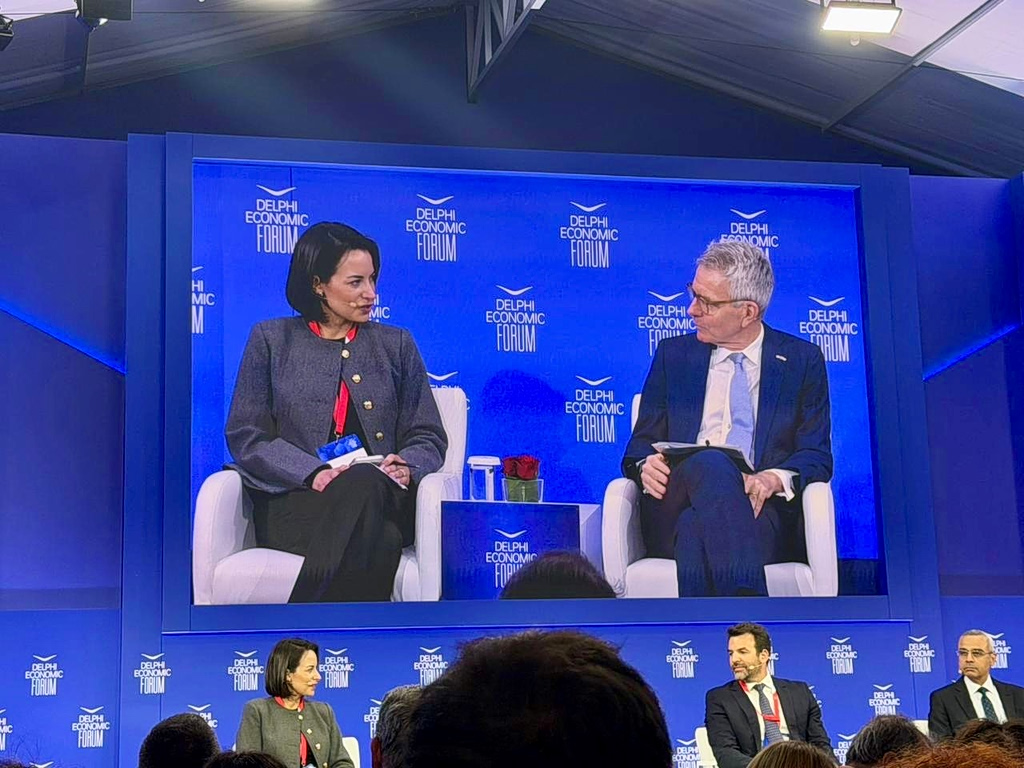
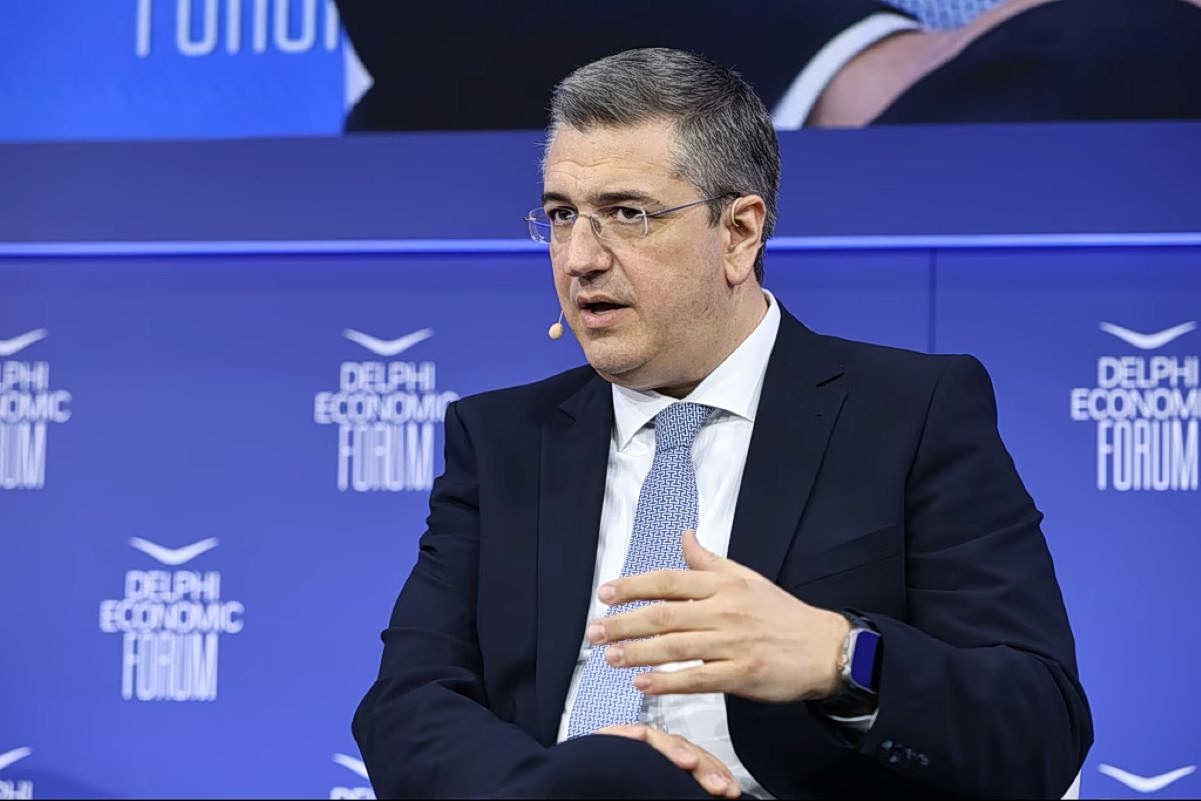
 At the 11th Delphi Economic Forum, held April 22–25, European Commissioner for Transport and Tourism Apostolos Tzitzikostas and Infrastructure and Transport Minister Christos Dimas outlined Greece’s ongoing infrastructure upgrades while addressing fuel supply risks linked to the Middle East crisis.
Tzitzikostas reassured that fuel supplies remain sufficient for now, noting that EU emergency reserves can cover approximately 90 days. While the market continues to secure fuel—albeit at significantly higher prices—he explained that recent flight cancellations are largely due to rising costs making certain routes financially unviable for airlines.
However, he warned that shortages could emerge if the Middle East crisis persists and transit through the Strait of Hormuz is not restored by early June. In such a scenario, coordinated EU-wide measures are already under consideration to manage reserves and mitigate disruptions.
On tourism, Tzitzikostas struck a cautiously optimistic tone for the upcoming summer season, though he acknowledged a likely decline in arrivals from Asia.
He also highlighted a large-scale European initiative to facilitate military mobility across the continent, involving 500 infrastructure points and a total investment of €100 billion, expected to be completed by 2030.
Addressing the Tempi railway tragedy, Tzitzikostas described it as an “open wound,” stressing that it will remain so as long as violations of EU regulations persist. He noted that Greece has adhered closely to project timelines over the past 18 months, with two state-of-the-art trains expected this summer and a fully modern rail system targeted by the end of 2026.
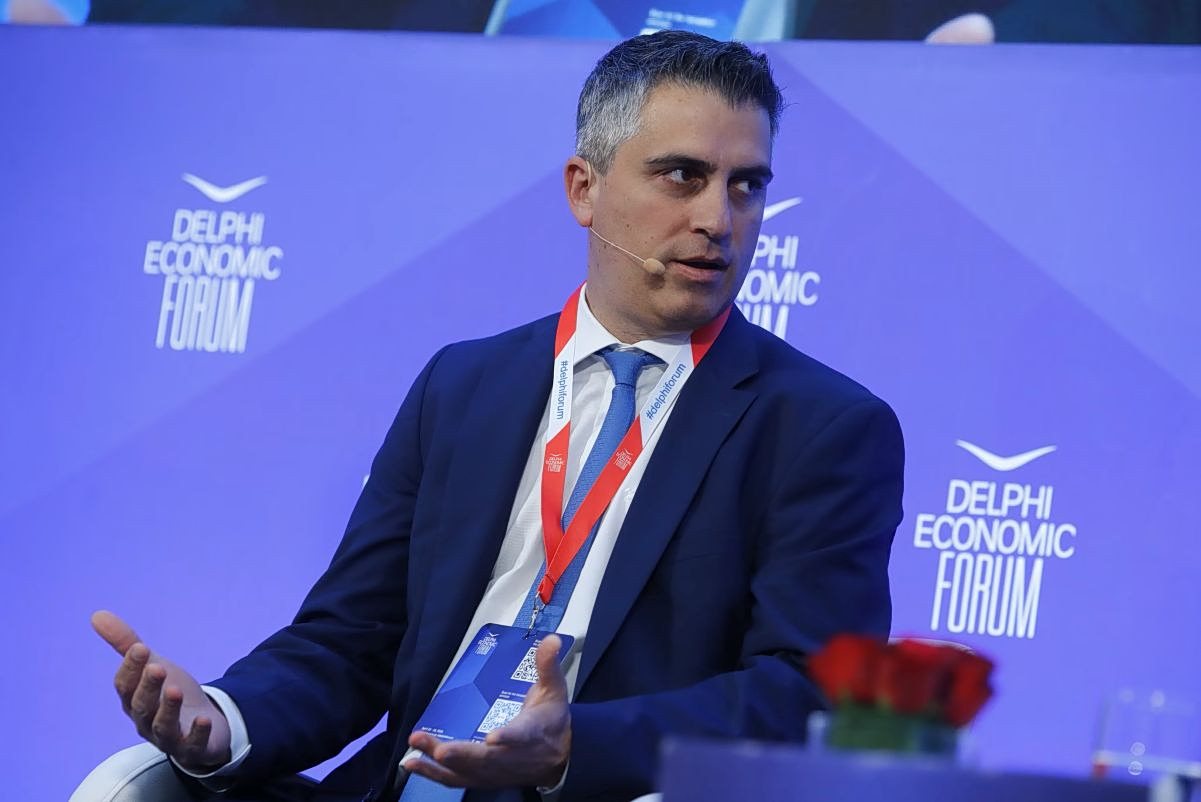
From his side, Minister Dimas emphasized strong coordination with the EU, member states, and airlines regarding fuel monitoring and transparency. Responding to a question about the airport blackout last January, he pointed to ongoing contracts for new aviation systems, including the VCRS system—which he said would have prevented the outage—as well as additional upgrades pending approval.
These initiatives are part of a broader 276-point plan developed in cooperation with the European Commission to comprehensively upgrade Greece’s air navigation infrastructure by December 2028, with several components to be completed earlier.
Dimas also referenced plans for a vertical transport corridor linking Greece, Bulgaria, and Romania, highlighting its regional importance. Following an initial memorandum, further steps will be defined through a trilateral meeting in Thessaloniki. Tzitzikostas added that an initial €280 million in funding for the project will be delivered on May 9, calling it “Europe’s most critical artery,” though without specifying a completion date.
On recovery and development projects, Dimas noted that 45 kilometers of the E65 highway, worth 480 million euros, will be delivered in early summer. He also reported 600 million euros allocated to repair damage caused by Storm Daniel in Thessaly, with work completed at 200 sites and ongoing at another 200.
Additional projects include upgrades to the Athens–Thessaloniki railway line, road safety improvements in Chania, and continued progress on the Northern Crete Highway.
Concluding, Dimas reaffirmed that Greece’s trains and transport systems are safe, while emphasizing that ongoing investments in telematics, aviation systems, and road safety aim to further enhance overall security.