 Μake us preferred on Google
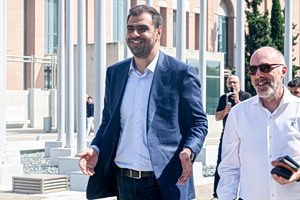
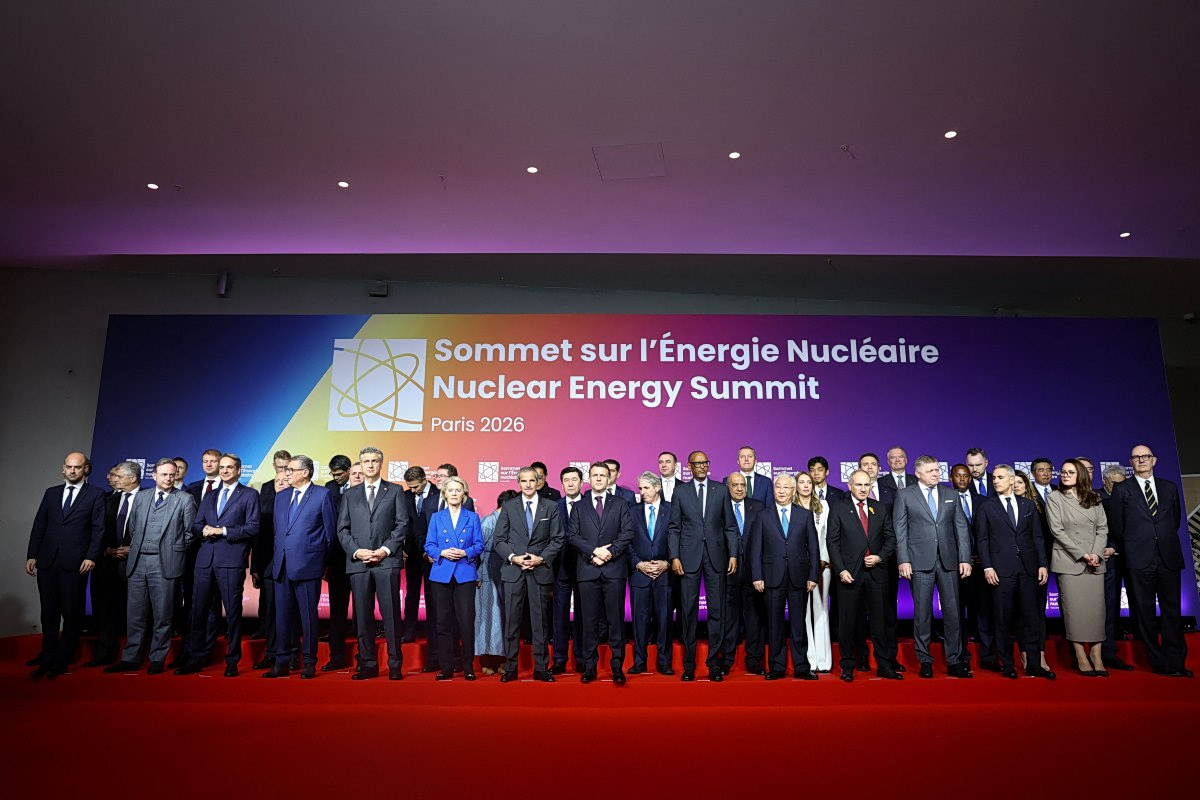
 European leaders convened in Paris on Tuesday for a high-profile summit on nuclear energy and its civilian applications, attended by representatives from 41 countries and multiple international organizations. Greece is represented by Prime Minister Kyriakos Mitsotakis.
This is the second summit of its kind, following the inaugural meeting in Brussels in 2024. French officials emphasize that the event aims to promote nuclear energy as a cornerstone of the energy transition, reducing reliance on carbon emissions. The initiative builds on commitments made during COP28 in Dubai, which set a goal to triple nuclear power production by 2050.
Key Outcomes and Discussions
The summit is expected to produce:
- A joint statement from all participating nations.
- A declaration from 16 European countries, including Greece, forming a nuclear alliance.
- A financial statement outlining investment priorities.
Discussions will focus on three main areas:
- Nuclear energy’s contribution to growing carbon-free energy demand.
- Financing strategies for nuclear development.
- Innovation and technological advancement, including new reactor designs.
European Focus: Ursula von der Leyen’s Address
European Commission President Ursula von der Leyen will highlight research, development, innovation, and EU funding. Planned investments from 2028 to 2034 are estimated at €10 billion, supporting industrial projects and nuclear innovation.
Macron: Nuclear Power as Europe’s Strategic Key
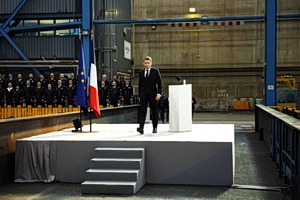
French President Emmanuel Macron called for a radical unification of Europe’s nuclear sector, citing nuclear energy as essential for European independence. He noted France exported 90 terawatt-hours of low-carbon electricity last year, enabling leadership in data centers and AI-driven technologies.
Macron stressed standardizing nuclear reactor design across EU countries to enhance competitiveness, advocating for close cooperation among national nuclear safety authorities. He identified Small Modular Reactors (SMRs) as a significant opportunity for Europe but warned the continent must accelerate efforts to stay globally competitive. Uranium enrichment and supply diversification are central to achieving energy autonomy.
Finally, Macron emphasized the need for integrated European electricity infrastructure, envisioning a unified market with a dense network of interconnectors to allow free energy flow. He concluded that only through nuclear unification can Europe increase jobs and maintain international economic and technological leadership.