 Μake us preferred on Google
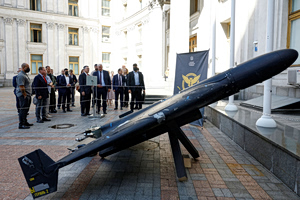
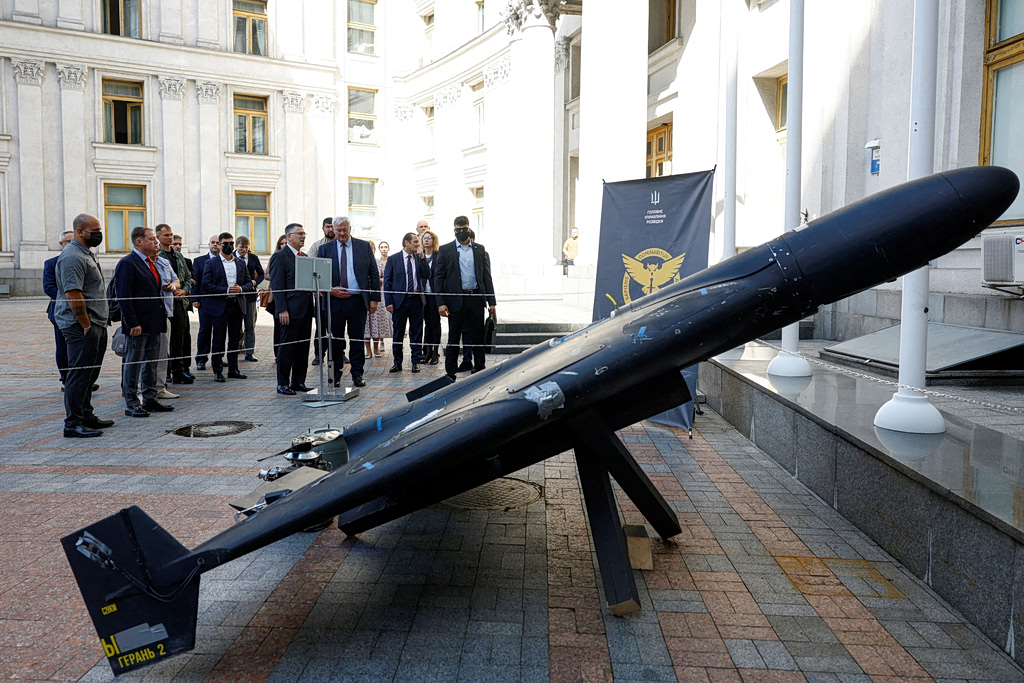
 Gulf leaders are set to meet in Saudi Arabia on Tuesday for an emergency summit aimed at shaping a unified response to Iranian missile and drone attacks that have targeted the region during the ongoing conflict.
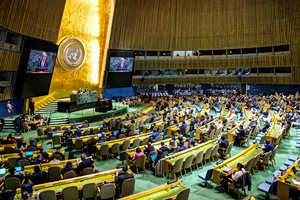
The exceptional gathering of the Gulf Cooperation Council (GCC) in Jeddah marks the first in-person meeting of leaders since their countries became directly affected by the war, which began on February 28 with U.S. and Israeli strikes on Iran.
According to a Gulf official, the summit will focus on addressing the impact of thousands of Iranian attacks on GCC states and coordinating next steps as the region navigates a fragile ceasefire.
Infrastructure damage and regional concerns
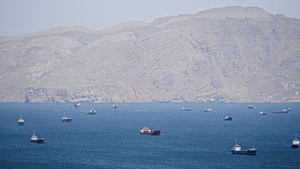
The conflict has caused significant damage to key energy infrastructure across all six GCC member states. Civilian facilities, including those linked to U.S. firms, as well as military installations, have also been hit.
Although attacks have eased since a ceasefire between the United States and Iran took effect on April 8, concerns remain high across Gulf capitals about the potential for renewed hostilities. Efforts to reach a permanent agreement between Washington and Tehran have so far failed to produce results.
Leaders expected to attend include Qatar’s emir, Kuwait’s crown prince and Bahrain’s king. It remains unclear who will represent Oman and the United Arab Emirates, alongside host Saudi Arabia.
Criticism of GCC response
The summit comes amid criticism from within the bloc over its handling of the crisis. The United Arab Emirates has publicly voiced dissatisfaction with the GCC’s response, describing it as inadequate.
Senior UAE official Anwar Gargash said the group had provided logistical support among members but lacked a strong political and military stance.
“I expected such a weak position from the Arab League, and I am not surprised by it, but I have not expected it from the GCC,” Gargash said at a conference on Monday.
Push for coordinated strategy
The meeting is expected to focus on strengthening coordination among member states and addressing shared security concerns, particularly around the protection of energy and civilian infrastructure.
With the ceasefire holding but negotiations still inconclusive, Gulf leaders face mounting pressure to present a more unified and decisive approach to the ongoing crisis.