 Μake us preferred on Google
 For a fifth consecutive day, traffic through the Strait of Hormuz has been suspended, paralyzing a critical artery that carries roughly 20% of the world’s oil and natural gas supplies.
Iranian media broadcast statements from a senior official of the Islamic Revolutionary Guard Corps warning that any vessel attempting to transit the strait would come under fire. The threat has deepened fears across the maritime industry, prompting a near-total halt in crossings.
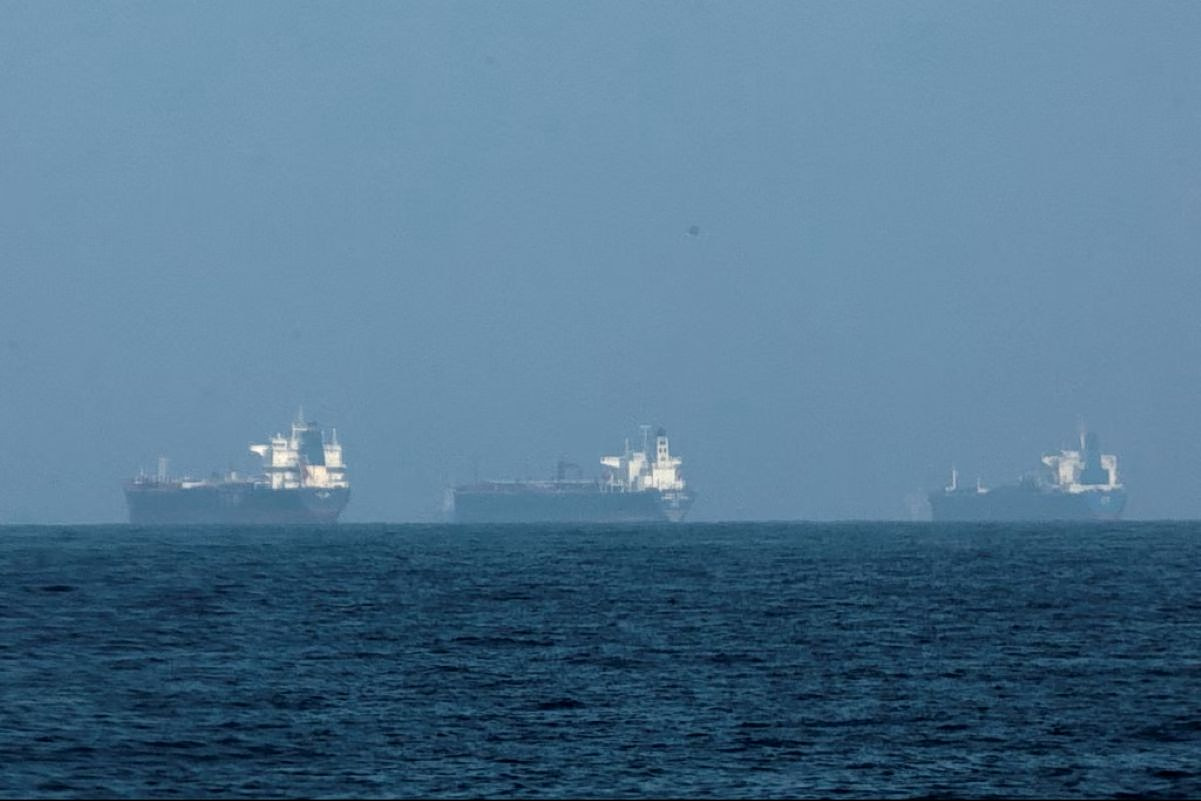
According to British shipbroker Clarksons, around 3,200 vessels of all types are currently stranded inside the Persian Gulf — equivalent to 4% of the global fleet. Ship arrivals at the strait have plunged by 80% in recent days compared with pre-conflict levels.
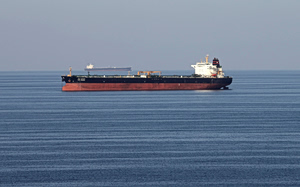
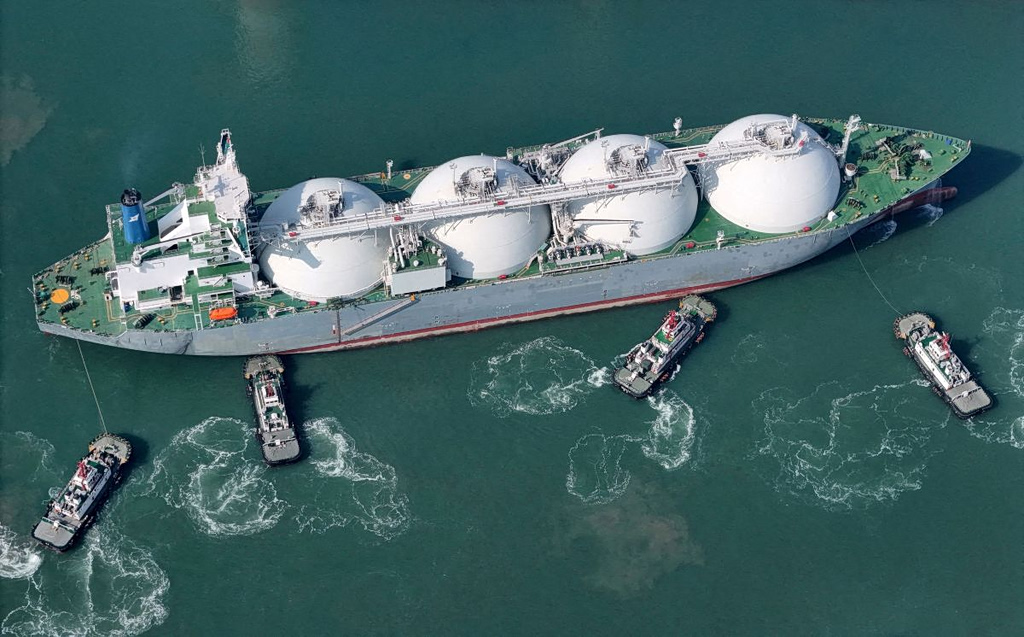
Among the immobilized ships are 112 crude oil tankers, including 70 Very Large Crude Carriers (VLCCs), representing 8% of the global VLCC fleet. In addition, 195 product tankers, 241 dry bulk carriers and 114 container ships remain stuck.
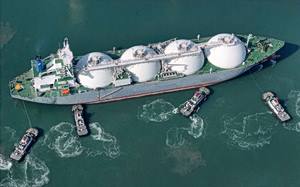
On the opposite side of the strait, 21 Very Large Gas Carriers (VLGCs) are waiting, while roughly 500 vessels are anchored outside the Gulf, primarily in ports in the United Arab Emirates and Oman.
Last weekend, Anoop Singh, head of global shipping research at Oil Brokerage, reported 56 VLCCs stranded in the Middle East Gulf, 29 of them fully laden. Eleven suezmax tankers, 23 aframax/LR2 vessels and 57 MR or handysize tankers were also said to be positioned on the western side of the strait.
The strategic importance of Hormuz is immense: about 35% of global crude oil exports, 15% of refined products, one-fifth of LNG trade, and 30% of LPG shipments transit the corridor.
Short-term LNG freight rates have surged over 20%, and VLGC earnings have climbed sharply amid rising market uncertainty. Container shipping has limited direct exposure (around 2% of global volumes), though 460 vessels totaling 3.2 million TEU are due at Gulf ports, raising diversion and congestion risks. Dry bulk exposure is similarly low at 2%.
Freight rates overall were broadly steady on Monday, but as Clarksons noted, the longer-term outlook depends heavily on developments in this critical maritime chokepoint.