 Μake us preferred on Google
 Iran has warned that any attack on its electricity infrastructure will trigger retaliation against power plants in Israel and facilities supplying electricity to U.S. bases in the region, the country’s Revolutionary Guards said on Monday.
The statement, carried by state media, clarified that earlier threats against desalination plants—critical for drinking water in Gulf nations—have been withdrawn. “The lying … U.S. President has claimed that the Revolutionary Guards intends to attack the water desalination plants and cause hardship to the people of the countries in the region,” the statement said.
“We are determined to respond to any threat at the same level as it creates in terms of deterrence … If you hit electricity, we hit electricity,” the Revolutionary Guards added, signaling a potential tit-for-tat escalation in the conflict.
The warning came after Trump set a 48-hour deadline for Tehran to fully reopen the Strait of Hormuz, a vital global shipping route. He said the United States would attack Iran’s power plants if the strait was not reopened.
Iranian military spokesman Ebrahim Zolfaqari said any such move would trigger retaliation against U.S.-linked infrastructure in the region, including energy networks, information technology systems and desalination facilities. Iranian officials warned that damage to their power grid could lead to “irreversible” destruction of key facilities across the Middle East.
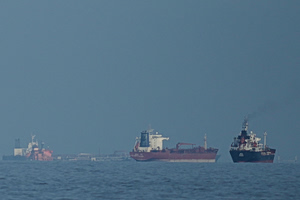
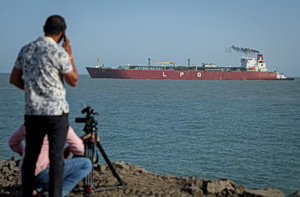
The escalating standoff has rattled global markets, with oil prices showing volatility and analysts warning of rising uncertainty. The near-closure of the Strait of Hormuz — through which roughly a fifth of global oil and liquefied natural gas typically passes — has already triggered sharp increases in energy costs.
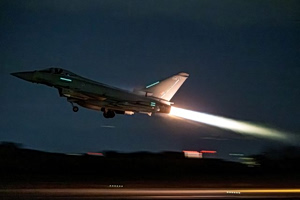
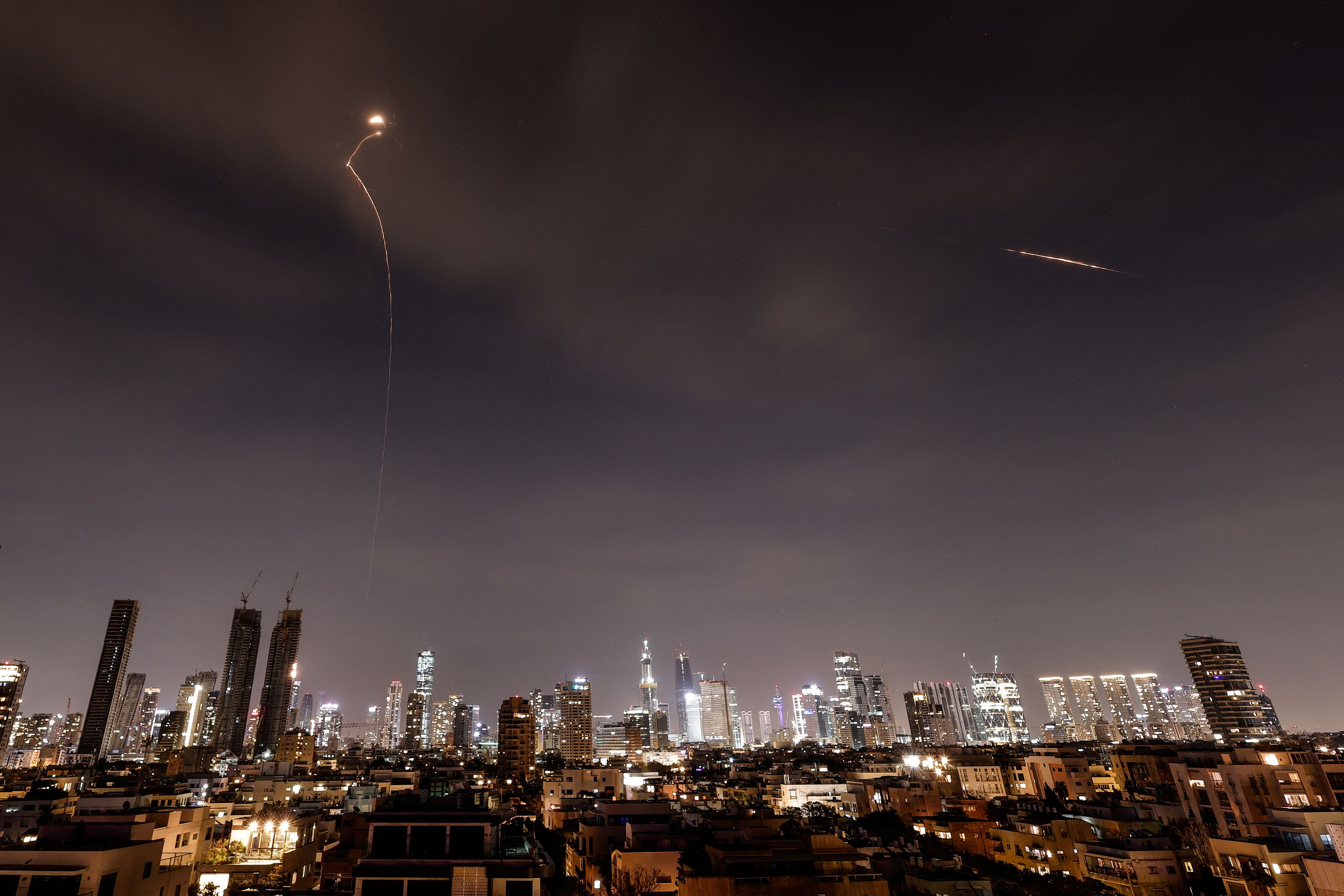
Meanwhile, fighting continues on the ground. Israel launched a new wave of strikes targeting infrastructure in Tehran, while air raid sirens sounded across parts of central and northern Israel following incoming Iranian missiles. Iranian media reported casualties, including the death of a child in a residential area in Khorramabad.
Saudi Arabia said it intercepted one of two ballistic missiles fired toward Riyadh, with the second landing in an uninhabited area.
Iran’s Revolutionary Guards warned that if its energy infrastructure were attacked, the Strait of Hormuz would be fully closed until damaged facilities were rebuilt. Iranian officials also said the waterway remains open only to ships not linked to what they described as “enemies,” with some vessels reportedly negotiating safe passage through coordination with Tehran.
The conflict, now in its fourth week, has already killed more than 2,000 people and disrupted global supply chains, fueling inflation fears and straining international alliances.