Iran was largely cut off from the outside world on Friday as authorities blacked out the internet, disrupted phone lines, and cancelled flights amid rapidly expanding anti-government protests. Supreme Leader Ayatollah Ali Khamenei addressed the nation on state television, accusing demonstrators of acting as “mercenaries for foreigners” and warning that attacks on public property would not be tolerated.
Demonstrations that began last month in Tehran over the sharp fall in the rial have now reached all 31 provinces. While the unrest has not yet matched the scale of the 2022–23 protests triggered by the death of Mahsa Amini, analysts say the current wave reflects a more profound erosion of trust between society and the ruling system.
The protests initially involved shopkeepers in Tehran’s Grand Bazaar but have expanded to include mainly young men, underscoring what observers describe as a widening generational divide. According to the U.S.-based Human Rights Activists News Agency (HRANA), at least 34 protesters and four security personnel have been killed, with around 2,200 people arrested. Reuters could not independently verify the figures.
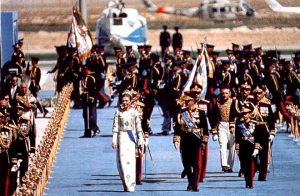
Iran experienced a nationwide internet blackout on Thursday that extended into Friday, coinciding with calls from abroad for further protests by Reza Pahlavi, the son of Iran’s last shah. Authorities have attempted a dual approach, acknowledging economic grievances while deploying security forces and tear gas in some areas amid violent confrontations.
Analysts say many protesters are frustrated not only by inflation and currency weakness but also by Iran’s broader ideological and foreign policy priorities. Demonstrators have chanted slogans criticizing Tehran’s support for militant groups abroad, while some openly reject long-standing social controls such as mandatory dress codes, which are now enforced selectively.
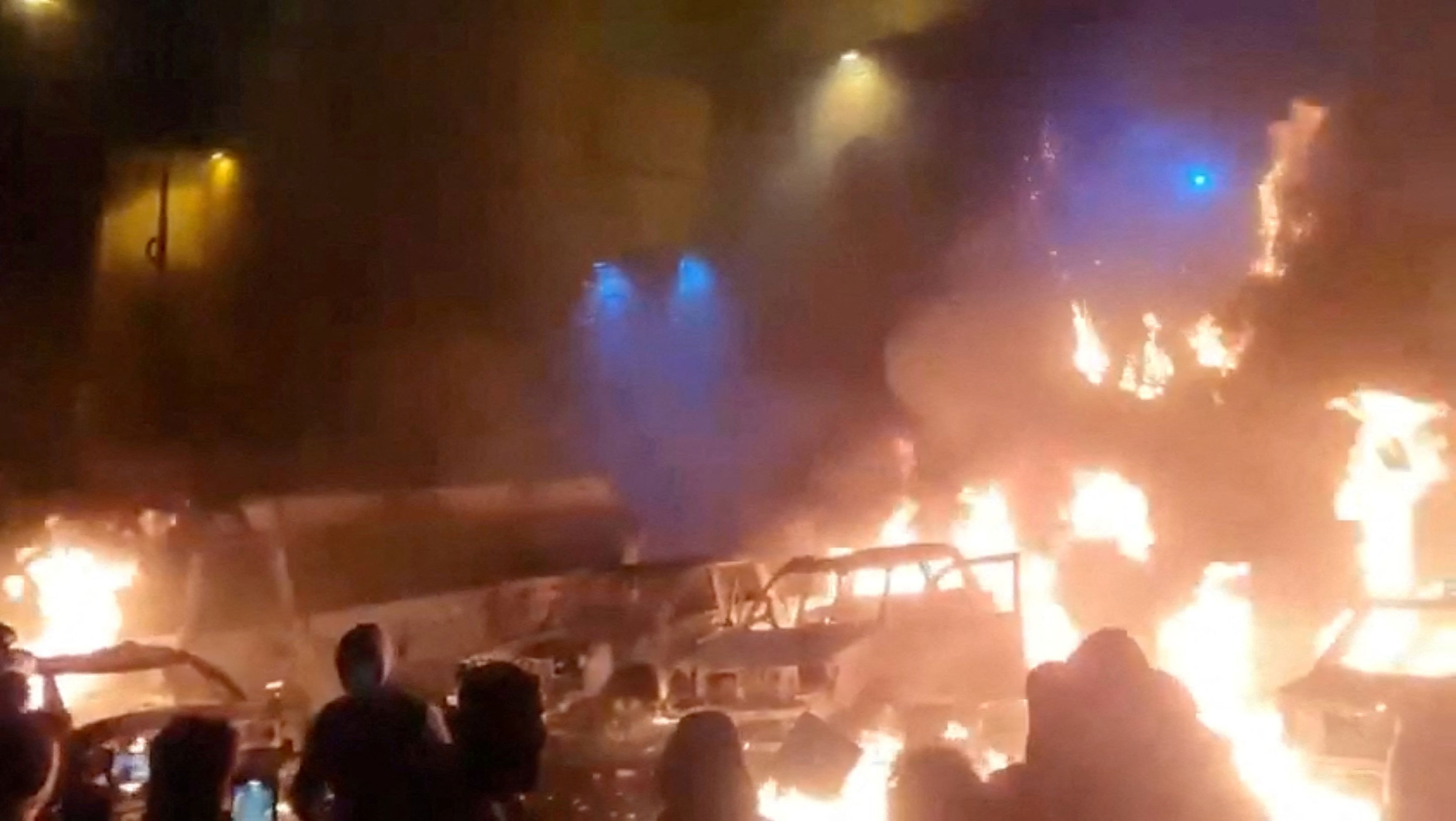
Videos verified by Reuters showed clashes with security forces in Tehran, celebratory marches in southwestern cities, and acts of defiance in other regions, including protesters tearing down a large Iranian flag in Mashhad. In some areas, young men were seen joining crowds in apparent revolts against religious authority. Images broadcast by state television showed burning buses, cars, motorbikes, and fires at metro stations and banks. Authorities blamed opposition groups, including the People’s Mujahedin Organisation (MKO), for stoking violence. Videos from Rasht described the scene as resembling a “war zone,” with widespread damage to shops.
Authorities have attempted a dual approach: framing protests over economic grievances as legitimate while condemning violent actions and deploying security forces to quell unrest. Overnight, Iran blocked internet access nationwide, leaving journalists and residents unable to communicate internationally. At least six flights between Dubai and Iranian cities were cancelled, highlighting the disruption to travel and commerce.
Experts warn that the strategy of repression combined with limited concessions may be reaching its limits. Supreme Leader Ayatollah Ali Khamenei has vowed that Iran will not “yield to the enemy,” even as foreign pressure mounts and U.S. President Donald Trump has said he might come to the aid of protesters if security forces fire on them.
Inside Iran, opinions remain divided over the prospect of foreign intervention, with many critics of the government rejecting the idea of military action. Exiled opposition figures have called for more protests, but the extent of their support within the country remains uncertain as the unrest continues to evolve.