 Μake us preferred on Google
 The Kremlin said on Thursday that it agrees with U.S. President Donald Trump’s view that Ukrainian President Volodymyr Zelenskiy is holding up a potential peace deal to end the war in Ukraine, while also stating it is still waiting for a U.S. response on extending the last remaining nuclear arms control treaty between the two countries.
Trump told Reuters this week that Russian President Vladimir Putin was ready to make a deal, but that Ukraine was “less ready.” Asked why U.S.-led negotiations had not resolved Europe’s largest land conflict since World War Two, Trump replied simply: “Zelenskiy.”
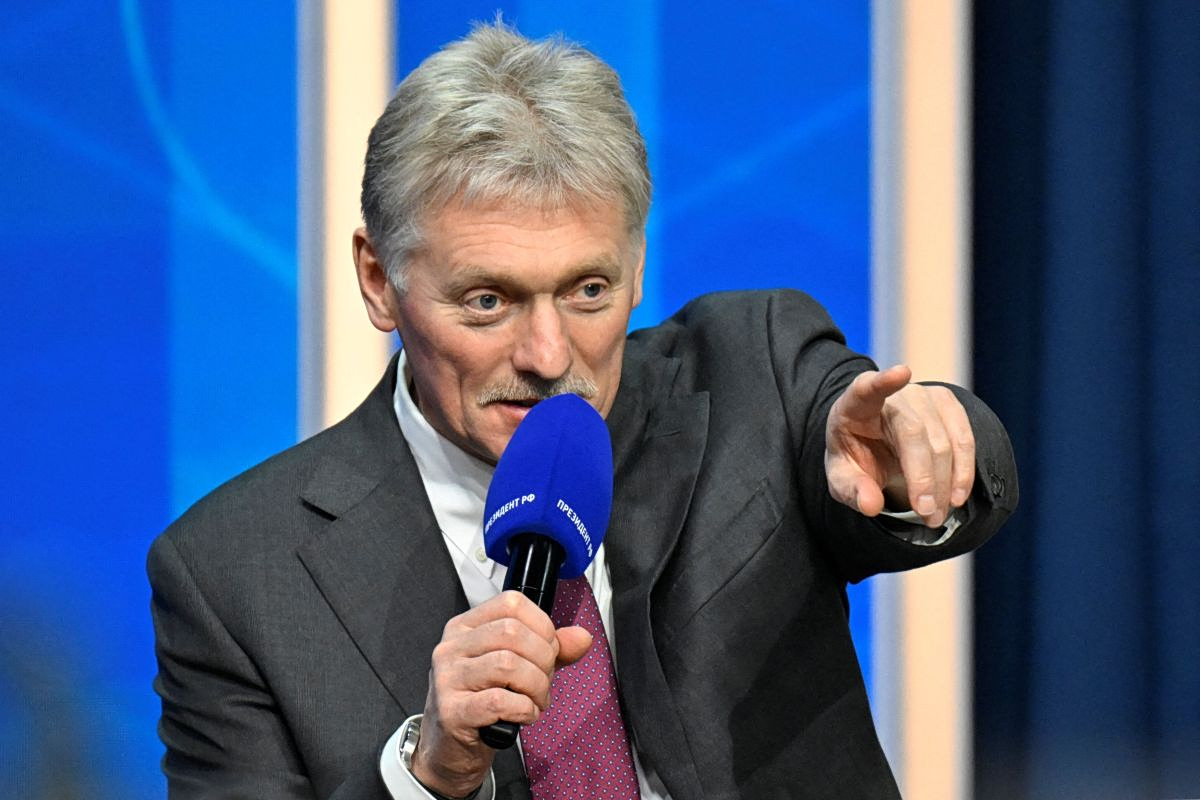
Kremlin spokesman Dmitry Peskov said he concurred with that assessment, adding that Russia remains open to talks. He said Moscow’s position was well known to U.S. negotiators, to Trump, and to Ukraine’s leadership. Trump’s comments contrast with the view of European allies, who have argued that Russia has little interest in ending the fighting and is seeking to seize more territory while avoiding further Western sanctions.
Russia currently controls about a fifth of Ukraine, including Crimea, which it annexed in 2014. Moscow has demanded that Kyiv withdraw troops from parts of the Donetsk region it claims, while Ukraine has rejected territorial concessions and wants fighting halted along current front lines. The United States has proposed a free economic zone if Ukraine pulls its troops back.
Negotiations have focused in recent weeks on security guarantees for a post-war Ukraine, though some European officials have expressed doubts that Moscow would accept certain terms. Talks were further complicated last month after Russia accused Ukraine of attempting to attack a residence of Putin, an allegation Kyiv denied. Peskov said Russia would welcome Trump envoy Steve Witkoff and Trump’s son-in-law Jared Kushner to the Kremlin for further talks once a visit date is agreed.
Separately, the Kremlin said it is still awaiting a response from Washington to Putin’s proposal to informally extend the New START nuclear arms treaty for one year. The treaty, signed in 2010 by U.S. President Barack Obama and Russian President Dmitry Medvedev, is due to expire in three weeks.
New START limits deployed strategic nuclear warheads to 1,550 on each side and caps the number of missiles and bombers used to deliver them. It is the last remaining arms control agreement from a series of treaties that have helped maintain nuclear stability between Moscow and Washington since the Cold War.
Peskov said no response has yet been received from the United States, calling the issue “very important.” Trump has said that if the treaty expires, “it expires,” and has expressed interest in replacing it with a broader agreement that would include China. Beijing has rejected that idea, saying it is unreasonable given the size of its nuclear arsenal.