
 Μake us preferred on Google
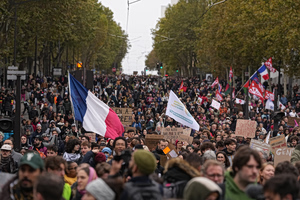
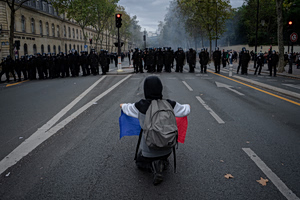
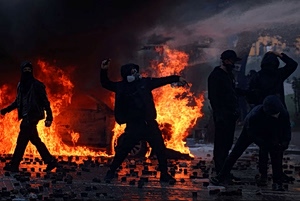
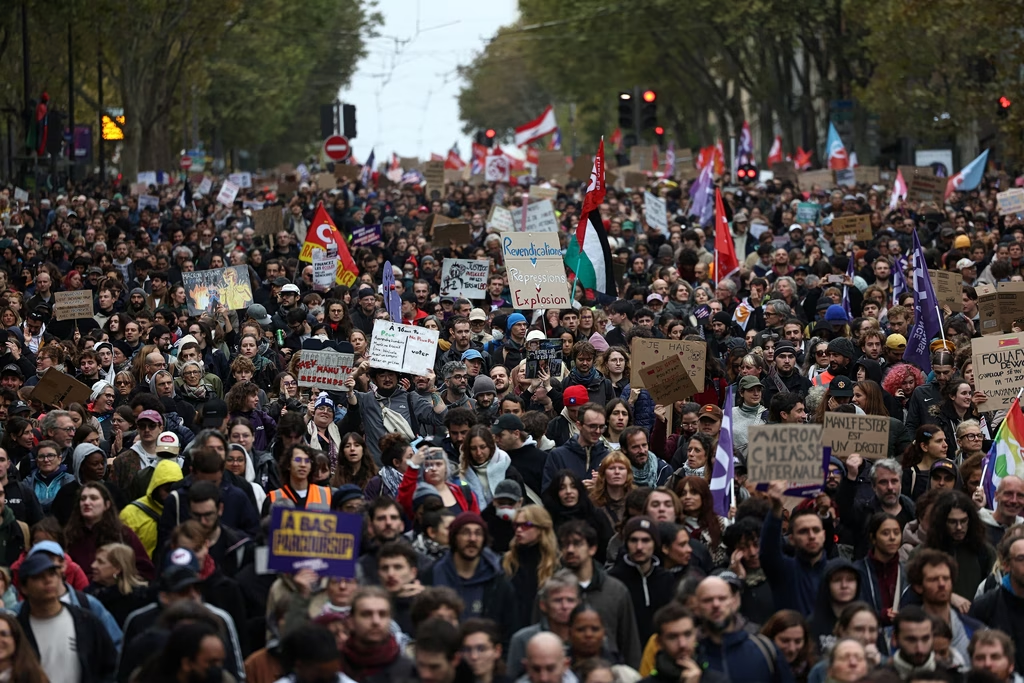
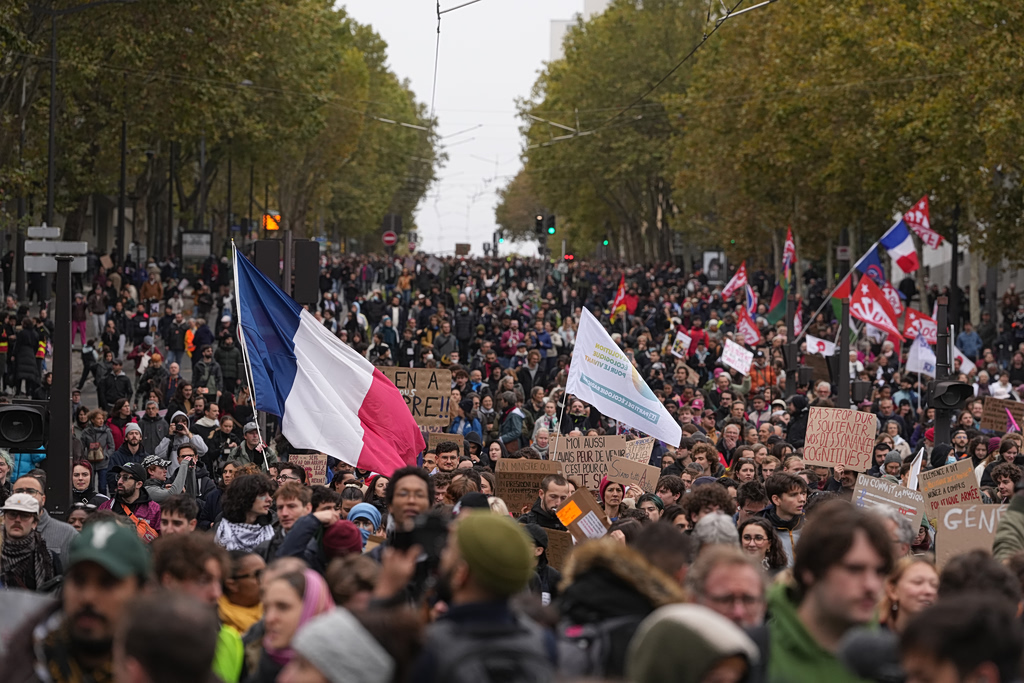
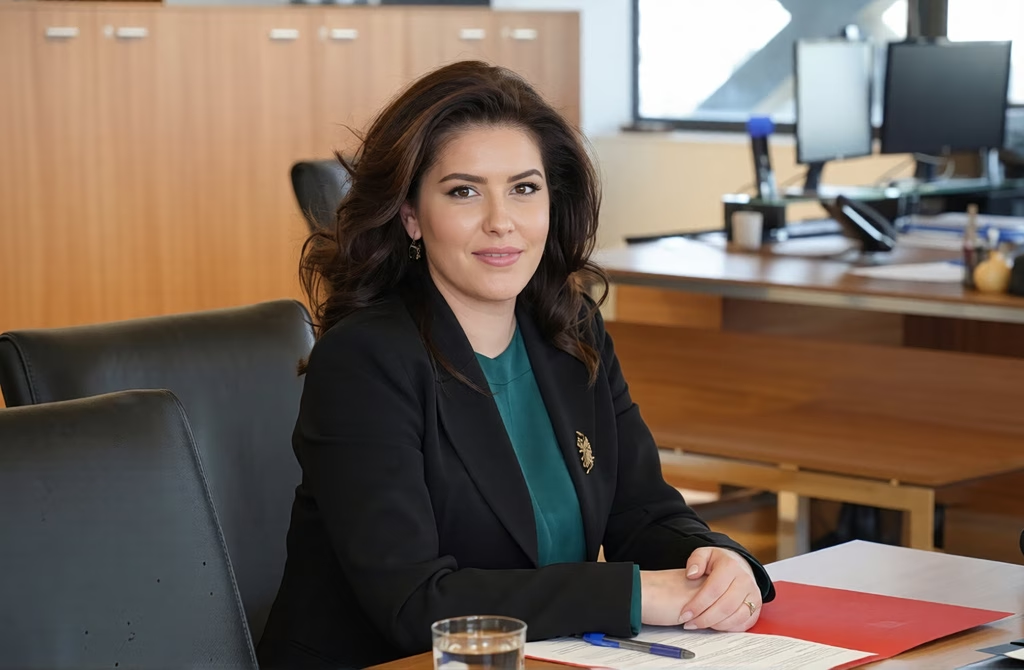
As Tirana faces an ongoing crisis marked by violent anti-government protests, chaos in the streets and a sharp escalation of political tensions, Albania’s Ambassador to Greece, Luela Hajdaraga, speaks with TA NEA about the situation in her home country, keeping Albania’s goal of joining the EU in view. She condemns the violence, stresses that the protests must remain peaceful, and notes that “domestic challenges and European ambitions should not be seen as contradictory.”
What concerns you most about the situation in Albania?
I believe every society goes through moments of tension, and what matters most is how it chooses to handle them. Having grown up in Albania during a period of profound change, I have always understood democracy not only as a system of institutions but also as a culture of listening, respect and responsibility. For me, the priority is to make sure that differences of opinion remain part of a democratic dialogue instead of becoming a source of division. Albania has made a strategic choice in favor of its European future, and that path requires patience, mutual trust and strong institutions.
Are the protesters’ demands justified, and what are the risks if the unrest continues?
I would start with a simple democratic principle: people need to feel that their voice matters. Peaceful protest is one way citizens express their expectations, and listening to those expectations is an essential part of democratic life. The challenge is to turn moments of disagreement into opportunities for better understanding, rather than letting them lead to lasting divisions. It is equally important that protests remain peaceful, because violence cannot be a solution and it risks undermining dialogue and public trust. This is especially important for younger generations, whose trust in institutions and in their own future is crucial to the country’s long-term development.
Should Greece and other neighboring countries be concerned about the situation in Albania?
I believe developments in Albania should be followed with interest and perspective, not with concern. Albania and its neighbors share an interest in regional stability and prosperity. What matters most is that challenges are addressed peacefully and through dialogue. Albania and Greece are connected by much more than geography.
Our peoples share a long history of contact, family ties and cultural exchange, as well as a future that is increasingly intertwined. During my time in Athens, I have seen how the Albanian community in Greece and the Greek minority in Albania help bring our two societies closer together. The Western Balkans are an integral part of Europe’s future, and Albania’s European path is closely linked to the stability and prosperity of the wider region. Ultimately, good neighborly relations and mutual understanding remain essential for a more peaceful and prosperous region.
What could lead to a de-escalation of the crisis? Is there anything Greece could do to help?
Over the course of my diplomatic career, I have found that even the most complex challenges become more manageable when there is a sincere willingness to understand different perspectives.
Dialogue, respect for democratic institutions and a willingness to listen can help build trust and move discussions forward. It is equally important that disagreements are expressed peacefully and that violence is avoided. As a neighbor, a friendly country and an EU member state, Greece can continue to support Albania’s European aspirations and encourage constructive dialogue and cooperation within the established European framework.
I have always believed that diplomacy is most effective when it builds bridges instead of drawing dividing lines. Our two countries have every reason to keep investing in dialogue, mutual understanding and a shared vision for a more stable and prosperous region.
Do you think the timing of these protests is a coincidence, given that Albania is on the threshold of EU membership?
I would be careful about drawing conclusions on the motives or timing of the protests without a clear basis for doing so. Every country has its own internal dynamics, which deserve to be examined in the proper context.
In my view, the European project has always been about more than borders or membership. It is about building a society where institutions are trusted, differences are respected and every citizen can look to the future with confidence. Albania’s European integration process has made significant progress, including the opening of all 33 negotiating chapters and the provisional closing of four of them.
This is an important milestone on the country’s European path. Domestic challenges and European ambitions should not be seen as contradictory. The ability to address challenges through democratic processes, peaceful dialogue and respect for the rule of law is part of what gives the European path its substance. We should remain focused on constructive progress, with confidence in Albania’s European future and in the value of continued cooperation with our partners.