
 Μake us preferred on Google
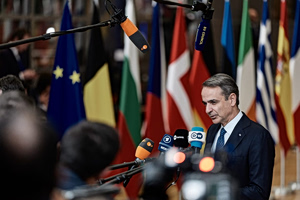
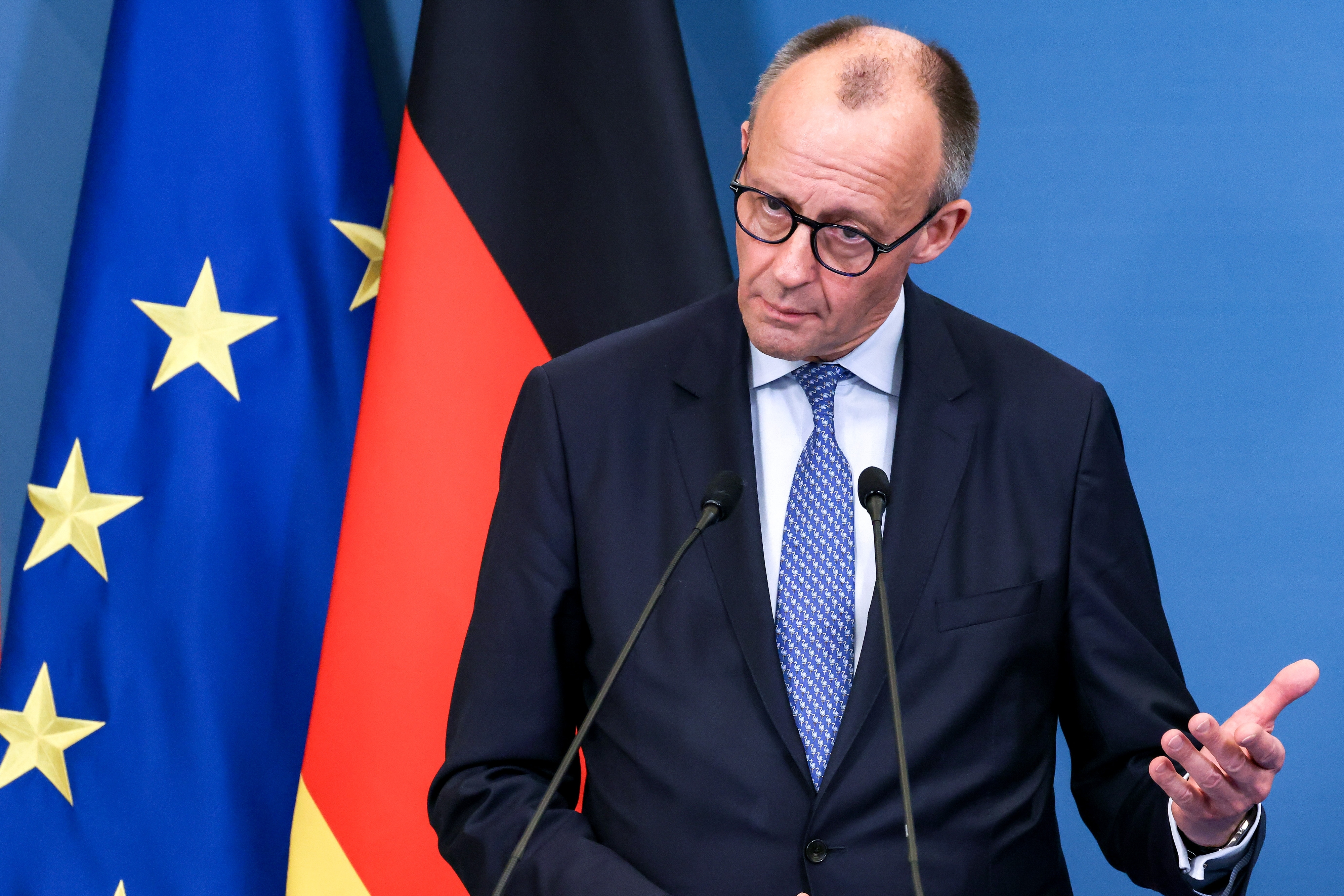
 It is urgent that European funding for Ukraine be increased next year, as Kyiv asks for additional aid for 2027, German Chancellor Friedrich Merz said in Brussels.
“We will have to increase funding once again so that we are able to truly support Ukraine in the long term,” the German chancellor said in Brussels, where the European summit is taking place.
Financial and military support for Ukraine is secured for 2026, but 2027 is expected to be difficult, with a larger budget gap than previously forecast.
The European Union has granted a 90-billion-euro loan for the 2026-2027 period, meaning 45 billion euros for next year.
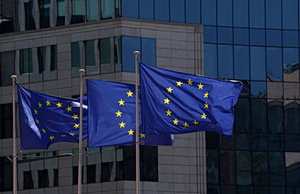
However, the amount is considered insufficient, and Europeans are looking for new ways to support Ukraine, which is at war with Russia. A first discussion on the issue will take place today and tomorrow among the 27 heads of state and government in Brussels, but no decision is expected, according to diplomatic sources.
What Merz said about Russia’s frozen assets
The idea of using the frozen assets of Russia’s central bank held in the EU was raised again, but opposition from several countries, including Belgium, continues to block an agreement on the issue, according to diplomatic sources.
The German chancellor warned today that there is no question of transferring part of these assets, which total 210 billion euros, to the United States as part of any peace plan.
“These are assets frozen in Europe, and they must remain frozen in Europe. This is our matter, and we will decide,” he added.
According to the Athens-Macedonian News Agency (ANA-MPA), Ukrainian President Volodymyr Zelensky is expected in the Belgian capital today. He will take part in the summit tomorrow morning and will meet with European officials, including NATO Secretary General Mark Rutte.
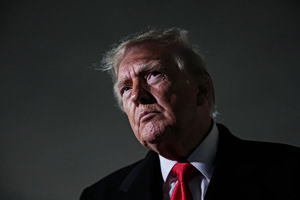
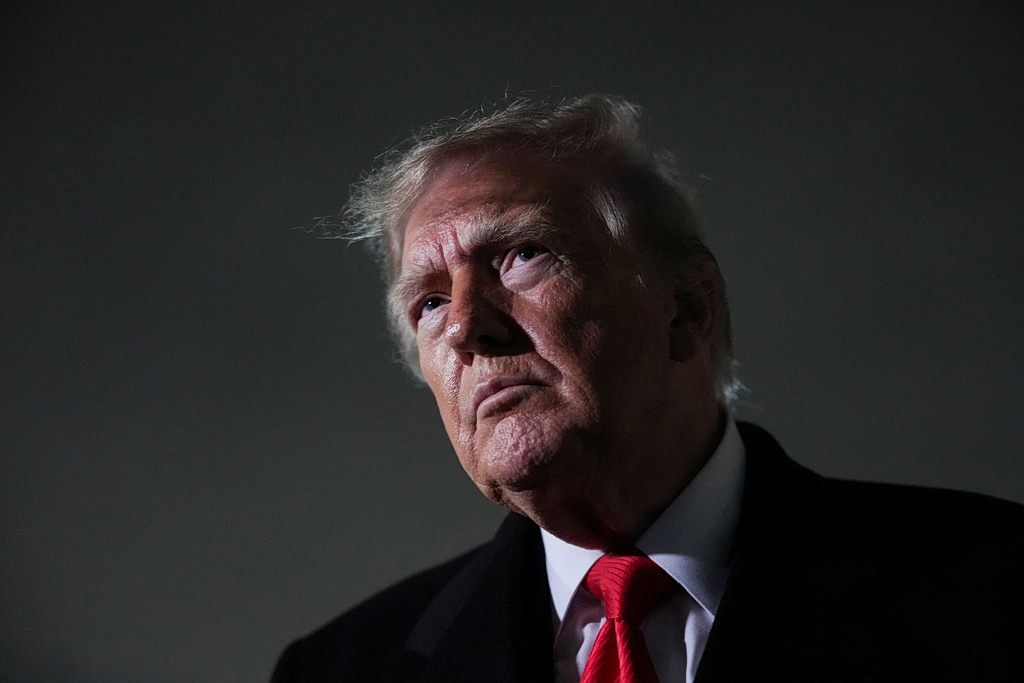
Several European leaders today backed Ukraine’s right to strike Russian energy facilities, even though Donald Trump has repeatedly asked Kyiv to stop.
“The sooner Russian refineries and their ability to sell energy turn to dust, the better,” said Estonian Prime Minister Kristen Michal.